How to Build a Luxury Home on Nantucket: Expert Tips for Success
August 14th, 2025 | by mercatus_edits | Posted in Uncategorized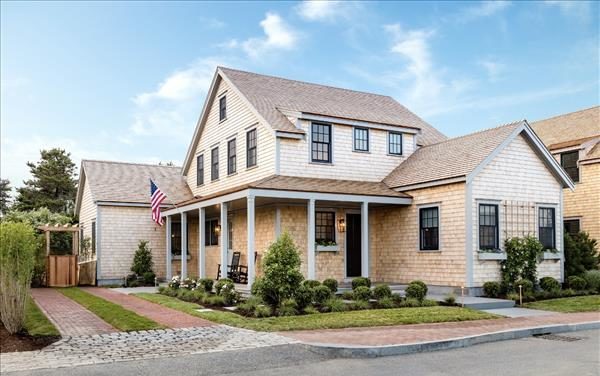
Building a luxury home on Nantucket requires more than just high-end materials and elegant design. You must navigate the island’s strict building codes, preservation standards, and zoning regulations while honoring its unique architectural heritage. Collaborating with a custom home builder Nantucket residents trust ensures your vision aligns with both modern living and the island’s timeless character.
Understanding the Nantucket permitting process for homes and working with a knowledgeable local builder like Mercatus Builders allows you to avoid common pitfalls. Your project will benefit from hands-on management that respects historical context and meets all regulatory requirements. This approach guarantees a seamless build anchored in the legacy of Nantucket’s coastal charm.
Your luxury home should reflect both your lifestyle and the island’s distinctive setting. Whether you envision a contemporary coastal retreat or a historically inspired estate, you’ll want an expert who understands Nantucket architecture styles, preservation guidelines, and local building culture. Building your home here is a process best handled by a Nantucket design-build firm deeply familiar with every facet of the island’s construction and conservation landscape.
Defining Luxury Home Design on Nantucket
Your luxury home on Nantucket should combine timeless architectural qualities, historical inspiration, and sensitivity to the island’s coastal setting. Attention to detail, local materials, and regulatory compliance shape the home’s character and functionality.
Essential Architectural Features
Luxury homes in Nantucket often feature classic gambrel or pitched roofs, wide porches, and an emphasis on symmetry. These elements reflect the island’s distinct colonial and maritime heritage, creating an authentic yet refined look.
Natural materials like cedar shingles and white trim are common. These withstand the coastal climate while maintaining visual harmony with the surrounding environment.
Inside, you’ll find open floor plans with abundant natural light, high-end finishes, and custom millwork. Energy efficiency and durable construction methods are key, especially considering Nantucket building codes focused on preservation and sustainability.
Blending Historical Charm with Modern Living
Merging Nantucket’s traditional architecture with modern amenities is central to creating a luxury home that works for you today. Restorations & new builds alike honor original craftsmanship, often preserving period details such as wide plank floors, paneled doors, and historic moldings.
At the same time, you’ll want integrated smart home technologies, updated kitchens, spa-quality baths, and flexible interior spaces for contemporary lifestyles. This blend requires skillful design that respects Nantucket’s architectural legacy while meeting modern comfort standards.
A builder experienced in Nantucket historic district renovations, like Mercatus Builders, can guide you through these decisions, ensuring your home feels authentic without sacrificing convenience.
Integrating Nantucket’s Coastal Environment
Your home’s design must respond to Nantucket’s windswept beaches, salt air, and shifting light. Elevated foundations protect against flooding, while generous windows maximize views and natural ventilation.
Landscaping with native plants supports coastal resilience and visual continuity. Outdoor living spaces—covered porches, decks, and fire pits—extend your home into the landscape thoughtfully.
Durability matters: weather-resistant siding, corrosion-free hardware, and protective finishes are essential for long-term maintenance. Tailoring your design to Nantucket’s unique coastal environment ensures a home that performs well and ages gracefully.
Schedule a consultation to start your Nantucket build and align your vision with the island’s building codes and conservation priorities.
Planning Your Dream Home: Layout and Lifestyle
Creating a luxury home on Nantucket means balancing elegant design with practical spaces tailored to your lifestyle. Thoughtful planning ensures your home feels expansive yet intimate, supports daily routines, and embraces the island’s unique character.
Optimizing Spacious Living Areas
Spacious living rooms become the heart of your Nantucket home, designed to welcome natural light and ocean breezes. Prioritize open floor plans that connect living, dining, and outdoor spaces to enhance flow and encourage social gathering.
Use floor-to-ceiling windows or French doors to frame views and extend sightlines to decks or gardens. High ceilings paired with traditional trim molding reflect Nantucket’s architectural heritage while increasing the sense of space.
Consider built-in storage and versatile seating to keep rooms uncluttered and adaptable. Mercer Builders emphasizes these elements to marry functionality with refined aesthetics while staying compliant with Nantucket building codes.
Designing Gourmet Kitchens
Your kitchen should be both a culinary workspace and a social hub. Choose spacious layouts with large islands, high-end appliances, and custom millwork that respect Nantucket’s coastal charm.
Incorporate durable surfaces like quartz or soapstone and include features such as double ovens, warming drawers, and wine refrigerators. Thoughtful lighting—task, ambient, and accent—improves both functionality and mood.
A well-planned kitchen supports entertaining and everyday living, with easy access to dining spaces and outdoor patios. With Nantucket’s seasonal lifestyle in mind, Mercatus Builders ensures kitchen design blends modern convenience with historic refinement.
Adding Versatile Home Office Spaces
A dedicated home office is essential in today’s lifestyle, especially when your Nantucket home functions as both retreat and workspace. Your office should offer privacy but remain connected to the home’s main flow.
Focus on natural lighting, comfortable built-in desks, and plenty of storage for files and technology. Soundproofing and ergonomic layout help sustain productivity while respecting the tranquility of your surroundings.
Flexible designs allow this space to evolve—doubling as a guest room or library if needed. Planning your home office with a Nantucket design-build firm assures that your workspace reflects both your professional needs and the island’s architectural integrity.
Incorporating Modern Amenities and Smart Technology
Your Nantucket luxury home should combine timeless elegance with the latest comforts and innovations. Carefully selected features will enhance daily living, while smart technology offers seamless control and connection. This blend ensures both convenience and sustainability without compromising the island’s architectural heritage.
Top Must-Have Features for Comfort
Begin with spa-like bathrooms featuring automated lighting and humidity control for a calming environment. Kitchens benefit from high-end, energy-efficient appliances and layouts designed for both functionality and socializing.
Multi-room audio systems and advanced climate control bring luxury to every space. Consider integrated lighting schemes that adapt to varying moods and natural daylight.
Security is essential on Nantucket; install discreet yet effective options such as smart locks and surveillance cameras designed to blend with your home’s aesthetic.
Smart Home Integration
Smart technology should be woven into your home’s design from the start. This allows for centralized control of lighting, climate, security, and entertainment systems.
You can manage settings remotely via smartphone, making your home accessible and responsive even when you’re away. Voice-activated systems improve ease of use, reducing the need for multiple remotes or switches.
Mercatus Builders understands how to tailor these systems to fit Nantucket’s historic district restrictions without drawing unwanted attention, ensuring your home remains elegant while technologically advanced.
Energy Efficiency and Sustainability
Energy-conscious design is critical for long-term value and compliance with local regulations. Incorporate solar panels where allowed, alongside high-performance insulation and windows that respect Nantucket’s aesthetic standards.
Smart thermostats and sensors optimize energy use by adjusting temperature based on occupancy and time of day. Low-flow fixtures and water-efficient landscaping help conserve resources without sacrificing style.
Partnering with experienced coastal home builders in Massachusetts ensures your project meets energy codes and preservation guidelines, striking a balance between modern living and the island’s natural environment.
Choosing Materials and Finishes for a Nantucket Estate
Your choice of materials and finishes will shape both the durability and the aesthetic of your Nantucket estate. Attention to quality and authenticity supports lasting beauty and complies with strict local building codes and design standards. Thoughtful selections also help integrate your home seamlessly with the island’s coastal environment.
Selecting Quality Exterior Materials
When building on Nantucket, durability against harsh weather is paramount. You should prioritize materials like cedar shingles, which offer natural resistance to salt air and wind while honoring traditional Nantucket architecture. Stone foundations and accents not only enhance resilience but also evoke the island’s historic charm.
Consider painted wood trim in muted, weather-resistant finishes that adhere to Nantucket Historic District Commission guidelines. Metal roofing with a standing seam profile combines longevity with a classic coastal look. Your exterior material choices must balance maintenance ease with a refined, authentic appearance to respect both your investment and the island’s aesthetic legacy.
Luxury Interior Finishes
Inside your Nantucket home, select finishes that convey both elegance and comfort. Hardwood floors in warm, natural tones provide timeless appeal and durability suitable for coastal living. Use custom millwork and cabinetry crafted from quality materials to enhance character and function.
Stone or marble countertops give kitchens and bathrooms a sophisticated, durable surface. Texture and finishes in natural fabrics and neutral palettes complement the understated elegance typical of Nantucket interiors. Work closely with your builder to source artisanal touches that reflect the island’s artisanal heritage and your lifestyle needs.
Blending Indoor and Outdoor Spaces
Your luxury Nantucket estate should flow effortlessly between interior and exterior spaces. Large, energy-efficient windows allow natural light and capture views while maintaining thermal control. Consider wide porches and patios constructed with sustainable, weather-resistant decking that invites outdoor living year-round.
Creating seamless transitions involves choosing finishes that complement both areas—like natural stone floors that extend from indoor kitchens to outdoor terraces. Thoughtful landscaping using native plants further anchors your home in its coastal setting, enhancing privacy while respecting Nantucket’s environmental guidelines. This harmony between inside and outside ensures your home remains a tranquil retreat and a statement of refined coastal living.
Schedule a consultation with Mercatus Builders to bring your vision of a Nantucket estate to life, balancing timeless materials with modern luxury.
Navigating Building Logistics on the Island
Building a luxury home on Nantucket requires careful coordination of materials, labor, and compliance with detailed local standards. You will need to address island-specific challenges such as shipping logistics and permit complexities that directly affect your project timeline and costs.
Working with Nantucket Builders
Local builders bring valuable expertise about material sourcing and managing island-specific constraints. Since Nantucket lacks bridge access, all construction materials and equipment must be ferried or shipped, which increases lead times and transportation costs.
When working with a Nantucket custom home builder, you benefit from their established relationships with local suppliers and experienced subcontractors. This local knowledge helps streamline scheduling and reduces unexpected delays.
Choose a builder familiar with Nantucket’s climate, soil conditions, and architectural traditions. For example, Mercatus Builders offers deep insights into maintaining the island’s historic character while integrating modern systems. Their hands-on project management can help mitigate logistical hurdles unique to the island environment.
Understanding Local Regulations and Permits
Nantucket’s building codes and zoning regulations are stringent, especially within historic districts and conservation areas. You must navigate approvals from multiple municipal boards, including those focused on preservation and environmental protection.
Key regulations often include:
- Height restrictions aligned with island aesthetics
- Material usage limits to preserve historic integrity
- Setback and footprint rules to protect natural landscapes
The permitting process for Nantucket homes can be time-intensive. Planning ahead by consulting with a Nantucket design-build firm helps ensure your permits align with local expectations and avoid costly revisions. Documentation needs often require detailed architectural plans reflecting Nantucket architecture styles and sustainability measures.
Being proactive about compliance prevents construction delays and aligns your project with the island’s vision for thoughtful growth. Schedule a consultation to start your Nantucket build with clear permitting guidance.
Personalizing Your Luxury Home Experience
Your luxury home should serve your lifestyle while respecting Nantucket’s unique environment and architectural heritage. Thoughtful customization and strategic design choices allow you to balance personal expression with lasting value.
Custom Features and Flexible Spaces
Incorporate custom features that meet your specific needs without compromising Nantucket’s historic character. Consider built-ins crafted from locally sourced wood, or timeless hardware that blends seamlessly with traditional elements.
Flexible spaces add functionality without expanding the footprint. For example, a study that converts to a guest room or a mudroom designed for shore gear storage supports island living.
Smart home technologies can be subtly integrated to enhance comfort and efficiency without overpowering classic aesthetics. Work with a Nantucket design-build firm to ensure these details comply with local codes.
Maximizing Resale Value
When personalizing, prioritize quality materials and timeless design to protect your home’s market value. Use finishes and color palettes that reflect Nantucket’s coastal vernacular.
Consult with your custom home builder Nantucket on features likely to appeal to future buyers, such as durable stone terraces or energy-efficient systems that respect conservation regulations.
Avoid overly trendy elements that may date quickly. Instead, focus on authentic craftsmanship and architectural integrity to ensure your home remains desirable in the long term.
Schedule a consultation with Mercatus Builders to tailor your luxury home with an eye on both personal enjoyment and lasting investment.
Frequently Asked Questions
Building a luxury home on Nantucket requires attention to local regulations, architectural traditions, and environmental factors. You need expert guidance to manage costs, timelines, and zoning while ensuring your home reflects the island’s distinctive character.
What are the key considerations when selecting a builder for a luxury home on Nantucket?
Choose a builder with deep experience in Nantucket’s unique building codes and preservation requirements. Look for a company that offers hands-on project management and respects the island’s architectural heritage.
Ensure they have a proven track record with both custom homes and historic renovations, blending craftsmanship with compliance.
What architectural styles are most prevalent for luxury homes on Nantucket?
Traditional Nantucket styles often include shingle-style cottages, Colonial, and Greek Revival influences. These emphasize natural materials, symmetrical lines, and coastal resilience.
Modern luxury homes may incorporate contemporary elements but still honor local design principles that suit the island’s environment and historic district.
How does one navigate zoning laws and building regulations on Nantucket for new construction?
You must carefully review Nantucket zoning bylaws, especially if your property lies within a historic district or conservation area. Permitting is detailed and requires coordination with town planners and conservation commissions.
Working with a builder familiar with the permitting process for Nantucket homes will help streamline approvals and avoid costly delays.
What are the typical construction timelines for building a high-end residence on Nantucket?
Building a luxury home usually takes between 12 to 18 months, depending on design complexity, permitting, and materials availability. Seasonal weather can affect scheduling, so plan accordingly.
Early engagement with your builder ensures smoother coordination with subcontractors and inspectors throughout the process.
What are the average cost benchmarks for luxury home construction on Nantucket?
Expect costs to range between $400 and $600 per square foot on average, influenced heavily by design choices, site conditions, and material selections. Coastal-grade and sustainable materials can increase budgets but add long-term value.
Mercatus Builders carefully balances quality with cost transparency to help you plan realistically for your project’s scope. Additional details can be found in their guide to custom home construction cost in Nantucket.
How do seasonal weather patterns on Nantucket influence the home building process?
Nantucket’s winter weather and occasional storms limit outdoor work from late fall through early spring. Most construction advances rapidly during mild months.
Planning construction phases around these seasonal windows minimizes weather-related risks and preserves the integrity of building materials.