Historic House Restoration in Nantucket: Essential Techniques and Best Practices
July 22nd, 2025 | by mercatus_edits | Posted in Uncategorized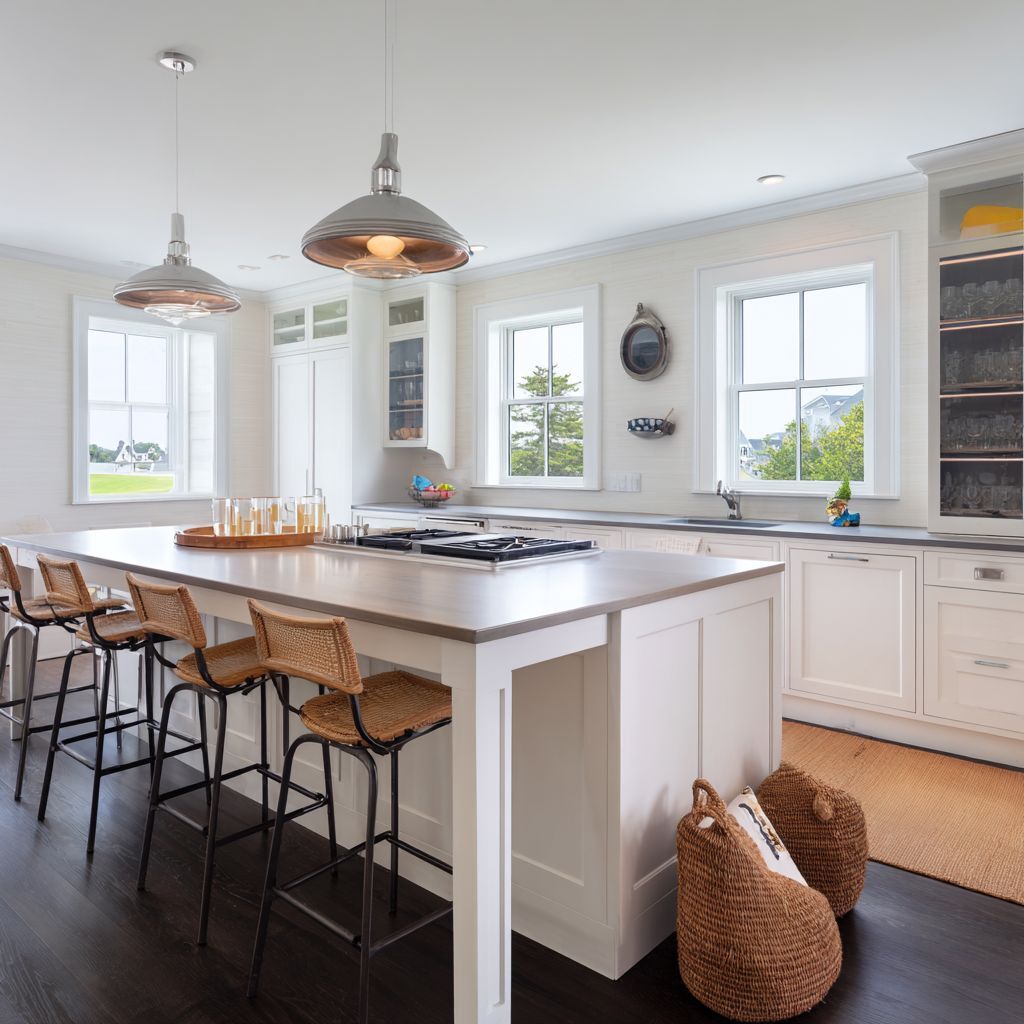
Restoring a historic house on Nantucket is a unique endeavor that requires careful attention to both craftsmanship and compliance with local regulations. To successfully preserve the character of your Nantucket home, you must balance respect for its architectural heritage with the demands of modern living and strict historic district guidelines. Understanding this balance is key to achieving a restoration that honors the past while providing comfort for today.
Your project will involve navigating Nantucket’s zoning rules, historic district commissions, and building codes, all of which are designed to protect the island’s distinctive charm and legacy. Working with a Nantucket design-build firm like Mercatus Builders, which specializes in historical home restoration, ensures that every detail aligns with these standards while reflecting your personal vision and lifestyle.
Whether you own a weathered cottage or a larger estate, restoration is a tailored process that benefits from expert guidance and hands-on management from permitting through completion. With a focus on refined craftsmanship rooted in local tradition, Mercatus Builders helps you bring your historic property back to life, maintaining its timeless appeal for generations to come.
Understanding Nantucket’s Historic Homes
Nantucket’s historic homes reflect distinct architectural eras, unique elements, and a deep connection to the island’s maritime past. Restoring or maintaining one means honoring craftsmanship, preservation laws, and community identity embedded within these structures.
Architectural Styles and Key Periods
Nantucket homes primarily showcase styles from the 18th and 19th centuries, shaped by the island’s whaling prosperity. The Federal Style (circa 1780-1820) is common, featuring symmetrical facades, narrow windows, and classical details.
You’ll also encounter the Greek Revival style with its bold cornices and pilasters, popular in the early to mid-1800s.
Most homes use local timber and wood shingles, typical of Cape Cod vernacular architecture. These modest forms are highly practical, designed to withstand coastal weather while reflecting the island’s historical character.
Knowing these periods helps you identify original features versus later alterations when planning restoration with Mercatus Builders.
Significant Architectural Elements
Nantucket houses contain specific elements that define their historic value and charm:
- Mortgage buttons: Small wooden discs embedded near doorways that signified loan repayment
- Central chimneys: Often large, serving multiple rooms and aligning with colonial heating needs
- Wide plank floors and hand-hewn beams: Indicate early construction techniques
- Wood shingle siding: Both weather-resistant and aesthetic, this remains a hallmark of Nantucket architecture
Such details are crucial when restoring a home to maintain authenticity. Incorporating these features without compromising local zoning or Nantucket historic district restrictions requires specialized knowledge, which Mercatus Builders provides.
Cultural and Community Heritage
Your Nantucket historic house is more than a structure; it’s a vessel of the island’s cultural heritage.
Many homes belonged to whaling captains and artisans, mirroring the community’s economic and social fabric. The preservation of these residences sustains Nantucket’s identity as a national historic landmark and reinforces local pride.
By respecting this community heritage during restoration, you ensure that Nantucket’s architectural treasures continue to tell the stories of those who shaped the island’s legacy. Engaging with local preservation guidelines safeguards this heritage for future generations while adapting your home for modern living.
Key Principles of Historic House Restoration in Nantucket
Restoring a historic home on Nantucket demands careful attention to design, materials, and compliance with local codes. Success depends on maintaining original elements, employing skilled craftsmanship, and integrating modern comforts without compromising the home’s historical integrity.
Preserving Original Features
You must prioritize retaining as many original historic elements as possible. This includes architectural details like woodwork, moldings, wide-plank flooring, and especially historic windows, which contribute significantly to a home’s character. Careful maintenance prevents unnecessary replacement and preserves authenticity.
Nantucket’s Historic District Commission mandates that restorations respect the period style. For example, replacing windows should only be done with materials that replicate the original design, avoiding modern vinyl when possible. Keeping original siding, doors, and trim intact supports the home’s story and resale value.
Restoration begins with thorough documentation of the existing conditions. Mercatus Builders emphasizes detailed assessments to identify which features require repair rather than replacement, helping maintain the home’s legacy while ensuring longevity.
Skilled Craftsmanship and Materials
Quality craftsmanship is essential for successful restoration. You want tradespeople familiar with historic building techniques and materials to properly repair or reproduce features with precision. Using authentic or compatible materials allows the structure to perform as originally intended.
In Nantucket’s coastal environment, wood species, joinery, and finishes must withstand weather and salt air. Choosing period-appropriate lumber, hand-forged hardware, and traditional paint colors reflects the home’s era while offering durability.
Mercatus Builders specializes in connecting you with artisans knowledgeable in historic methods, ensuring that every repair or addition blends seamlessly. Skilled craftsmanship also helps navigate Nantucket building codes and preservation guidelines, reducing setbacks and preserving the home’s integrity.
Balancing Modern Living with Historical Integrity
Updating your historic Nantucket home for today’s lifestyle requires careful balance. You can incorporate energy-efficient windows designed to match historic profiles, improving comfort without altering appearances. Modern HVAC, electrical systems, and insulation upgrades can be discreetly integrated.
You should plan these upgrades to minimize disturbance of original materials. For example, placing new wiring through existing cavities or behind period finishes protects woodwork and plaster. Thoughtful design ensures that functional needs like kitchens and bathrooms evolve without sacrificing historical charm.
By maintaining this balance, your home will provide modern convenience while remaining true to Nantucket’s architectural heritage—an approach that values both legacy and livability.
Navigating Historic District and Regulatory Guidelines
Restoring a historic house on Nantucket requires you to carefully follow local regulations designed to maintain the island’s architectural heritage. You will need to work closely with regulatory bodies and tap into trusted preservation resources to ensure your project aligns with established standards.
Nantucket Historic District Overview
The Nantucket Historic District covers the island’s National Historic Landmark area, where architectural character is strictly protected. Any exterior changes to properties within this district require adherence to detailed guidelines meant to preserve historic authenticity.
Your project will be subject to rules about materials, rooflines, windows, and more. These standards help safeguard Nantucket’s unique charm and prevent incongruent alterations. Understanding this district’s boundaries and requirements is a crucial first step before planning any restoration or new construction.
Role of the Historic District Commission
The Nantucket Historic District Commission (HDC) is the key regulatory body overseeing all exterior modifications within the historic district. You must obtain their approval before erecting, altering, or restoring any building’s exterior.
The HDC reviews plans to ensure they comply with preservation laws, focusing on maintaining the island’s traditional aesthetics. They assess things like design, scale, and materials, balancing historical fidelity with practical modern needs. Early engagement with the HDC can streamline your permitting process and avoid costly revisions.
Historic Preservation Trust and Local Resources
In addition to the HDC, the Nantucket Preservation Trust offers valuable guidance for historic restoration projects. They provide resources on best practices and connect you with experts familiar with local architectural history and conservation requirements.
When navigating these regulations, working with a local expert like Mercatus Builders can be invaluable. They bring hands-on experience with Nantucket building codes and historic home restoration, helping you meet both preservation standards and your lifestyle goals efficiently.
Use available resources and connect with local authorities early in your project to ensure a smooth approval process and a restoration that honors Nantucket’s enduring legacy.
Planning and Executing a Restoration Project
Successful restoration begins with a detailed understanding of your home’s current condition and historical significance. Careful selection of professionals and the right materials are crucial to preserving authenticity while meeting Nantucket’s strict regulations.
Assessing Historic Value and Condition
Start by evaluating your property’s historic features and overall state. Identify original architectural details, materials, and any alterations from different periods. This will guide decisions on what to preserve versus restore or replace.
A thorough condition assessment includes checking for structural issues, water damage, and material decay. Documenting these findings helps you prioritize repairs and understand the scope of work.
This process benefits from consulting with preservation specialists familiar with Nantucket architecture. Their expertise ensures your restoration honors the home’s heritage while complying with local standards.
Hiring Architects, Builders, and Specialists
Choose professionals experienced in Nantucket historic district renovations. Your architect should have a strong grasp of Nantucket architecture styles and zoning requirements to design solutions that respect the past and present.
Select a builder like Mercatus Builders who brings craftsmanship aligned with local conservation regulations and can manage the permitting process for Nantucket homes. Their hands-on approach helps smooth construction and keeps restoration focused on quality and authenticity.
Specialists such as structural engineers, historic preservation consultants, and craftsmen skilled in period materials are often necessary. Their involvement ensures every element— from foundation to finishes—meets exacting standards.
Sourcing Appropriate Materials
Maintaining historical accuracy requires sourcing materials that closely match originals in appearance and composition. Salvaged wood, reclaimed bricks, and traditional lime-based mortars are common.
Where exact matches are impossible, choose modern alternatives that replicate look and durability without compromising integrity. This blending protects the home while allowing necessary updates.
Mercatus Builders can advise on local suppliers and custom fabrication to achieve authentic results. Balancing old and new materials preserves your home’s character and adapts it gracefully for contemporary use.
Challenges and Modern Solutions in Historic Home Restoration
Restoring a historic home on Nantucket demands careful attention to unique environmental pressures and architectural details. You must balance preserving original character with integrating modern performance and longevity. This involves overcoming coastal exposure, upgrading historic windows efficiently, and planning sustainable maintenance.
Addressing Coastal and Environmental Factors
Nantucket’s coastal environment subjects historic homes to harsh winds, salt spray, and fluctuating humidity. These elements accelerate wood rot, metal corrosion, and exterior finish deterioration. You must select materials and methods that withstand these specific conditions while respecting the home’s original fabric.
Proper ventilation and moisture management are critical. Using vapor-permeable paints and corrosion-resistant fasteners helps preserve integrity. Thoughtful site planning to control drainage and protect foundations is essential for long-term stability.
As a Nantucket design-build firm, Mercatus Builders uses specialized products and techniques tailored to these challenges, ensuring historic character endures despite the island’s demanding climate.
Restoring and Upgrading Windows
Historic windows are defining features but often face issues with air leakage and energy inefficiency. Restoration should retain original frames and muntins while improving thermal performance.
You can upgrade windows by:
- Refurbishing existing sash and frames
- Installing weatherstripping to reduce drafts
- Adding interior storm windows to improve insulation without altering exterior appearance
Replacing windows should be a last resort, as modern units rarely match historic profiles. Prioritize repair techniques that maintain the original woodwork, craftsmanship, and design. This approach meets Nantucket historic district renovations standards and enhances comfort without compromising authenticity.
Ensuring Long-Term Maintenance
Maintaining a historic home requires a proactive, ongoing strategy. Regular inspections will catch early signs of moisture intrusion, structural wear, or finish failure. Establishing a maintenance schedule that includes periodic repainting, caulking, and wood preservation protects your investment.
Consider creating a maintenance log detailing:
- Seasonal upkeep tasks
- Key material lifespan expectations
- Contact information for experienced preservation contractors
Mercatus Builders recommends planning for preservation as a continuous process, not a one-time effort. This ensures your Nantucket historic home remains structurally sound and visually true to its past, while minimizing costly repairs.
Frequently Asked Questions
Restoring a historic house on Nantucket requires attention to architectural authenticity, local regulations, appropriate materials, and integrating modern needs carefully. Understanding these elements will help you protect your home’s legacy while ensuring long-term functionality and compliance.
What are the best practices for preserving the integrity of historical architecture in Nantucket?
Maintain original design features such as trim, siding, and window patterns whenever possible. Use documentation or house histories to guide restoration decisions.
Focus on repairing rather than replacing historic materials to retain character. Regular maintenance is critical to prevent deterioration of wood, masonry, and roofing.
How does one navigate the local regulations for restoring a historic home in Nantucket?
You must work closely with the Nantucket Historic District Commission (HDC) to secure approvals. Early engagement with the HDC streamlines the permitting process.
Familiarize yourself with Nantucket building codes, zoning rules, and preservation guidelines. A local expert builder like Mercatus Builders can help manage compliance and paperwork efficiently.
What materials are recommended for authentic period-appropriate restoration work?
Use materials consistent with 18th and 19th-century Nantucket architecture—wood clapboards, historically accurate roofing shingles, and traditional window glass.
Avoid modern synthetic substitutes that alter appearance or performance. Salvaged or reclaimed materials supplemented by custom-milled wood can maintain authenticity.
Who are the trusted professionals or firms specialized in Nantucket historic house restoration?
Engage builders experienced in Nantucket historical home restoration with a strong local track record. Choose firms that combine craftsmanship with knowledge of preservation standards.
Mercatus Builders exemplifies this approach by delivering projects that respect Nantucket’s architectural heritage while integrating modern building technology.
Can modern amenities be integrated into a historic Nantucket home without compromising its heritage?
Yes, you can include modern systems like heating, cooling, and smart technology discreetly. Effective integration preserves the historical character while enhancing comfort.
Work with specialists who understand how to conceal wiring and ductwork and respect historic finishes. Thoughtful design ensures the home remains true to its origins.
What funding or grants are available for homeowners restoring historic properties in Nantucket?
There are local and state grants that support preservation efforts. Eligibility often requires adherence to specific restoration standards and review by preservation agencies.
Consult the Nantucket Preservation Trust and relevant municipal programs. Your builder or restoration consultant can help identify and apply for available financial assistance.