Building a Vacation Home in Cape Cod: Essential Tips for a Seamless Process
August 16th, 2025 | by mercatus_edits | Posted in Uncategorized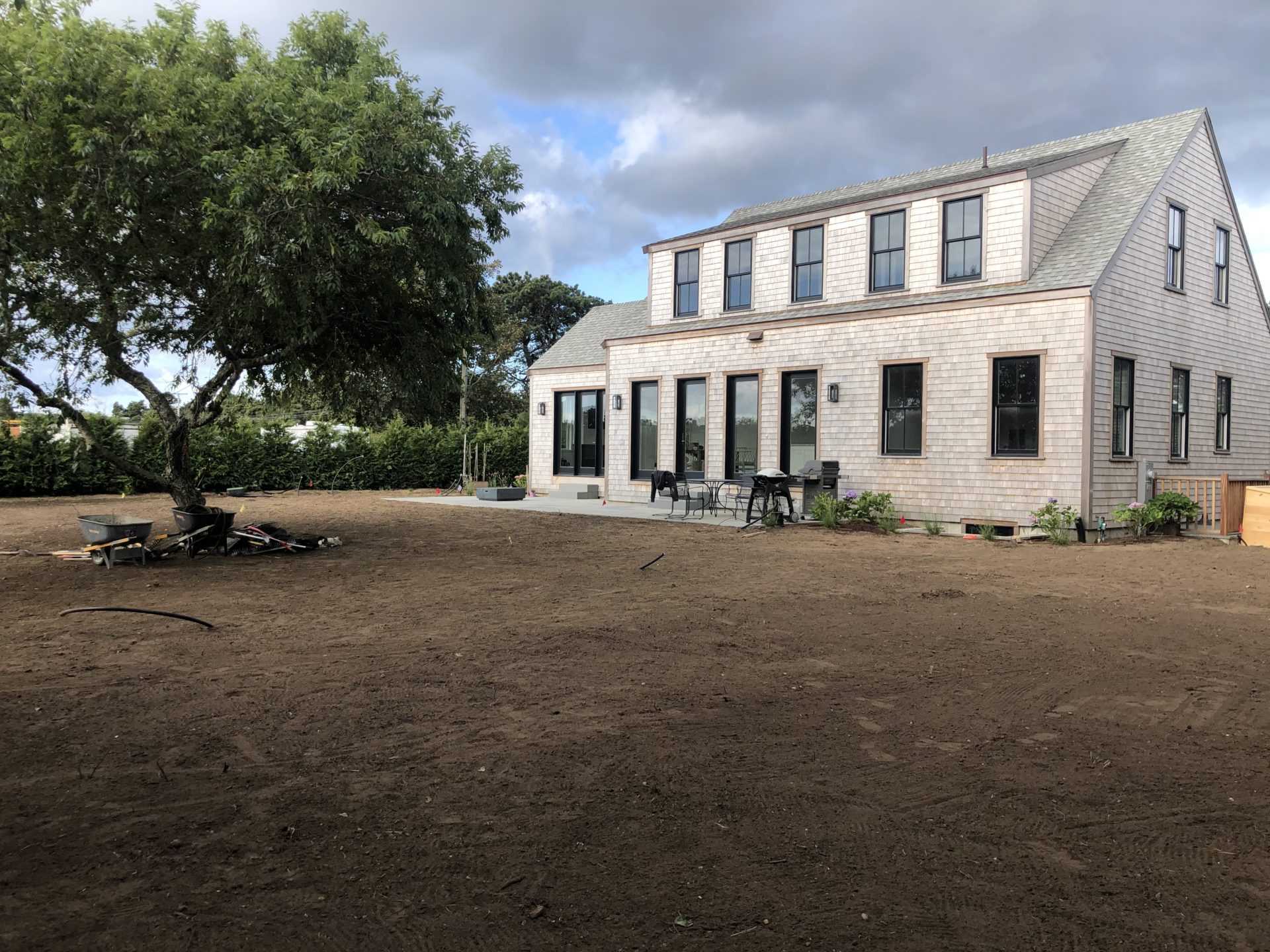
Building a vacation home in Cape Cod offers a unique opportunity to create a coastal retreat that balances timeless charm with modern comfort. The key to a successful build lies in understanding the region’s strict building codes, preserving its architectural heritage, and selecting materials suited for the coastal environment. This foundation ensures your home withstands the elements while complementing Cape Cod’s enduring aesthetic.
When you embark on this journey, it’s important to work with a builder who respects local regulations and design traditions. Mercatus Builders brings deep expertise in navigating these complexities, from the initial permitting process through to the finishing touches. With careful project management and craftsmanship, your Cape Cod vacation home will reflect both the region’s character and your personal vision.
Your investment in building on Cape Cod is not just about creating a comfortable getaway but also about honoring the spirit of the coast. By prioritizing thoughtful design and heritage-conscious construction, you set your property apart and ensure it will be a cherished sanctuary for years to come.
Key Considerations Before Building a Vacation Home in Cape Cod
Before you begin construction, it’s essential to navigate zoning laws, select a suitable lot, and address environmental risks specific to Cape Cod’s coastal setting. Planning with precision here helps ensure your project meets regulations and withstands local conditions.
Understanding Local Zoning and Environmental Regulations
Cape Cod enforces strict zoning rules designed to protect natural landscapes and maintain community character. You will need to check setbacks, height restrictions, and permissible land use for your property.
Environmental regulations protect sensitive coastal habitats. This means your plans might require special permits related to wetlands, dunes, or groundwater protection. Engaging with local boards early can prevent costly delays.
Mercatus Builders understands these complexities. They provide hands-on management through permitting and ensure your home respects Cape Cod’s architectural heritage and conservation requirements.
Selecting the Ideal Lot and Location
Choosing your lot involves more than aesthetics. Look for sites that balance privacy, accessibility, and exposure to coastal views without being vulnerable to erosion.
Consider proximity to essential utilities and community amenities, as infrastructure can vary greatly across the Cape. Also, evaluate the soil type and drainage to avoid long-term foundation issues.
A thorough site analysis will inform your design to suit Cape Cod’s seasonal climate and preserve natural buffers against wind and salt spray.
Evaluating Coastal Hazards and FEMA Guidelines
Cape Cod’s coastal location makes it prone to flooding, storm surge, and erosion. Your home must comply with FEMA flood zone maps and elevation requirements.
These guidelines impact foundation design, elevations, and materials used to reduce damage risk. Building higher or with flood-resilient features can protect your investment and ensure insurance eligibility.
Understanding these hazards upfront allows you to design a safe, durable retreat while adhering to federal and local mandates critical for any coastal construction project on Cape Cod.
Designing Your Cape Cod Vacation Home
Designing a vacation home on Cape Cod requires a balance of style, durability, and comfort. You’ll want to choose architectural details that reflect the region’s heritage while incorporating materials and features suited to the coastal environment. Practical amenities must complement the leisurely lifestyle of Cape Cod living.
Choosing the Right Architectural Style
Cape Cod homes are known for their simple, symmetrical design with steeply pitched roofs and shingle siding. These elements are not just aesthetic—they help shed heavy snow and withstand coastal winds.
When selecting your home’s style, consider the local character: classic gabled roofs, dormers for natural light, and modest footprints work well here. A design that respects the traditional Cape Cod look will align with regional zoning and historic guidelines.
Work with experienced professionals familiar with Nantucket architecture styles and Cape Cod building codes to ensure your home fits naturally within the community while fulfilling your family’s needs.
Integrating Energy-Efficient and Weather-Resistant Features
The Cape’s coastal climate demands materials that resist moisture, salt air, and wind. Choosing fiber cement siding and durable, impact-resistant windows helps protect your home.
Incorporate insulation and energy-efficient systems designed for cold winters and humid summers. Proper ventilation and sealed construction reduce long-term maintenance and improve comfort.
Mercatus Builders emphasizes weather resilience alongside energy performance, ensuring your vacation home remains both comfortable and sustainable over time.
Essential Amenities for Cape Cod Living
Your vacation home should accommodate both relaxation and coastal activities. Consider open floor plans and large windows to maximize natural light and views.
Functional spaces like mudrooms and ample storage for beach gear are important. Including porches or decks encourages outdoor living—a staple of the Cape Cod lifestyle.
Modern kitchens, durable finishes, and smart heating systems enhance usability without overpowering the home’s traditional charm. Thoughtful planning creates a retreat that embraces Cape Cod’s serene atmosphere.
Comparing Building Methods: Modular Homes vs. Traditional Construction
When building a vacation home in Cape Cod, understanding how each construction method affects cost, timing, and quality is essential. Modular homes offer precision and speed, while traditional builds provide design flexibility and hands-on craftsmanship that many coastal projects demand.
Benefits of Modular Home Construction
Modular homes are largely built indoors in controlled factory conditions. This limits weather delays, an important factor on Cape Cod where coastal weather can be unpredictable. Factory construction also means tighter quality control and less material waste.
You will typically see faster project timelines with modular homes—often up to 30-50% quicker than traditional builds. They can be customized but within standardized modules, which helps keep costs predictable.
Modular construction usually results in better energy efficiency because the factory assembly allows for precision sealing. This can be advantageous in managing Cape Cod’s seasonal temperature swings.
For Cape Cod homeowners seeking faster builds without sacrificing quality, modular homes are an increasingly attractive option. Learn more about modular construction’s impact on speed and cost at this modular vs. traditional comparison.
Traditional Building Process in Coastal Regions
Traditional construction onsite offers unmatched flexibility for highly customized designs. This is especially valuable on Cape Cod where local architecture varies widely and you may want to echo historic styles.
However, building traditionally can be slower due to weather interruptions and the coordination of multiple trades. The hands-on craftsmanship typical of this method allows for unique detailing that modular cannot replicate.
You will need a builder familiar with local coastal conditions—salt air, strong winds, and stringent conservation rules. Firms like Mercatus Builders specialize in these nuances, helping ensure your home withstands these stresses while maintaining aesthetic integrity.
Traditional builds on Cape Cod often demand a deeper knowledge of regional materials and architectural styles, which can enhance your home’s value and longevity.
Permitting and Code Compliance for Each Method
Navigating Cape Cod’s permitting process can be complex. Regardless of building method, you must comply with local zoning laws, historic district restrictions, and environmental regulations.
Modular homes still require permits at every step, but off-site construction can simplify some inspections. Your builder should coordinate approvals both for factory conditions and installation onsite.
Traditional homes undergo extensive onsite inspections at various phases and may need additional approvals for alterations in coastal or historic districts. You will benefit from working with a builder experienced in Nantucket and Cape Cod zoning, who understands local requirements and the AIA construction standards.
Mercatus Builders offers guidance through these regulatory steps, ensuring your build meets all code requirements while preserving the Cape’s architectural character. Schedule a consultation to explore how to smoothly navigate permitting for your vacation home.
Selecting the Right Professionals and Partners
Choosing the right team is crucial for a seamless build on Cape Cod. You will rely on experts who understand local codes, coastal conditions, and community character. Clear roles and effective communication help maintain your vision while managing timelines and budgets.
Working with Architects and Designers
Your architect or designer shapes the foundation of your vacation home’s style and functionality. Seek professionals familiar with Cape Cod’s architectural heritage and local zoning regulations. Membership in organizations like the AIA often signals a commitment to high standards and ethical practice.
Discuss your priorities clearly—from coastal resilience to aesthetic preferences. A capable designer will balance historical influences with modern needs, advising you on appropriate materials and layouts that respect the site and environment.
Early collaboration ensures designs are both beautiful and compliant, minimizing costly revisions later.
Hiring Experienced Cape Cod Builders
Finding builders who know Cape Cod’s distinct challenges is essential. Salt air, shifting soil, and strict building codes demand expertise beyond standard construction. You want a team accustomed to local permitting processes and environmental guidelines.
Mercatus Builders exemplify this approach. Their deep knowledge of coastal home building and Nantucket historic district renovations results in craftsmanship that honors tradition while ensuring durability. Select a builder who offers hands-on project management and transparency throughout construction.
Ask for references and proven track records in custom coastal homes to verify quality and reliability.
Project Management and Communication
Your project’s success depends on effective oversight and open communication. A dedicated project manager ensures deadlines are met, subcontractors coordinated, and permits secured promptly. They serve as your main contact, translating technical details into clear progress updates.
You should expect regular briefings and responsiveness to questions or concerns. Use technology tools for tracking milestones and documentation, but prioritize builders who value face-to-face communication and site visits.
With the right management, surprises are minimized and your Cape Cod vacation home rises on schedule, to your exacting standards.
Finishing Touches and Outdoor Living on Cape Cod
Creating a vacation home on Cape Cod means carefully integrating design elements that enhance comfort and embrace the coastal environment. Thoughtful interior selections and outdoor landscaping work together to deliver both style and function tailored to the region’s unique climate and aesthetic.
Interior Design Choices for Vacation Homes
Focus on durable materials that withstand humidity and salt air while maintaining an elegant Cape Cod look. Hardwood floors with a weathered finish or natural stone are practical yet timeless.
Incorporate built-in storage to maximize space without clutter. Light, neutral color palettes paired with navy or seafoam accents reflect the coastal surroundings and help create a relaxed atmosphere.
For furnishings, choose natural fibers such as linen and cotton that are breathable and easy to clean. Window treatments should allow ample natural light—consider woven wood shades or classic white shutters that echo traditional Cape Cod architecture.
Adding cozy elements like a brick fireplace or shiplap walls supports a warm, inviting vibe without sacrificing sophistication. Your custom home builder Nantucket or Cape Cod expert can help match these choices to the exact layout and style of your home.
Landscaping for the Coastal Climate
Landscaping on Cape Cod requires plant selections that tolerate salty air, sandy soil, and strong winds. Opt for native species such as beach grass, hydrangeas, and bayberry, which offer resilience and low maintenance.
Design your outdoor living spaces with weathered wood decks or stone patios that blend with the natural landscape. Raised garden beds or terraced walkways can manage uneven terrain common in coastal lots.
Consider privacy with plantings or woven fencing that respect local zoning rules yet shield outdoor areas from wind and neighbors. Incorporating elements like a white pergola or a brick fireplace creates inviting spaces for dining and relaxing outdoors.
Your builder should navigate local conservation guidelines and permittng process for Nantucket homes or Cape Cod coastal properties, ensuring all features complement the environment while enhancing your property’s value and comfort.
Mercatus Builders offers expertise in crafting outdoor living areas that balance beauty, function, and respect for Cape Cod’s regional character.
Frequently Asked Questions
Building a vacation home in Cape Cod involves a range of financial, design, and regulatory considerations. You will want to balance cost, functional design, and adherence to local architectural traditions while maximizing use of your site.
What are the typical costs associated with building a vacation home in Cape Cod?
Expect custom home construction costs to range roughly between $300 and $600 per square foot. Coastal regulations and flood zone requirements often increase expenses due to specialized materials and engineering.
Additional factors affecting cost include lot size, architectural complexity, and choice of finishes. A builder experienced with local conditions, like Mercatus Builders, can help you navigate these variables for accurate budgeting.
What are the pros and cons of owning a vacation home in Cape Cod?
Owning a vacation home gives you reliable access to a celebrated coastal lifestyle and potential rental income during peak seasons. However, seasonal demand can lead to fluctuating maintenance needs and higher insurance premiums.
You’ll also need to consider local regulations regarding rental properties if you plan to generate income. Proper planning and compliance are essential for balancing leisure and investment returns.
How does the first-floor master design feature influence Cape Cod house plans?
Including a first-floor master bedroom improves accessibility and enhances functionality, especially for multi-generational stays or aging in place. It allows for privacy and convenience without sacrificing traditional Cape Cod aesthetics.
This feature can also increase resale value as homebuyers often seek single-level living options within classic designs.
What considerations should be taken into account when selecting a Cape Cod house plan for a small buildable lot?
On small lots, plan for efficient use of space and prioritize vertical design elements to maximize living area. Pay close attention to setbacks, zoning restrictions, and coastal building codes which influence allowable size and placement.
Incorporating flexible, multi-use rooms and outdoor living areas can offset limited interior space. Your selected home plan should respect the site’s natural features and neighborhood character.
What are the traditional elements of a Cape Cod house’s front porch design?
Historic Cape Cod porches often feature a simple, low-pitched roof with an overhang supported by slender columns or posts. The farmer’s porch style—with its inviting yet unpretentious form—is a common hallmark.
Materials usually include natural wood and painted finishes, with details designed to withstand coastal weather while maintaining timeless appeal.
Are two-story Cape Cod house plans a practical choice for a vacation home?
Two-story designs efficiently increase square footage on limited footprints and allow separation of living and sleeping areas. They maintain the classic Cape Cod profile when proportioned and detailed correctly.
For vacation homes, this layout offers flexibility but requires careful planning for stairs, accessibility, and energy efficiency. Working with a knowledgeable builder ensures the design meets your lifestyle needs and local standards.