Restoring a Nantucket Cottage: What Specialists Do Differently for Authentic Preservation and Longevity
September 3rd, 2025 | by mercatus_edits | Posted in Uncategorized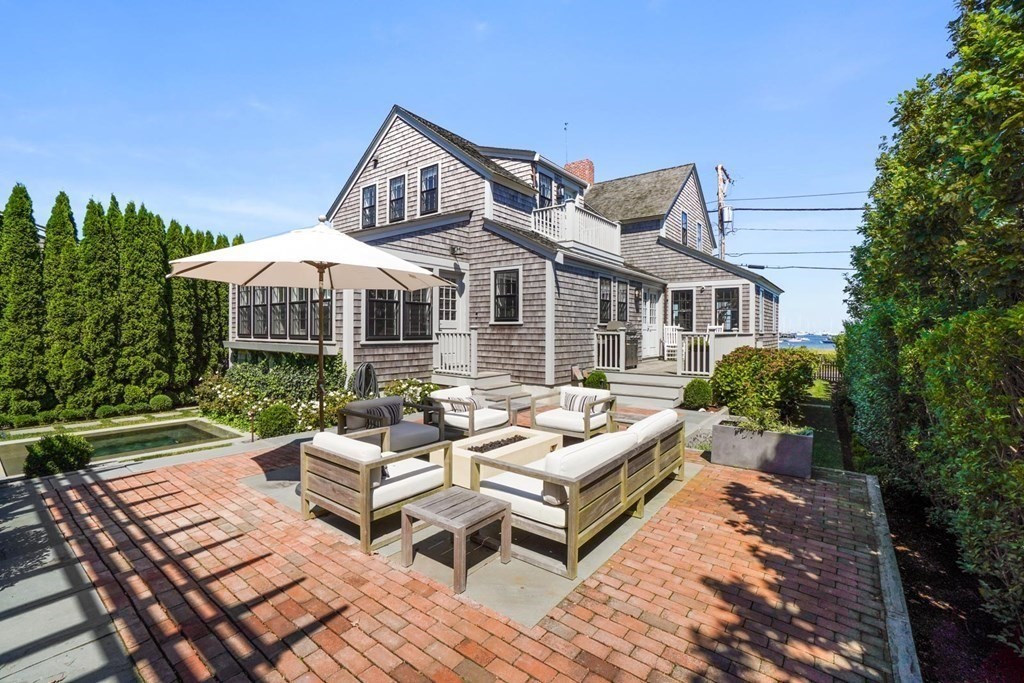
Restoring a Nantucket cottage requires more than just basic renovation skills—it demands a specialized approach that honors the island’s architectural heritage while navigating complex local regulations. Specialists understand how to balance preservation with modern functionality, ensuring your historic home remains authentic and compliant with Nantucket’s strict zoning and preservation codes. This expertise protects the character of your property while accommodating today’s living standards.
When you work with a Nantucket design-build firm like Mercatus Builders, you benefit from deep knowledge of local building codes and a hands-on management style that guides your project smoothly from permitting through final finish. Their craftsmanship respects the intricate details that define a historic cottage, making sure every element—structural and aesthetic—reflects the island’s timeless character.
You’ll discover that restoring a home on Nantucket is as much about conserving legacy as it is about quality construction. Specialists bring precision, patience, and experience to every stage, giving you confidence that your cottage restoration will enhance both its history and value.
Role of Restoration Specialists in Nantucket Cottage Projects
Restoration specialists bring unique expertise to preserving Nantucket cottages, balancing historical accuracy with modern needs. Their work involves careful craftsmanship, adherence to local codes, and collaboration with preservation bodies to ensure your project maintains its authentic character.
Specialized Techniques for Historic Cottages
You need specialists who understand the nuances of Nantucket’s coastal climate and architectural traditions. Restoration requires techniques like repairing original wood siding, using historically accurate paints, and treating materials to resist moisture without altering the cottage’s appearance.
Techniques include:
- Preserving original beams, flooring, and trim rather than replacing them
- Employing hand tools or traditional methods for repairs to maintain authenticity
- Using period-appropriate fasteners and fixtures
Specialists also address structural concerns sensitively, reinforcing foundations and framing with materials that respect the cottage’s age. This craftsmanship extends beyond aesthetics to safeguard your home’s longevity.
Project Management and Collaboration
Managing a Nantucket cottage restoration demands navigating complex permitting processes and strict zoning regulations. Restoration experts coordinate with local authorities, including the Nantucket Historical Association and Nantucket Preservation Trust, to secure approvals that protect historical integrity.
You benefit from clear timelines and seamless integration of subcontractors, interior designers, and craftsmen. These professionals streamline communication, anticipate challenges with codes and conservation rules, and keep your project on schedule and budget. Mercatus Builders offers hands-on project management designed to marry heritage with practicality, easing your path through regulatory requirements.
Distinguishing Qualities of Restoration Experts
True restoration specialists combine deep knowledge of Nantucket architecture styles with skillful craftsmanship. They respect the original design intent and blend modern comforts subtly, ensuring updated systems like HVAC and electrical are unobtrusive.
Their familiarity with local building codes and preservation standards enables you to avoid costly mistakes or delays. Restoration experts often provide detailed historical documentation and consult with the Nantucket Preservation Trust to guide sensitive decisions.
Look for builders like Mercatus Builders, who emphasize transparency, precision, and a heritage-conscious approach. Their focus on maintaining the island’s legacy ensures your cottage stands as a timeless reflection of Nantucket’s coastal spirit.
Preserving Historic Architectural Elements
When restoring your Nantucket cottage, maintaining the integrity of original features is essential. This requires precise attention to authentic materials, period-specific details, and a thoughtful approach to blending historic charm with contemporary lifestyle needs.
Exterior Detailing and Authentic Materials
The exterior of your cottage defines its place within Nantucket’s historic district. Using authentic materials such as cedar shingles, traditional sash windows, and historically accurate paint colors is critical. These elements not only comply with preservation standards but also protect the building’s character.
Specialists like Mercatus Builders source period-appropriate materials to match the original fabric of your home. Repairs often involve replicating traditional carpentry techniques rather than applying modern substitutes. This ensures longevity while honoring the architectural heritage safeguarded by the Nantucket Preservation Trust.
In this phase, attention to details like gingerbread trim, door hardware, and appropriate roofing materials contributes substantially to preserving your home’s visual and structural authenticity.
Restoring Period-Specific Features
Your Nantucket cottage likely embodies specific architectural styles reflecting its era—whether Federal, Colonial, or Greek Revival. Restoration experts carefully research your home’s history to identify and preserve defining elements, such as mantelpieces, moldings, staircases, and built-in cabinetry.
The restoration process is guided by detailed historical documentation and physical evidence, helping avoid generic replacements. You will find that preserving original features not only enhances aesthetic appeal but also supports any local preservation requirements within Nantucket’s historic district.
Mercatus Builders employs master craftsmen skilled in period-specific restoration, ensuring each feature is delicately repaired or replicated to maintain the home’s authentic story.
Balancing Aesthetics with Modern Living
While preserving historic elements, your home must also serve contemporary functions comfortably. Specialists integrate modern systems—like HVAC, plumbing, and insulation—without compromising the architectural fabric.
This involves discreet placement of modern infrastructure and using reversible or minimally invasive techniques. The goal is to safeguard character while enhancing energy efficiency and habitability for daily family life.
Maintaining this balance ensures your Nantucket cottage remains both a vibrant piece of history and a functional, welcoming home for years to come.
Schedule a consultation to begin a restoration project that respects your home’s legacy and meets your modern needs.
Navigating Local Regulations and Preservation Guidelines
Restoring a Nantucket cottage requires careful attention to the island’s detailed regulatory environment. You must balance preservation with functional upgrades while meeting the standards set by multiple local authorities. Understanding the processes for approvals, design standards, and engagement with preservation groups will guide your project smoothly.
Working with Nantucket Historic District Commission
The Nantucket Historic District Commission (HDC) plays a central role in protecting the island’s architectural heritage. When restoring your cottage, you must submit detailed plans illustrating compliance with design guidelines that prioritize exterior appearance, materials, and scale.
Expect multiple review stages focusing on preserving historic character. The HDC reviews rooflines, window types, siding, and color palettes to ensure consistency with Nantucket’s distinct aesthetic. Your project must also respond to flood resilience and sustainability requirements now integrated into local codes.
Mercatus Builders has extensive experience navigating HDC standards. Their approach ensures your restoration respects these critical elements while incorporating modern amenities discreetly.
Securing Permits and Approvals
Obtaining permits on Nantucket involves coordination with town planning, building, and environmental departments. You will need:
- A Certificate of Appropriateness from the Historic District Commission
- Building permits that meet Nantucket building codes and zoning laws
- Floodplain compliance documentation, if applicable
Engaging early with permitting officials helps identify potential roadblocks and clarifies documentation needs. You should expect to provide architectural drawings, materials specifications, and historical research supporting restoration choices.
Mercatus Builders can assist by managing the permitting process end-to-end, ensuring timelines align with regulatory requirements. They bring hands-on expertise in reconciling preservation demands with structural safety and modern building practices.
Engaging with Preservation Organizations
Working alongside the Nantucket Preservation Trust and Nantucket Historical Association enriches your restoration project with valuable resources. These organizations offer access to historic surveys, archival records, and educational materials about local architecture.
You can request site visits or house histories to understand original design elements and alterations over time. This knowledge is crucial for making informed decisions about which features to preserve or restore authentically.
Collaborating with these groups also helps maintain community goodwill and supports long-term conservation goals. Their guidance complements regulatory processes and fosters stewardship of Nantucket’s historic identity.
Integrating Modern Comforts Without Compromising Character
Balancing historic charm with modern functionality is essential when restoring a Nantucket cottage. Thoughtful updates allow you to enjoy contemporary comfort while preserving the home’s authentic character. This requires precision in material choices and design decisions aligned with Nantucket’s architectural heritage.
Energy-Efficient Windows and Sustainable Upgrades
Replacing old windows demands careful selection to maintain the cottage’s iconic look. You’ll want windows that replicate original profiles and muntin patterns while improving insulation and reducing energy loss. Advanced double- or triple-glazed windows with low-E coatings can meet these needs without altering the exterior appearance.
Sustainable upgrades like enhanced insulation, energy-efficient HVAC systems, and discreet solar panels can be integrated with minimal visual impact. These improvements reduce utility costs and improve comfort throughout the year. At Mercatus Builders, we ensure all energy-efficient installations comply with Nantucket building codes and historic district guidelines, preserving the home’s integrity while enhancing performance.
Compatible Interior Design Choices
Inside, your interior design should echo traditional Nantucket materials and finishes while accommodating modern living. Selecting period-appropriate wood flooring, millwork, and muted color palettes creates cohesion between old and new. Work alongside an interior designer familiar with [Nantucket design-build firm] standards to ensure your choices respect the home’s heritage.
You can introduce modern conveniences like updated kitchens and bathrooms with fixtures that blend classic styles and durable, high-quality materials. Lighting and hardware should complement the cottage’s historic feel without sacrificing usability. These details together allow you to live comfortably today while honoring the legacy of your Nantucket home.
Challenges Unique to Nantucket Cottage Restoration
Restoring a Nantucket cottage requires more than general renovation knowledge. You must navigate the island’s climate, source materials that honor its architectural legacy, and address structural concerns typical of older coastal homes. Each of these challenges demands careful consideration to respect Nantucket’s historical integrity and building codes.
Coastal Climate Considerations
Nantucket’s coastal environment exposes cottages to high humidity, salt air, and strong winds year-round. These factors accelerate wood rot, metal corrosion, and paint degradation. You need to select materials and finishes designed to resist moisture and salt damage while retaining historical appearance.
Proper ventilation is crucial to prevent condensation buildup that can harm original woodwork. Storm preparedness is also essential; restored roofs, windows, and siding should meet enhanced durability standards without compromising historic character. Mercatus Builders emphasizes materials and techniques that offer long-term protection tailored to Nantucket’s harsh sea air.
Sourcing Authentic Materials
Maintaining the cottage’s historic charm means using materials that match or closely replicate original components. Modern substitutes often fail to capture the texture, color, or craftsmanship of century-old cedar shingles, wide-plank flooring, or custom wood moldings.
You should seek out reclaimed timber or millwork crafted to period specifications. Local suppliers and craftsmen who understand Nantucket style can assist but availability fluctuates. Patience and a discerning eye are necessary to acquire these authentic materials. This attention to detail ensures your restoration honors the cottage’s heritage while passing muster with local preservation authorities.
Addressing Structural Issues
Many Nantucket cottages were built in the 18th or 19th centuries with framing methods and foundations not meant for today’s standards or coastal stresses. Settling, wood decay, and insect damage are common structural challenges you will face.
A thorough assessment should include foundation stabilization, replacement of compromised framing members, and reinforcement against wind loads. These interventions must balance modern safety with preservation. Skilled contractors like Mercatus Builders combine historical knowledge with technical expertise to maintain structural integrity without erasing original elements.
Engaging specialists who understand these nuances ensures your Nantucket cottage remains both beautiful and sound for generations.
Frequently Asked Questions
Restoring a Nantucket cottage involves specialized knowledge of the island’s architecture, materials, and local regulations. It requires balancing preservation with modern living standards while navigating strict historic district guidelines.
What are the unique challenges in restoring historical properties on Nantucket?
You must address weather exposure and salt air effects that accelerate wear. Maintaining structural integrity while preserving original details can be complex. Additionally, sourcing skilled craftsmen familiar with Nantucket styles is essential for authentic restoration.
Which building materials are recommended for maintaining the authentic look of a Nantucket cottage?
Use traditional materials such as cedar shingles, wood clapboard siding, and period-appropriate windows. These materials weather naturally and match the island’s historic aesthetic. High-quality, locally sourced timber often ensures durability and authenticity.
How do specialists approach preserving the original features of a Nantucket cottage during restoration?
Experts carefully document existing conditions and use gentle repair techniques. Original moldings, hardware, and flooring are restored when possible rather than replaced. Specialists like Mercatus Builders integrate modern systems discreetly to maintain historical integrity.
What are the regulatory considerations when renovating in Nantucket’s historic district?
You need to comply with Nantucket Historic District Commission (HDC) guidelines, which regulate exterior alterations. Permits and design reviews are mandatory before work begins. Understanding Nantucket zoning tips and building codes is critical to avoid costly delays.
Can modern amenities be integrated into a Nantucket cottage without compromising its historical integrity?
Yes. Thoughtful design lets you add modern kitchens, baths, and HVAC systems while preserving architectural character. Strategic placement and concealed installations minimize visual impact, ensuring your cottage meets contemporary comfort standards without losing its heritage.
What is the typical timeline and budget for a professional Nantucket cottage restoration project?
Restorations typically take several months, depending on scope and permitting. Budget varies widely based on materials and craftsmanship quality, but expect premium costs for true historical accuracy. Early planning with a Nantucket design-build firm like Mercatus Builders helps set realistic expectations.