Hurricane-Resistant Home Design: How Nantucket Builders Protect Coastal Homes With Advanced Techniques
August 28th, 2025 | by mercatus_edits | Posted in Uncategorized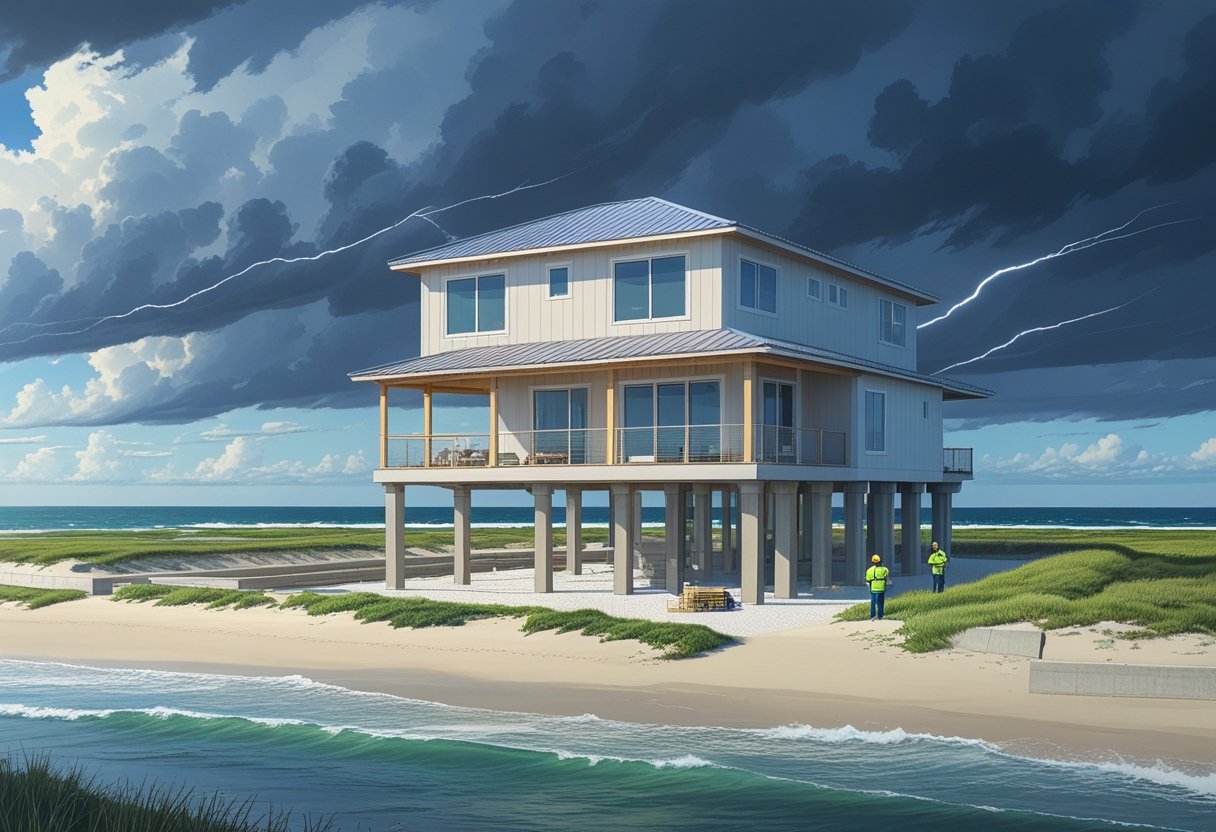
When building or restoring a coastal home on Nantucket, protecting your investment from hurricanes requires more than standard construction. Effective hurricane-resistant home design integrates local building codes, resilient materials, and strategic architectural features to ensure your home withstands seasonal storms without compromising Nantucket’s historic charm. Your home needs to balance durability with the island’s strict preservation guidelines, a task that demands expertise in both engineering and design.
As a Nantucket design-build firm, Mercatus Builders understands the unique challenges posed by coastal weather and island regulations. We specialize in creating custom homes and restorations that honor the island’s architectural heritage while incorporating advanced hurricane mitigation techniques. From elevated foundations to wind-resistant roofing and impact-resistant glazing, every detail contributes to safeguarding your home’s value and your family’s safety.
Navigating Nantucket’s zoning and permitting process is critical to achieving a resilient coastal home. By partnering with a builder who knows the local codes and historic district nuances, you ensure a seamless process from concept to completion. Your home can embody the timeless character of Nantucket while standing strong against future storms. Learn how these carefully considered design choices come together to protect your coastal sanctuary.
Core Principles of Hurricane-Resistant Home Design
Building in coastal areas means facing strong winds, heavy rain, and storm surges common to hurricanes. To protect your home, every element—from foundation to roof—must be designed with resilience in mind. Structural integrity, material strength, and precise engineering work together to reduce damage and ensure safety.
Understanding Hurricane Risks for Coastal Homes
Coastal homes contend with multiple hurricane threats: extreme wind speeds, torrential rainfall, and storm surge flooding. These factors vary by location, with exposure to open water increasing risk significantly.
Knowing your site’s vulnerability guides critical design decisions. Elevation above flood levels and distance from the shoreline affect foundation type and structural form.
Wind load is a primary concern on Nantucket, where gusts can exceed 100 mph. Your home must meet local and state codes that specify materials and construction methods tailored to severe weather.
Mercatus Builders emphasizes this careful assessment to meet Nantucket zoning tips while preserving historic district requirements. This ensures a home both beautiful and prepared for coastal storms.
Fundamental Elements of Storm Protection
A hurricane-resistant home depends on several key components:
- Strong Foundation: Elevated foundations, such as pilings or stilts, protect against flooding and surge.
- Secure Roof: Metal roofs with reinforced fasteners resist uplift and debris impact.
- Impact-Resistant Windows and Doors: Designed to endure wind pressure and flying debris.
- Continuous Load Path: A structural system connecting roof, walls, and foundation to share applied forces and prevent failure.
Attention to these areas reduces vulnerability at common points of failure during hurricanes. Using durable materials and suitable construction techniques also prolongs your home’s lifespan under harsh conditions.
Your home design should integrate these elements naturally, ensuring functional strength without compromising Nantucket architecture styles.
Wind Resistance and Structural Integrity
Wind resistance relies on the home’s framing, connections, and shape. Aerodynamic designs with multiple sides can deflect hurricane-force winds, reducing pressure on any one surface.
Solid framing should use engineered lumber and hurricane ties to secure all joints. Overlapping sheathing and sealed seams prevent water penetration that weakens the structure.
Mercatus Builders applies these principles to every project, combining modern wind resistance strategies with craftsmanship respectful of Nantucket’s historic fabric.
Ensuring your home maintains structural integrity during a hurricane involves meticulous planning and high standards. Effective structural reinforcement minimizes repairs and protects occupants, making your coastal home safer and more resilient over time.
Foundation and Structural Systems for Coastal Homes
Your home’s foundation and structural system must withstand coastal challenges like high winds, flooding, and shifting soils. A strong foundation ensures stability, while specialized systems maintain structural integrity when storms test your property. Considerations include material choices, elevation, and anchoring methods tailored to Nantucket’s environment.
Reinforced Concrete and Steel Frame Foundations
Reinforced concrete foundations offer durability against flooding and soil erosion common near the coast. Steel frames integrated with concrete add strength, enabling your home to resist lateral and uplift forces during hurricanes. Together, these materials create a resilient base that supports both vertical and horizontal loads.
Using steel reinforcement bars within concrete minimizes cracking and enhances load transfer between the ground and your structure. This combination allows for a continuous load path, a critical factor in maintaining stability amid storm stresses. Mercatus Builders prioritize these materials to meet Nantucket’s building codes while honoring local design traditions.
Pile Foundations and Elevated Designs
Pile foundations are essential on Nantucket’s sandy or loose soils. These deep, slender columns transfer your home’s weight to stable soil layers beneath. Pile systems limit settlement and prevent structural movement during flooding or storm surges.
Elevating your home on piles increases protection from water damage. This design creates an open space beneath the living areas, allowing floodwaters to flow without compromising the structure. Elevation also aligns with local zoning requirements and helps reduce insurance costs. Combining pile foundations with thoughtful elevation balances function and aesthetics for Nantucket coastal homes.
Anchoring Techniques and Hurricane Straps
Anchoring your home securely to the foundation is vital for hurricane resilience. Hurricane straps—heavy-duty metal connectors—tie the roof, walls, and foundation together, preventing separation under high wind loads.
These straps maintain the building’s structural integrity by resisting uplift and lateral forces. Their placement and installation must comply with Nantucket’s strict building codes to ensure maximum performance. Professional builders like Mercatus Builders carefully detail anchoring systems to integrate them seamlessly with the home’s design while ensuring robust protection.
You can expect enhanced durability and peace of mind knowing your home stays anchored against intense coastal storms.
Advanced Building Materials and Construction Methods
Protecting your coastal home requires carefully selected materials and construction techniques that withstand wind, water, and debris. Using durable components and designed shapes helps reduce damage and maintain the home’s integrity through storms.
Impact-Resistant Windows and Doors
Impact-resistant windows use laminated glass designed to withstand flying debris and strong winds typical of hurricanes. This glass holds together even when broken, preventing shards from entering your home and improving security. Frames are typically reinforced aluminum or vinyl to resist corrosion from coastal exposure.
Installing these windows and doors not only meets local building codes but also reduces insurance premiums. They maintain clear sightlines and natural light without compromising safety. When working with a custom home builder Nantucket residents trust, like Mercatus Builders, you can ensure these features align with both historic aesthetics and modern durability.
Storm Shutters and Flood Barriers
Storm shutters offer an extra layer of protection, shielding glass surfaces from debris during storms. Options include roll-down, accordion, and Bahama styles, each varying in ease of use and permanence. Installing shutters approved by local zoning ensures compliance with Nantucket building codes and historic district guidelines.
Flood barriers are essential for coastal homes vulnerable to storm surge. These often include removable panels or permanent flood-resistant foundation designs using concrete blocks to limit water entry. Effective flood barriers reduce long-term repair costs and protect structural elements from moisture damage.
Roof Shapes: Hip Roofs and Concrete Blocks
Hip roofs, sloping on all sides, are more resilient against high winds than gabled roofs. Their aerodynamic shape deflects storm force, reducing uplift pressure. Many Nantucket historic homes feature hip roofs for this reason, blending tradition with strength.
Concrete blocks serve as a robust foundation and wall material. Their mass and resistance to wind and water make them ideal for hurricane-proof house design. Concrete’s fire resistance and durability also contribute to longevity in harsh coastal climates.
Choosing these materials and forms, your home can meet Nantucket zoning tips while standing firm through severe weather seasons. Mercatus Builders specializes in integrating these methods with local architectural styles so your coastal retreat remains both classic and secure.
Mitigating Water and Flood Damage
To protect your coastal home in Nantucket, it’s essential to manage rising storm surge and flooding risk through precise design and site work. Effective water mitigation combines strategic barriers, smart landscaping, and elevated construction to safeguard your property’s foundation and living spaces.
Storm Surge Management Strategies
Storm surge poses one of the most significant threats to coastal properties, pushing large volumes of saltwater inland. You can reduce this risk by installing flood barriers such as reinforced seawalls, breakwaters, or deployable flood gates around your property perimeter. These systems are engineered to absorb or deflect surge pressure.
Foundations anchored deep into bedrock will resist water and soil movement during surges. In high-risk zones, concrete or steel pilings elevate the structure, reducing direct water contact and damage. Combining barriers with foundation reinforcement minimizes both immediate water intrusion and subsequent structural weakening.
For Nantucket’s unique coastal conditions, Mercatus Builders prioritizes materials compliant with local codes and focus on long-term resilience, rather than temporary fixes.
Landscape Drainage Systems and Site Planning
Proper site planning directs floodwaters away from your home. This starts with grading the land to create natural slopes that channel water toward drainage points. You should incorporate swales, French drains, and permeable hardscapes to handle runoff efficiently.
Planting strategically selected coastal vegetation aids soil stabilization and slows water flow, reducing erosion and ponding. Hardscaping with stone walls or berms serves dual purposes: aesthetics and flood control.
An effective drainage system reduces moisture buildup around the foundation, preventing long-term damage like mold or rot. Continuous maintenance ensures drains remain clear of debris during Nantucket’s storm season.
Elevated Living Spaces and Flood-Resistant Features
Raising your home above predicted flood levels is one of the most reliable ways to prevent flood damage. Elevated living spaces, such as raised first floors or pilings, keep critical systems and belongings dry.
Materials chosen for lower levels should be flood-resistant—think concrete, masonry, or treated wood. Avoid drywall and insulation vulnerable to water damage in areas below the base flood elevation.
Install flood vents to equalize pressure during water rise, lowering the risk of foundation cracks. Windows and doors designed for impact and water resistance further protect interior spaces from storms.
By integrating these features, your Nantucket home gains a significant advantage against flooding, balancing historical architectural integrity with modern protective measures. Schedule a consultation to explore how Mercatus Builders can help implement these strategies tailored to your property.
Enhancing Safety, Resilience, and Energy Efficiency
To protect your coastal home effectively, it’s essential to integrate systems that ensure continuous power, safeguard electrical components, and optimize energy use. Thoughtful design also accounts for future adaptability and accessibility, preserving both comfort and value over time.
Backup Power and Surge Protection Solutions
Power outages are common during storms, making backup power vital for safety and comfort. A professionally installed generator or battery backup system can maintain critical functions like refrigeration, lighting, and security systems throughout outages.
Surge protection is equally important to shield your home’s electrical equipment from voltage spikes caused by lightning or utility grid disruptions. Whole-home surge protectors, paired with individual outlet protectors, reduce the risk of damage to costly appliances and electronics.
Mercatus Builders incorporates these solutions to meet Nantucket’s coastal challenges, ensuring your home remains operational and secure under severe conditions.
Energy-Efficient Building Features
Energy efficiency in a hurricane-resistant home goes beyond reducing utility bills. Proper insulation, including spray foam or rigid foam options, slows heat transfer and maintains stable indoor temperatures during extreme weather.
Impact-resistant windows and doors contribute to both wind resistance and thermal efficiency by limiting air leakage. Incorporating Energy Star-rated appliances and HVAC systems designed for coastal climates further improves efficiency without compromising performance.
Using sustainable roofing materials and venting systems designed to withstand moisture and wind stress ensures your home’s durability while supporting lower energy use year-round.
Accessible and Future-Proof Design Considerations
Designing with accessibility means considering aging-in-place features and potential mobility needs from the start. Wide doorways, zero-step entries, and reinforced walls for future grab bar installation enhance usability without sacrificing elegance.
Future-proofing your home also involves planning for evolving technology—wiring layouts should support smart home systems and renewable energy integration, such as solar panels, without major renovations later.
Mercatus Builders understands Nantucket’s zoning restrictions and architectural traditions, allowing you to embrace innovative, resilient home features that respect the island’s heritage and your long-term investment.
Frequently Asked Questions
Understanding how to protect your home against hurricanes involves more than materials; it includes design elements, local code compliance, and strategic landscaping. Durable construction, appropriate roofing, and advanced window systems all contribute to resilience in coastal environments like Nantucket.
What are the essential features of hurricane-resistant construction?
You need reinforced framing with impact-resistant nails and hurricane straps. Elevated foundations reduce flood risk. Buildings should have continuous load paths to transfer wind forces safely to the ground. Sealing openings against water intrusion is critical.
How do building codes on Nantucket differ for hurricane protection?
Nantucket’s codes enforce stricter wind load requirements than many mainland areas due to its coastal exposure. You must meet both state and local historic district regulations, which affect material choice and exterior appearance. Permitting involves detailed reviews ensuring compliance with hurricane and preservation standards.
What materials are recommended for building hurricane-resistant homes?
Concrete, steel framing, and insulated concrete forms (ICFs) are durable options. Impact-resistant glass or laminated windows protect against flying debris. Use corrosion-resistant fasteners and treated wood for longevity in salty air. These materials also meet Nantucket building codes.
What are the best practices for roofing in hurricane-prone areas?
Opt for multi-slope roofs that reduce wind pressure on any one surface. Metal or reinforced asphalt shingles offer strong wind resistance. Roofs must be securely anchored with hurricane clips or straps. Overhangs should be minimized to prevent uplift.
How can landscaping be used to enhance a home’s resistance to hurricanes?
Planting low-profile, deep-rooted native vegetation can slow wind and water flow. Avoid large trees close to structures to prevent damage from falling branches. Graded land that directs water away from the foundation helps reduce flood impact.
What are the latest innovations in hurricane-proof window and door systems?
Modern impact windows use multiple layers of laminated glass with protective interlayers. Door systems now include reinforced frames and multi-point locking mechanisms. Some feature integrated storm shutters that are easier to deploy during a storm. These advances optimize safety without sacrificing Nantucket style.
For a custom approach that honors Nantucket’s legacy while meeting today’s storm demands, working with a coastal construction expert like Mercatus Builders ensures every detail aligns with both heritage and resilience. Schedule a consultation to start your Nantucket build.