How to Integrate Nantucket’s Historic Style Into Modern Floor Plans for Timeless Coastal Living
September 25th, 2025 | by mercatus_edits | Posted in Uncategorized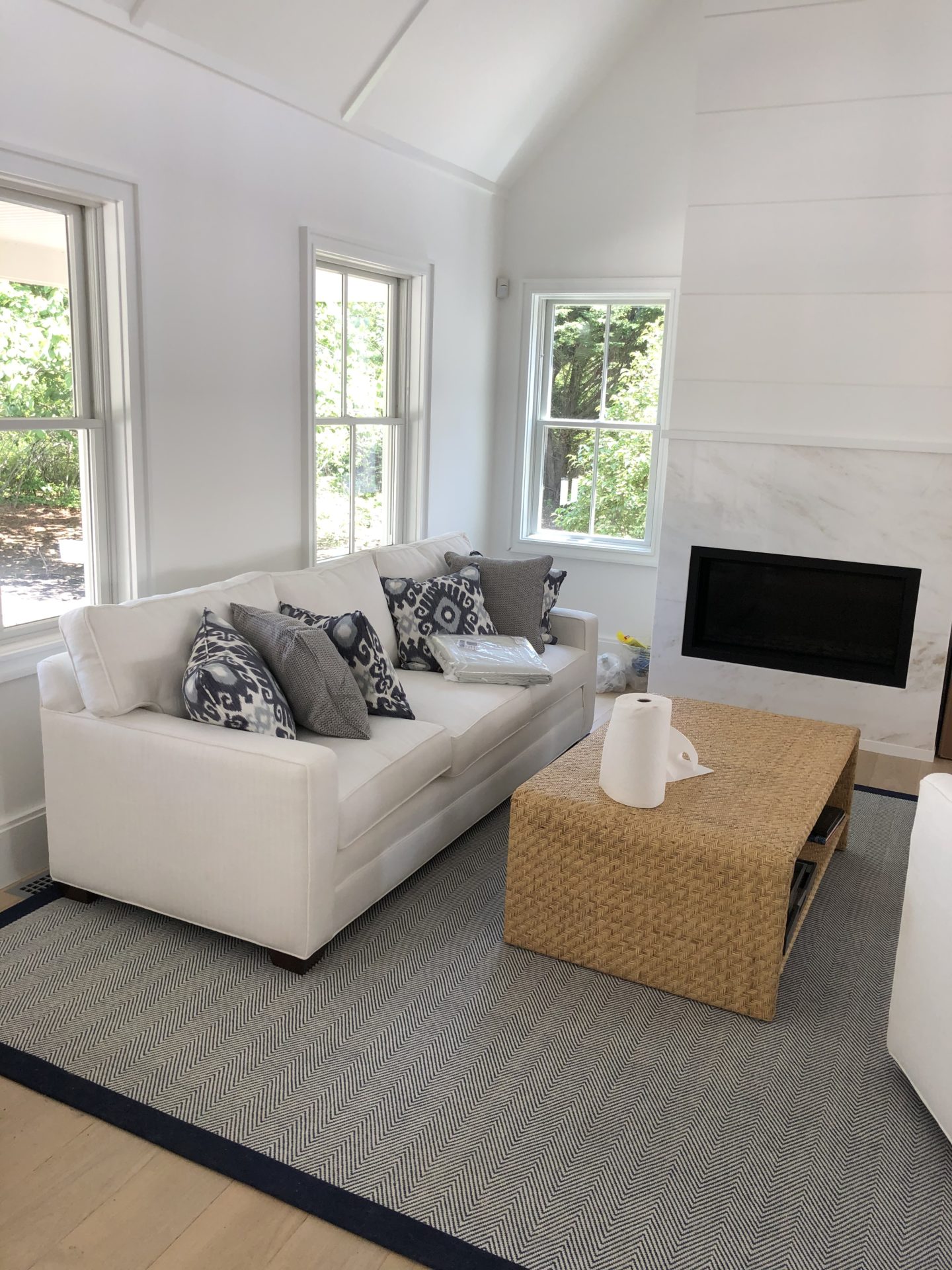
Integrating Nantucket’s historic style into modern floor plans requires balancing tradition with contemporary needs while respecting the island’s unique architectural heritage. You can achieve this by preserving key historic elements—such as natural materials, classic rooflines, and multi-structure layouts—while incorporating modern amenities and open, light-filled spaces that suit today’s lifestyle. This approach ensures your home feels both timeless and functional.
Navigating Nantucket’s strict building codes and historic district regulations is essential when blending old and new. Working with a local expert like Mercatus Builders can simplify this process, as they bring deep knowledge of zoning, permits, and preservation standards. Their craftsmanship focuses on honoring Nantucket’s legacy without compromising modern comfort or style.
Whether you’re restoring a historic cottage or designing a custom coastal retreat, thoughtful design choices can create harmony between past and present. By choosing the right materials and floor plan features, you maintain the island’s character while meeting your family’s evolving needs. Learn how to bring these principles into your build with guidance grounded in Nantucket’s distinctive setting.
Defining Nantucket’s Historic Style in Modern Architecture
Nantucket’s historic style balances timeless materials with distinctive shapes and details rooted in the island’s coastal climate and heritage. It emphasizes natural textures and restrained color palettes while maintaining a strong connection to the past through architectural forms and finishes. This foundation shapes how you can blend authenticity with contemporary needs in your modern floor plan.
Understanding Key Exterior Features
The exterior of Nantucket homes is instantly recognizable by its weathered cedar shingles, which naturally age to a soft gray, offering protection and a classic look. These shingles create texture and depth unique to the island’s environmental conditions.
Pitched roofs with steep gables provide both aesthetic charm and functional drainage during coastal storms. You’ll also find white trim framing windows and doors, highlighting symmetry and adding crisp contrast to the muted shingles.
Windows often feature double-hung or small-paned designs, reflecting historic proportions. Porches, shutters, and dormers contribute to the home’s layered, inviting appearance. Careful attention to these features is critical to honoring Nantucket’s architectural heritage while adapting to modern layouts.
Fundamental Interior Elements
Inside Nantucket homes, you can expect a calm, cohesive atmosphere grounded in natural materials and simple finishes. Exposed beams and wide-plank hardwood floors are common, contributing warmth and authenticity.
The color palette focuses on neutrals—soft whites, sandy beiges, and muted blues—that mirror the island’s coastal surroundings. Interior spaces favor practical layouts that allow for natural light and flow, often preserving traditional room proportions while accommodating modern living.
Built-in cabinetry, beadboard paneling, and classic moldings subtly nod to historical craftsmanship without sacrificing convenience. When designing your Nantucket home, blending these elements helps maintain character as you integrate updated amenities.
Architectural Heritage and Historical Influence
Nantucket’s architecture reflects its maritime legacy, shaped by the whaling era and subsequent preservation efforts. The island’s Historic District Commission enforces guidelines that protect this legacy, influencing materials, rooflines, and building forms you must respect.
Many Nantucket homes evolved by adding smaller connected structures rather than a single large mass—an approach called pavilion-style architecture, which you can incorporate to maintain historical continuity.
Mercatus Builders understands the balance between compliance with Nantucket building codes and creating homes that feel both authentic and current. By appreciating the island’s past and design precedents, you ensure your home stands as part of Nantucket’s enduring architectural story. For more on harmonizing modern comfort with Nantucket’s style, see how we approach building with Nantucket in mind.
Adapting Nantucket’s Exterior Elements to New Floor Plans
When designing modern floor plans inspired by Nantucket’s historic style, you’ll need to carefully select exterior features that honor tradition while meeting contemporary needs. Key elements such as shingles, roof shapes, and building proportions form the foundation of this balance.
Integrating Weathered Shingles and White Trim
Weathered cedar shingles are essential to capturing the authentic Nantucket aesthetic. Their naturally aged texture offers both durability and visual warmth, adapting gracefully to the island’s harsh coastal environment.
Pair these with crisp white trim to highlight windows, doors, and corners. White trim provides contrast while emphasizing architectural lines integral to Nantucket homes. Using high-quality, weather-resistant paint ensures the trim maintains its clean appearance over time.
When applying these materials on new floor plans, ensure the shingles wrap corners smoothly and the trim frames openings with proportionate widths, echoing traditional craftsmanship standards. This approach upholds Nantucket’s visual identity and meets local regulations governing historic district renovations.
Modern Interpretations of Pitched Roofs
The steeply pitched roof is a signature feature of Nantucket homes. To adapt this for modern floor plans, retain the classic roof pitch for authenticity while integrating practical improvements, such as enhanced insulation and ventilation.
Consider roof lines that accommodate natural light through dormers or skylights, blending traditional silhouettes with today’s interior comfort demands. Maintaining simple, uncluttered roof profiles helps preserve the island’s understated charm.
Mercatus Builders emphasizes pursuing roof construction techniques that respect Nantucket building codes while allowing for energy efficiency. This means durable roofing materials that weather salt spray and storms but remain true to historic aesthetic standards.
Additive Massing and Building Proportions
Nantucket homes typically feature additive massing—a series of connected volumes that create a layered, informal appearance. When incorporating this into a new floor plan, focus on breaking down larger building masses into smaller, interconnected sections.
This helps maintain human scale while allowing for versatile interior layouts. Proportions should reflect traditional dimensions, such as narrower gable ends and taller facades, which provide vertical emphasis without overwhelming the site.
Using setbacks and step-backs effectively allows your design to appear as if it evolved over time, which is crucial in blending a new home smoothly into the historic context. Maintaining these proportions ensures compliance with Nantucket historic district renovations and the local zoning landscape.
Schedule a consultation with Mercatus Builders to ensure your design balances Nantucket’s historic charm and modern functionality within these architectural frameworks.
Harmonizing Modern Floor Plans With Classic Features
Balancing Nantucket’s historic style with modern floor plans requires clear attention to flow, light, and the connection between indoor and outdoor spaces. Your home should honor traditional elements while providing the openness and comfort expected today.
Open Floor Plans and Flow
Open floor plans have become a defining feature in modern Nantucket homes. Removing walls between kitchens, dining, and living rooms creates a spacious environment that suits today’s lifestyle. This openness encourages natural interaction among family and guests without compromising the classic layout’s sense of order.
Incorporate traditional elements like wide trim, shiplap walls, or built-in cabinetry to maintain Nantucket style. The flow should lead naturally to gathering spaces, with clear sightlines and easy movement. This approach respects the island’s aesthetic while supporting modern functionality essential in custom home builder Nantucket projects.
Maximizing Natural Light
Natural light defines a Nantucket home’s character, capturing the island’s coastal ambiance. Large windows—often tall and multi-paned—bring in sunlight and frame views of the surroundings. Position windows strategically to brighten rooms and create a light, airy atmosphere throughout your home.
Integrate classic window styles with modern energy efficiency. Look for options that meet Nantucket building codes and preservation standards, blending historic appeal with sustainability. Consider transoms, sidelights, or small circular windows in attic spaces to add architectural interest and illumination, enhancing both form and function.
Indoor-Outdoor Connections
Seamless indoor-outdoor connections are essential to living the Nantucket lifestyle. Design your floor plan with easy access to porches, decks, or patios to extend your living space toward the coast or gardens. These transitions should reflect traditional materials like wood flooring and painted finishes to stay true to Nantucket architecture styles.
Use large sliding or folding doors to open rooms fully during warmer months. This design promotes fresh air and natural light while respecting the home’s historic roots. Mercatus Builders emphasizes these connections to ensure harmony between the interior comfort and Nantucket’s unique coastal environment.
Material Selection for Historic Look and Modern Performance
Choosing the right materials is essential to maintain Nantucket’s historic charm while ensuring long-lasting, practical living. Materials must respond to coastal weather and local building codes, balancing tradition with innovations that enhance durability and comfort.
Durability in Coastal Environments
Nantucket’s harsh coastal climate demands materials that withstand salt air, wind, and moisture. Cedar shingles, especially weathered ones, are a hallmark of traditional Nantucket homes for good reason. They provide natural resistance to rot and decay while aging gracefully to a soft grey, blending seamlessly with the island’s historic aesthetic.
However, maintaining these materials requires proper ventilation and occasional treatment to preserve their integrity. Using high-quality cedar shingles sourced to meet Nantucket building codes ensures both authenticity and longevity.
Window frames, trim, and flooring selections should also resist moisture and warping. Consider durable hardwoods or treated materials that mimic the island’s traditional finishes but are enhanced for modern performance. This approach protects your investment and complies with Nantucket historic district renovation guidelines.
Balancing Authentic Materials with Innovations
While honoring Nantucket’s architectural legacy, integrating modern materials can improve energy efficiency and reduce maintenance. For example, advanced weather-resistant synthetic shakes replicate the look of cedar shingles with less upkeep.
You can also implement eco-friendly insulation and windows that maintain the home’s openness and light flow, a key feature in modern Nantucket floor plans. These innovations support your comfort without compromising the home’s coastal character.
At Mercatus Builders, we combine craftsmanship with cutting-edge building techniques to blend historic materials and modern functionality. Your Nantucket custom home can feature traditional wood, wicker, and cotton interiors while benefiting from contemporary structural advancements, meeting both zoning requirements and your lifestyle needs.
A thoughtful mix of authentic and innovative materials preserves your home’s Nantucket soul and keeps it ready for the island’s weather year-round.
Decorative Touches and Interior Style Integration
To integrate Nantucket’s historic style into your open floor plans, focus on preserving original charm through authentic materials and details while enhancing comfort with modern touches. Thoughtful choices in color, millwork, texture, and furnishings create cohesion between traditional elements and contemporary living spaces.
Classic Color Schemes and Millwork
Start with a color palette reflecting coastal heritage and timeless elegance. Soft whites, sandy beiges, muted blues, and gentle greys are staples that evoke Nantucket’s seaside environment. These hues pair well with the natural light in open floor plans, maintaining brightness without feeling sterile.
Incorporate traditional millwork such as wide baseboards, crown molding, and wainscoting to reinforce the historical narrative. Custom wood finishes, often painted in warm whites or soft greys, add subtle depth without overpowering your rooms. Maintaining the integrity of original trim or replicating it in new builds respects Nantucket zoning and historic district regulations.
Mercatus Builders specializes in integrating these classic features with precise craftsmanship, ensuring detail and durability align with local codes. This approach blends heritage with your home’s functional flow, making woodwork a seamless element of both contrast and continuity.
Texture, Furnishings, and Subtle Coastal Details
Texture is essential for creating warmth and authenticity in Nantucket interiors. Choose materials like handwoven rugs, linen drapes, and natural rope accents to introduce tactile interest that complements open spaces without cluttering them. Lightly distressed wood furniture and wicker elements evoke the island’s rustic charm.
Furnishing choices should balance comfort and simplicity. Opt for tailored upholstered pieces in neutral fabrics, paired with occasional nautical hints such as brass candlesticks, maritime artwork, or vintage maps. These accents reinforce the coastal narrative while respecting the clean lines of contemporary design.
Keep decorations intentional and restrained, focusing on seasonal or handcrafted objects that speak to Nantucket’s seafaring history. By layering subtle coastal details and varied textures, you enhance depth and connection to place, ensuring your Nantucket home feels both elegant and lived-in.
Schedule a consultation to start your Nantucket build with Mercatus Builders, experts in preserving island heritage within modern floor plans.
Frequently Asked Questions
Integrating Nantucket’s historic style into modern floor plans requires attention to specific architectural details, thoughtful material choices, and adherence to local preservation standards. You will benefit from balancing classic charm with functionality while respecting the island’s unique regulations and aesthetic.
What are key characteristics of Nantucket’s historic architecture to consider in modern designs?
Nantucket’s historic architecture typically features shingles weathered to a silvery gray, steeply pitched roofs, and simple, symmetrical forms. Small-paned windows, wooden clapboards, and understated nautical details contribute to its timeless look.
Open floor plans are less common historically, but modern adaptations embrace light-filled spaces while maintaining traditionally proportioned rooms and natural materials.
How can one blend contemporary amenities with traditional Nantucket style in a new floor plan?
Incorporate modern conveniences like open kitchens and integrated technology without sacrificing Nantucket’s hallmark cozy and intimate room scale. Use natural light extensively through numerous windows and connect indoor spaces to outdoor porches.
Focus on subtle transitions by selecting muted coastal colors, natural fibers, and classic fixtures that echo historic elements while meeting today’s lifestyle needs.
What are the zoning and preservation regulations to keep in mind when designing a modern Nantucket-inspired home?
Nantucket requires strict compliance with Historic District Commission guidelines and local zoning laws to preserve the island’s character. You must secure approvals before altering facades, changing rooflines, or expanding structures.
Working with a knowledgeable builder like Mercatus Builders can streamline permitting, ensuring projects respect Nantucket’s conservation priorities and aesthetic rules.
In what ways can sustainable building practices be incorporated into a Nantucket-style modern home?
You can integrate energy-efficient windows, insulation methods, and durable natural materials that reduce resource use without detracting from historic appeal. Solar technologies may be used discreetly to minimize visual impact.
Sustainable landscaping and water management systems complement the coastal environment while supporting long-term resilience.
How do you maintain the historic charm in the facade while designing a modern interior layout?
Keep exterior elements like wood shingles, classic window shapes, and traditional color palettes intact. Inside, prioritize open layouts and modern sightlines that improve flow but respect original ceiling heights and structural details.
This dual approach highlights Nantucket’s heritage externally while accommodating contemporary living inside.
What materials and finishes are traditionally used in Nantucket architecture that can be adapted to modern homes?
Wood shingles and clapboards, painted in soft grays or whites, form the core exterior finishes. Interiors often feature painted wood floors, natural fiber rugs, and maritime-inspired accessories.
Materials such as rattan, linen, and jute work well for furniture, blending tradition with comfortable, relaxed elegance on the inside. For guidance on combining these elements, consider consultation with a experienced Nantucket design-build firm like Mercatus Builders.