How to Future-Proof Your Custom Home in Nantucket With Smart Design and Durable Materials
September 13th, 2025 | by mercatus_edits | Posted in Uncategorized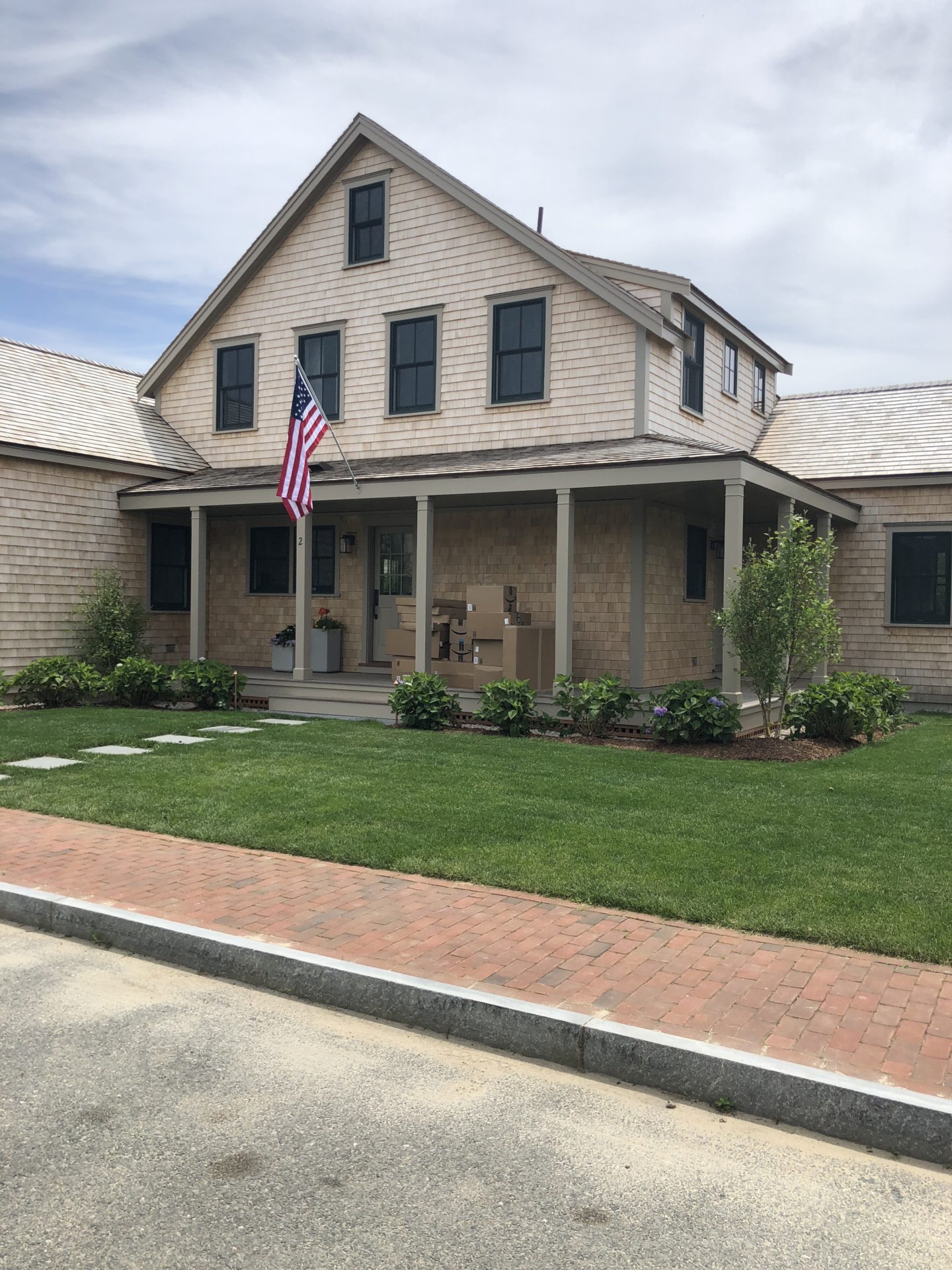
Building a custom home on Nantucket means balancing timeless design with the island’s unique environmental and regulatory challenges. To future-proof your home here, you must prioritize resilient construction methods that withstand coastal weather, incorporate energy-efficient systems, and strictly adhere to Nantucket building codes and preservation guidelines. This approach ensures your investment honors the island’s heritage while remaining functional and durable for decades.
When working with a Nantucket design-build firm like Mercatus Builders, you gain a partner with deep knowledge of local zoning, historic district renovations, and the permitting process for Nantucket homes. From early planning through final finishes, attention to detail and compliance are crucial to creating a luxury home that fits seamlessly into the landscape and withstands the test of time.
By understanding the demands of coastal construction and the island’s evolving regulations, you can protect your home against future environmental factors and preserve its value. Careful selection of materials and craftsmanship reflecting Nantucket architecture styles also play a vital role in maintaining both aesthetic integrity and modern comfort.
Foundations of Future-Proofing a Custom Home in Nantucket
Future-proofing your Nantucket custom home means integrating flexibility, durability, and compliance to safeguard your investment for decades. It involves considering evolving needs, environmental factors, and island-specific building standards to create a home that stands the test of time elegantly and responsibly.
Defining Future-Proofing for Modern Living
Future-proofing your home means designing and building with adaptability and resilience in mind. This includes planning for changes in family size, technology upgrades, and accessibility without costly renovations later. For Nantucket, it also requires ensuring your home withstands coastal weather and shifting climate conditions.
Key elements include:
- Flexible floor plans: Allow rooms to serve multiple uses or convert easily as your needs change.
- Energy efficiency: Incorporate sustainable technologies like solar panels, high-performance insulation, and efficient HVAC systems.
- Durable materials: Use weather-resistant, low-maintenance materials suited for salt air and humidity.
By embedding these features, you ensure your home remains functional, comfortable, and cost-effective long-term while respecting Nantucket’s architectural heritage.
Why Future-Proof Your Nantucket Home
Future-proofing is essential on Nantucket due to strict zoning rules, historical preservation standards, and coastal risks like flooding. Your home must align with local building codes while honoring the island’s aesthetic legacy. This proactive approach reduces the need for disruptive and expensive updates.
Considerations specific to Nantucket include:
- Compliance with Nantucket zoning tips and historic district regulations.
- Foundations engineered for flood resilience, such as elevated or pier and beam systems.
- Thoughtful craftsmanship that balances modern needs with the natural landscape.
Mercatus Builders specializes in guiding homeowners through this complex process, ensuring your build meets these demands with precision. Future-proofing your Nantucket home protects your investment, enhances sustainability, and preserves the island’s character through enduring design.
Schedule a consultation with Mercatus Builders to start building a coastal retreat that lasts.
Designing for Longevity and Flexibility
Building a custom home in Nantucket requires foresight to ensure your investment adapts gracefully to evolving needs. Incorporating flexible design elements and functional spaces allows your residence to serve you well over time. Thoughtful planning around workspace, family growth, and lifestyle shifts supports lasting comfort without extensive remodeling.
Adaptable Floor Plans and Multi-Use Spaces
Flexible floor plans offer versatility by allowing rooms to serve multiple purposes as your needs change. Consider open layouts that can easily be divided or combined with sliding doors or movable partitions. These configurations accommodate shifts such as turning a guest room into a hobby area or expanding entertaining space during gatherings.
Multi-use rooms reduce the need for additions, saving on future costs while maximizing function. Built-in storage and modular furniture enhance adaptability, letting you configure spaces quickly without permanent changes. This approach aligns well with Nantucket’s character by balancing practicality with elegance.
Home Office Solutions for Remote Work
A dedicated home office is essential as remote work becomes more common. Position your workspace in a quiet, well-lit area with natural light and good ventilation. Soundproofing and reliable wired internet connections are critical for uninterrupted productivity.
Design your home office to be easily reconfigured or repurposed, such as incorporating fold-away desks or movable walls. This flexibility allows the space to evolve if remote work decreases or if you need to accommodate guests. Thoughtful home office design future-proofs your home by blending daily functionality with adaptability.
Accommodating Growing Families and Changing Lifestyles
Planning for family growth or lifestyle changes means anticipating needs like additional bedrooms, flexible living areas, and accessible design elements. Incorporate rooms that can transition from nursery to study or guest space, reducing renovation demands.
Consider wider doorways, non-slip floors, and adaptable bathrooms to support aging in place or mobility needs. Designing with these features preserves value and comfort. Mercatus Builders specializes in creating custom homes that meet Nantucket’s stringent codes while anticipating your family’s future requirements. This thoughtful design strengthens your home’s long-term usability on the island.
Planning for Accessibility and Aging in Place
Ensuring your Nantucket custom home supports long-term livability means focusing on smooth movement, safety, and convenience. Thoughtful design choices will address mobility challenges and create a comfortable environment for all ages without compromising aesthetic or historic character.
Wider Doorways for Enhanced Mobility
Wider doorways significantly improve accessibility by allowing ease of movement for wheelchairs, walkers, or simply accommodating more room for daily use. Standard door widths often restrict traffic flow and cause difficulty as mobility changes over time.
You should plan for doorways at least 36 inches wide. This width balances accessibility with architectural integrity, especially important in historic district homes where proportion and detail matter. Wider doorways also benefit moving furniture and installing future upgrades without needing costly modifications.
Consider swing-clear hinges or pocket doors to maximize opening space without increasing overall wall width. These thoughtful solutions reflect the expertise Mercatus Builders brings to Nantucket homes, where historic appearance meets practical design.
Level Entryways and Smooth Transitions
Eliminating steps at entry points and ensuring even floor surfaces throughout the home reduces fall risk and improves wheelchair access. Level thresholds with minimal or no elevation changes support safer passage and simplify outdoor-indoor flow, crucial for coastal living where doorways often lead to porches or patios.
Plan for ramps or graded surfaces at all exterior entries. Inside, choose flooring materials and transition strips that provide seamless, non-slip paths between rooms. Avoid raised thresholds or thick carpet edges that may cause tripping hazards.
Your custom home should integrate these features subtly to respect Nantucket’s historic context. Mercatus Builders understands incorporating such modern accessibility elements without disrupting traditional architecture.
Safer Bathrooms and Kitchens
Bathrooms and kitchens require focused attention to safety and accessibility since these spaces pose the greatest risk for slips or awkward movements. Wide clearances around fixtures enable comfortable turning radius, especially useful if mobility aids become necessary.
Install grab bars near toilets and in showers, preferably mounted behind wall surfaces during framing for cleaner lines. Consider curbless, walk-in showers with built-in seating and handheld showerheads for ease of use.
In kitchens, design lower countertop sections and pull-out shelves for convenience. Lever handles on faucets and appliances enhance usability for those with limited grip strength. Anti-slip flooring and adequate lighting complement these measures for safer functionality.
Lighting Considerations for All Ages
Proper lighting addresses both safety and comfort as vision changes with age. Brighter, evenly distributed illumination reduces shadows and enhances visibility in all key areas—hallways, staircases, kitchens, and bathrooms.
Install layered lighting: overhead fixtures for general light, task lighting for specific activities, and nightlights for safe nighttime navigation. Dimmable controls and motion sensors improve energy efficiency and ease of use.
Use fixtures with low glare and high color rendering to maintain natural color perception. Thoughtfully placed windows and skylights increase daylight penetration, reflecting Nantucket’s light and coastal atmosphere while reducing dependence on artificial light.
Schedule a consultation with Mercatus Builders to tailor these accessibility upgrades for your Nantucket custom home. Their knowledge of local codes and historic regulations ensures your home remains functional, safe, and timeless.
Smart Technology Integration for a Connected Home
Integrating smart technology in your Nantucket custom home enhances convenience, security, and efficiency. Thoughtful selection and installation ensure your home adapts to changing needs while respecting the island’s historic character. The right infrastructure and devices work together seamlessly, maintaining comfort and control with minimal effort.
Smart Home Automation and Security
Your smart home should automate daily routines to save time and increase safety. Systems can manage lighting, locks, and surveillance cameras through mobile apps or voice commands, allowing remote control even when away from the island.
Security features such as motion detectors, smart doorbells with video, and automated alarms provide peace of mind suited to Nantucket’s coastal lifestyle. Integration lets you set schedules, like turning lights on at dusk or locking doors after hours, to mimic occupancy when you’re not home.
A well-planned automation system reduces risk without overtly impacting your home’s historical aesthetics, striking a balance between protection and preservation.
Energy-Efficient Appliances and Thermostats
Choosing energy-efficient appliances is key to controlling costs and environmental impact. Look for ENERGY STAR-rated models that conserve electricity and water without sacrificing performance.
Smart thermostats optimize temperature settings based on occupancy and weather patterns, reducing waste while maintaining comfort year-round. These devices can adapt to Nantucket’s fluctuating coastal climate, learning your preferences and automatically adjusting heating or cooling.
Pairing these appliances with your smart home system allows you to monitor energy use remotely and make adjustments to maximize efficiency.
Future-Ready Wiring and Infrastructure
Planning your home’s wiring during construction avoids costly upgrades later. Structured wiring supports high-speed internet, security systems, entertainment, and smart devices through a clean, centralized setup.
Pre-wiring for automation hubs and control panels allows easy integration of new technologies as they emerge, future-proofing your home against obsolescence. This approach preserves the crisp lines and classic finishes characteristic of Nantucket architecture, avoiding visible clutter from retrofits.
Consulting with your builder early on about wiring and networking ensures that your home’s technology backbone will meet both current demands and tomorrow’s innovations. Mercatus Builders specializes in this balance of modern convenience with Nantucket’s distinct building codes and preservation standards.
Sustainability and Energy Efficiency for Nantucket Living
Building or renovating on Nantucket means balancing historic preservation with modern energy standards. Effective insulation, renewable energy, and smart energy use will enhance comfort and reduce utility costs while respecting local building codes.
Maximizing Insulation and Building Envelope
Proper insulation is critical in Nantucket’s coastal climate to maintain indoor comfort and minimize heat loss. Focus on high-grade materials such as spray foam or dense-packed cellulose that seal gaps effectively.
A tight building envelope reduces drafts and moisture infiltration, which is essential for protecting your home’s structure. You should also consider advanced windows with low-emissivity coatings and insulated frames to bolster thermal performance.
Mercatus Builders prioritizes these elements to ensure homes meet Nantucket’s strict energy efficiency codes, helping reduce reliance on heating and cooling systems while preserving the architectural integrity of the island.
Harnessing Solar Panels and Renewable Energy
Though rooftop solar installation can be limited by local restrictions, solar remains a viable method for increasing sustainability on Nantucket. You can explore solar panel systems designed to maximize output within the available roof space and orientation.
If rooftop solar isn’t feasible, joining municipal programs like Nantucket PowerChoice allows you to use 100% green power without installing panels. This supports renewable energy adoption while circumventing physical constraints.
Integrating battery storage systems ensures you store excess energy for use during peak demand periods, further reducing your energy bills and the home’s carbon footprint while maintaining resiliency.
Strategies to Reduce Energy Bills
To cut energy costs, focus on efficient appliances, LED lighting, and heat pump technology for heating and cooling. Heat pumps specifically convert energy with higher efficiency than traditional systems, suitable for Nantucket’s moderate coastal weather.
Regular maintenance of HVAC systems and sealing ductwork also prevents energy waste. Insulation improvements combined with energy-efficient choices reduce monthly bills significantly.
Mercatus Builders can guide you through selecting systems and materials that honor Nantucket’s heritage while providing long-term savings through smart sustainability practices.
Frequently Asked Questions
Preparing a home to withstand Nantucket’s coastal conditions requires careful material selection, design choices, and efficient systems. Planning for durability, energy use, and maintenance ensures your investment retains value and harmony with the island’s environment.
What sustainable materials can I use for long-term durability in Nantucket’s climate?
Consider cedar or white oak for exterior cladding due to their natural resistance to moisture and salt air.
Fiber cement siding is another durable option that handles humidity and wind well without sacrificing aesthetic.
Use stainless steel fasteners and corrosion-resistant hardware to prevent rust.
How can smart home technology be integrated to increase a home’s value over time?
Integrate smart thermostats and lighting that optimize energy use and comfort remotely.
Security systems with cameras and automation enhance safety while appealing to modern buyers.
Systems that control irrigation and HVAC based on weather patterns reduce operational costs and environmental impact.
Which design features are considered timeless for a custom home in a coastal region?
Classical Nantucket architecture often includes shingle-style exteriors, symmetrical facades, and simple rooflines.
Incorporate deep porches and storm shutters to blend functionality with heritage.
Use neutral colors and natural materials that age gracefully in the coastal environment.
What measures can be taken to ensure a custom home is energy-efficient?
Install high-performance insulation tailored to coastal wind and humidity levels.
Select energy-star rated windows with thermal breaks to reduce heat loss and gain.
Consider solar panels in locations that do not compromise the historic character or zoning rules.
How should one approach landscaping in Nantucket to enhance property value?
Prioritize native plant species that tolerate salt spray, wind, and sandy soil.
Design low-maintenance, drought-resistant gardens to conserve water and minimize upkeep.
Use natural stone and reclaimed wood materials to reinforce a seamless connection with the island’s landscape.
What are the best practices for maintaining a seaside home to prevent weather and saltwater damage?
Inspect and repaint exterior surfaces every few years with marine-grade coatings.
Regularly rinse exterior wood and metal elements with fresh water to remove salt buildup.
Maintain gutters and drainage systems to prevent water intrusion and foundation issues.
Mercatus Builders can guide you through applying these best practices while respecting Nantucket building codes and historic district standards. Schedule a consultation to start your custom coastal project thoughtfully.