Essential Insights on Home Renovation Costs Explored
October 9th, 2025 | by mercatus_edits | Posted in Uncategorized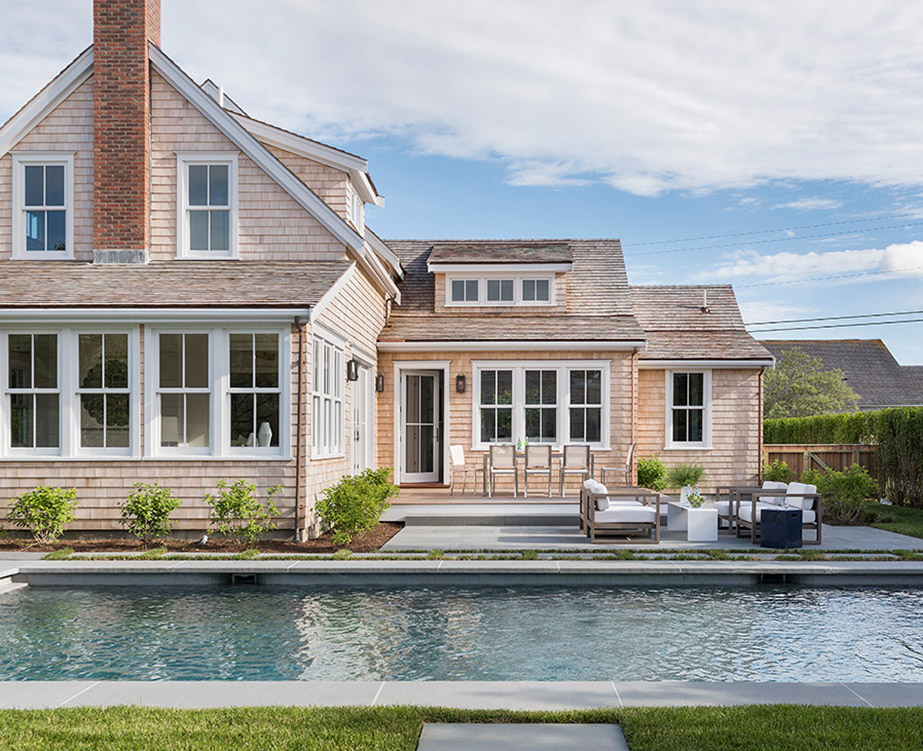
Exploring Key Factors That Determine the Cost of Your Home Renovation Project
A detailed renovation budget begins with understanding what factors influence the overall cost of my home renovation project—and nowhere is this clearer than on Nantucket, where project scope, materials, labor, permits, and local conditions intertwine to shape final expenses. Property owners, architects, and developers must navigate design complexity, premium finishes, site constraints, and financing strategies to establish realistic budgets and avoid costly surprises. In this guide, we define each major cost driver, explore Nantucket’s island-specific impacts, examine luxury and historic preservation expenses, outline budgeting best practices, uncover hidden fees, review financing implications, and preview Mercatus Builders’ approach to transparent cost management. By mapping project scope, material quality, labor rates, permit obligations, contingency planning, and ROI optimization, you’ll gain a comprehensive roadmap to control renovation costs and partner effectively with a trusted Nantucket builder.
What Are the Main Factors Influencing Home Renovation Costs?
Home renovation costs stem from four core elements—project scope and design complexity, material selection and quality, labor and professional fees, plus permits, regulations, and site conditions—each contributing to the overall budget and timeline.
How Does Project Scope and Design Complexity Affect Renovation Costs?
Project scope defines the scale of improvements—from a single bathroom update to a full-house transformation—while design complexity determines the extent of structural modifications, custom features, and engineering requirements. Larger footprints or open-plan conversions increase demolition, framing, and systems-integration work, driving labor hours and material volumes higher. When incorporating vaulted ceilings, structural steel, or custom millwork, engineering consultations and specialized subcontractors become essential. For example, converting an attic into a living suite demands roof reinforcement, insulation upgrades, and stair installation, adding 15–25 percent to a basic finish cost. Defining clear scope parameters and identifying design challenges early reduces scope creep and aligns expectations for both clients and Mercatus Builders.
What Role Does Material Selection and Quality Play in Budgeting?
Material choices directly impact aesthetic appeal, durability, and maintenance costs. High-end finishes command premium pricing, while sustainable or reclaimed options may require additional sourcing efforts. Comparing common renovation materials reveals variations in cost and longevity:
| Material Type | Cost Range per sq ft | Durability & Aesthetic |
|---|---|---|
| Hardwood Flooring | $8–$15 | High durability, classic warmth |
| Engineered Stone Countertops | $50–$120 | Stain-resistant, premium look |
| Custom Cabinetry | $200–$500 linear ft | Bespoke design, lasting quality |
Selecting mid-range engineered wood and solid surface countertops can reduce costs by up to 30 percent while maintaining attractive finishes. Understanding these trade-offs early ensures alignment between desired quality and available budget.
How Do Labor and Professional Fees Influence Your Renovation Budget?
Labor generally represents 50–60 percent of total renovation expenses, influenced by contractor rates, specialty trades, and project management fees.
Key professionals include:
- General Contractor: Coordinates all trades, oversees schedule, typically 10–20 percent of project cost.
- Electrician: Installs wiring and fixtures, $75–$150 per hour depending on complexity.
- Plumber: Updates piping and fixtures, $80–$160 per hour for code-compliant installations.
- Carpenter/Millworker: Constructs framing and custom elements, $50–$100 per hour.
Engaging experienced crews ensures quality workmanship and fewer delays, but premium rates on Nantucket—due to limited workforce—can raise labor costs by 10–15 percent above mainland averages. Transparent fee breakdowns from Mercatus Builders help clients anticipate labor investments and schedule milestones.
Why Are Permits, Regulations, and Site Conditions Important Cost Factors?
Permitting processes and site constraints add administrative fees and project contingencies. Common permit types include building, electrical, plumbing, and historic district approvals, which on Nantucket typically range from $500 to $2,500 each. Site conditions—such as sloping terrain, oyster shell foundations, or flood-zone requirements—can necessitate soil testing, engineered footings, and elevated structural work. Projects within a historic district require design review and materials approval by local commissions, potentially extending timelines by 4–8 weeks. Early coordination with Nantucket’s planning department and proactive site assessments reduce approval delays and unexpected cost escalations.
How Do Nantucket-Specific Conditions Affect Home Renovation Costs?
What Impact Do Island Logistics and Material Sourcing Have on Costs?
Island logistics increase lead times and freight charges for materials shipped by barge or ferry. Bulk building supplies may incur 10–20 percent premium, while specialty items—such as reclaimed timbers or imported stone—can carry an additional 25–40 percent handling fee. Coordination of delivery schedules with limited dock availability and weather-dependent transport windows also demands buffer time in project schedules. Consolidating orders and working with local suppliers when possible can mitigate some surcharges, but clients should plan for extended procurement timelines and higher shipping expenses.
How Do Nantucket Building Codes and Historic District Regulations Influence Budgets?
Nantucket’s stringent zoning bylaws and historic district guidelines safeguard architectural heritage but impose design constraints and review fees. Specific requirements include roof pitch standards, cedar-shingle siding, and period-appropriate window styles. Historic district approvals often require detailed material samples and elevations, adding architectural fees and potential redesign rounds. Compliance with these codes may increase material costs by 5–15 percent and extend permitting by several weeks, but adherence preserves island character and can ultimately enhance property value.
What Are the Characteristics of the Nantucket Labor Market and Contractor Rates?
The local labor pool on Nantucket comprises a small community of skilled tradespeople who command higher rates due to seasonal demand and limited availability. Peak construction seasons (spring–fall) can see premium surcharges of up to 20 percent for skilled carpenters and plumbers. Reliance on mainland specialists for certain systems or finishes incurs travel and lodging costs, adding 5–10 percent to labor fees. Early engagement and fixed-price agreements with Mercatus Builders can secure reliable crews at competitive rates and minimize the impact of seasonal fluctuations.
What Are the Unique Cost Considerations for Luxury and Historic Home Renovations?
Luxury and preservation projects introduce specialized materials, craftsmanship, and regulatory layers that distinguish their cost profiles from standard renovations.
How Do Luxury Finishes and Custom Features Affect Renovation Expenses?
Luxury renovations emphasize bespoke millwork, stone veneers, high-end appliances, and integrated home automation. Custom features such as hand-carved mantels, imported marbles, and architectural lighting elevate budgets by 20–50 percent over standard finishes. Key investments include:
- Premium stone countertops at $100–$250 per sq ft.
- Custom cabinetry with exotic veneers at $400–$750 per linear ft.
- Smart-home systems with integrated wiring and controls at $30,000+.
These enhancements add tangible lifestyle value and market appeal but require meticulous coordination among trades and vendors to deliver on time and within budget.
What Challenges and Costs Are Involved in Historic Home Preservation Projects?
Historic preservation projects demand period-appropriate materials, specialized craftsmanship, and compliance with preservation standards. Challenges include:
- Sourcing reclaimed siding, windows, and hardware that match original architecture.
- Engaging preservation carpenters skilled in traditional joinery and millwork.
- Meeting preservation commission guidelines for minimal alteration to historic fabric.
These factors can increase material and labor costs by 30–60 percent compared to modern renovations. However, preserving historic integrity can qualify properties for tax incentives and grant programs that offset some expenses.
How Does Mercatus Builders Manage Costs in Luxury and Historic Renovations?
Mercatus Builders leverages deep knowledge of Nantucket’s building traditions to streamline procurement of specialty materials and coordinate skilled craftsmen. By integrating cost-control strategies—such as phased material ordering, value engineering of custom elements, and transparent budget tracking—Mercatus Builders delivers high-value luxury and preservation projects with predictable expenses. A recent historic bungalow restoration maintained original millwork while limiting budget overages to under 5 percent through early condition assessments and collaborative design solutions.
How Can You Create and Manage a Realistic Renovation Budget?
Developing a realistic budget combines detailed planning, thorough cost estimating, and disciplined expense management to keep a renovation on track.
What Steps Are Essential for Building an Accurate Renovation Budget?
Creating a renovation budget requires these critical steps:
- Define project scope with clear deliverables and finish levels.
- Collect multiple bids from qualified contractors and specialty trades.
- Itemize materials by type, grade, and supplier costs.
- Estimate permit and regulatory fees based on local code requirements.
- Allocate labor costs per trade and factor in seasonal rate variations.
Following this structured process ensures comprehensive coverage of expected expenses and aligns project priorities with available funding.
Why Is a Contingency Fund Critical for Home Renovation Projects?
A contingency fund—typically 10–20 percent of the total budget—accounts for unforeseen conditions and design changes. Common triggers for contingency use include hidden structural damage, outdated wiring or plumbing requiring system upgrades, and cost fluctuations in materials due to supply-chain volatility. Establishing a reserved contingency prevents project stalls and provides flexibility to address surprises without exceeding overall budget allowances.
How Can You Maximize Return on Investment (ROI) in Your Renovation?
Focusing renovation dollars on high-impact areas enhances resale value and occupant satisfaction. Key ROI strategies include:
- Prioritizing kitchen and bathroom upgrades, which recoup 60–80 percent of costs.
- Investing in energy-efficient windows, insulation, and HVAC systems to reduce operating expenses.
- Selecting durable, low-maintenance materials that appeal to future buyers.
By aligning aesthetic improvements with functional upgrades, property owners achieve both immediate enjoyment and long-term financial returns.
What Are Common Hidden and Unexpected Costs in Home Renovations?
Anticipating hidden expenses and minimizing surprises are essential to maintaining budget discipline and avoiding timeline disruptions.
How Do Older Homes Increase Renovation Expenses?
Renovations of older homes often reveal outdated electrical wiring, deteriorated framing, and hidden moisture damage. Updating knob-and-tube wiring to modern code, replacing water-damaged joists, or repairing original plaster walls can add 10–30 percent to initial cost estimates. Early condition surveys and selective test cuts help identify these issues before construction begins, reducing the likelihood of last-minute scope increases.
What Are Typical Hidden Fees Related to Permits and Inspections?
Permit and inspection fees may vary based on project valuation and regulatory jurisdiction. Beyond base permit costs ($500–$2,500), additional expenses can include plan-review surcharges, impact fees, and multiple inspection re-submissions. On Nantucket, projects in flood zones or historic districts often require elevation certificates and specialized review services, adding $1,000–$3,000. Incorporating permit fees into the preliminary budget prevents surprises during permitting milestones.
How Can You Prepare for and Mitigate Unexpected Renovation Expenses?
Proactive strategies to mitigate hidden costs include:
- Conducting comprehensive site and structural assessments before finalizing design.
- Reserving a contingency fund of at least 10 percent.
- Prioritizing essential system upgrades (electrical, plumbing, HVAC) early in the schedule.
- Building strong communication channels between clients, designers, and contractors.
These measures foster transparency, reduce change orders, and safeguard overall budget integrity.
How Does Financing Affect Your Home Renovation Budget?
Financing structures influence cash flow, overall project expense, and long-term investment returns when renovating on Nantucket.
What Financing Options Are Available for Home Renovations on Nantucket?
Homeowners can access various funding solutions:
- Home equity loans or lines of credit, offering fixed or variable interest rates.
- FHA 203(k) renovation loans, combining purchase and repair costs into one mortgage.
- Personal loans with shorter terms and fixed interest for smaller projects.
- Specialty preservation grants or low-interest programs for historic properties.
Evaluating each option’s terms and fees helps align financing costs with project timelines and budget requirements.
How Do Financing Costs Influence Overall Renovation Expenses?
Interest rates, origination fees, and repayment schedules directly affect total project outlay.
A 5 percent interest rate on a $200,000 renovation loan over 10 years adds approximately $52,000 in financing charges.
Shorter-term loans reduce total interest but increase monthly obligations, while longer amortization lowers payments yet increases overall cost. Factoring financing expenses into the budget right away ensures accurate cash-flow planning and prevents funding shortfalls mid-project.
What Should You Expect from Mercatus Builders in Managing Renovation Costs?
Partnering with Mercatus Builders means benefiting from transparent processes, disciplined cost control, and local expertise honed on Nantucket’s unique building landscape.
How Does Mercatus Builders Ensure Transparency and Cost Control?
Mercatus Builders integrates detailed cost breakdowns into every proposal, uses cloud-based project management tools for real-time budget tracking, and schedules regular client reviews to address questions immediately. This structured approach fosters trust, identifies potential overruns early, and maintains alignment between design changes and budget adjustments.
What Do Client Testimonials Reveal About Cost Management?
Clients consistently praise Mercatus Builders for clear communication of expenses, proactive identification of hidden issues, and adherence to agreed-upon budgets. Homeowners report confidence in the firm’s ability to balance high-quality craftsmanship with cost-effective solutions, resulting in timely project delivery and minimal surprises.
How Do Mercatus Builders’ Renovation Projects Reflect Cost Efficiency and Quality?
From kitchen remodels delivering high-end finishes within 5 percent of estimates to historic preservation projects completed on schedule and under projected contingencies, Mercatus Builders demonstrates that disciplined planning, local sourcing strategies, and deep knowledge of Nantucket’s regulatory environment produce renovations that are both budget-conscious and exceptional in quality.
Property owners working with Mercatus Builders gain clarity on what drives renovation costs, confidence in managing budgets, and partnership with a builder committed to integrity, heritage, and timely completion. By combining detailed cost analysis, Nantucket-specific expertise, and proactive communication, you can embark on your home renovation project fully prepared and assured of quality outcomes.