Energy-Efficient Custom Homes Nantucket Building Sustainable and Cost-Effective Living Spaces
September 21st, 2025 | by mercatus_edits | Posted in Uncategorized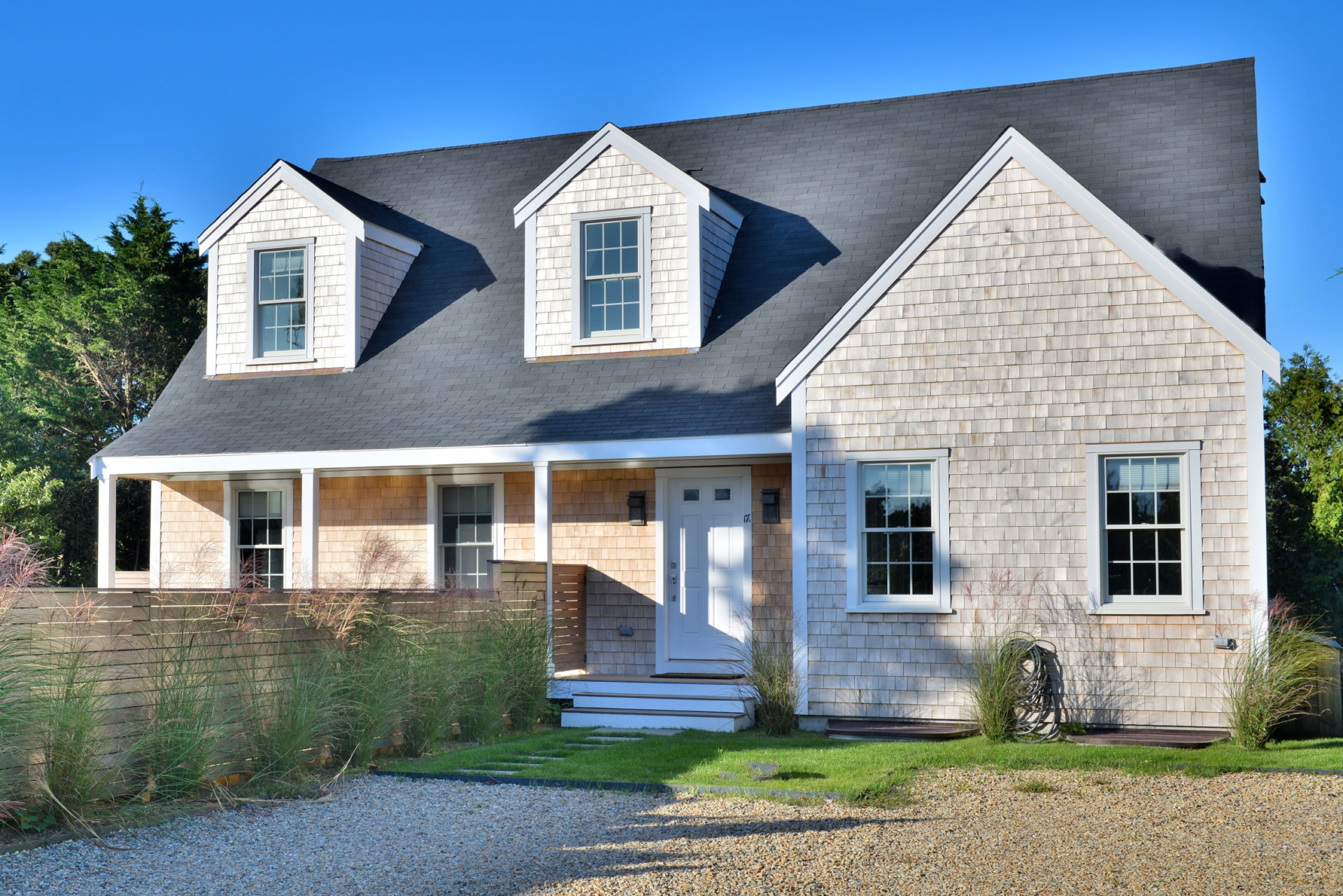
Building an energy-efficient custom home on Nantucket means creating a residence that honors the island’s unique heritage while responding to modern demands for sustainability and comfort. Energy efficiency here goes beyond saving on utility bills; it integrates thoughtful design, advanced systems, and materials that respect Nantucket’s strict building codes and conservation priorities. This approach ensures your home remains as timeless as the island itself, blending seamlessly with its coastal environment.
When working with Mercatus Builders, you benefit from a team deeply familiar with Nantucket zoning tips, historic district regulations, and the permitting process for Nantucket homes. Their expertise allows you to achieve a well-crafted balance between energy-saving technology and the island’s architectural character. Whether restoring a historic home or building new, your project will reflect both craftsmanship and the highest standards of sustainability.
Your investment in an energy-efficient Nantucket home supports long-term comfort and value, protects the environment, and honors the island’s legacy. With thoughtful planning and skilled hands-on project management, Mercatus Builders helps you navigate every step to ensure that your custom home meets today’s energy demands without compromising Nantucket’s timeless charm.
Key Benefits of Energy-Efficient Custom Homes in Nantucket
Building an energy-efficient custom home on Nantucket offers tangible savings, greater comfort, and a smaller environmental footprint. These homes also protect your investment by adhering to local conditions and enhancing long-term value. Understanding how these factors intersect can help you make informed decisions when designing or renovating your Nantucket residence.
Lower Energy Costs and Enhanced Comfort
Energy-efficient homes significantly reduce your monthly utility expenses by using superior insulation, high-performance windows, and modern HVAC systems designed for Nantucket’s unique climate. Efficient heat pumps and heat recovery ventilators maintain consistent indoor temperatures without excess energy consumption.
You will notice more even heating and cooling throughout the year, reducing cold drafts in winter and minimizing overheating in summer. These improvements lead to a quieter, more stable environment that better supports your lifestyle. Partnering with a knowledgeable Nantucket custom home builder like Mercatus Builders ensures that energy-saving features are properly integrated without compromising architectural style.
Environmental Impact and Sustainability
Choosing eco-friendly materials and sustainable building methods directly lowers your home’s carbon footprint. Energy-efficient homes reduce greenhouse gas emissions by minimizing reliance on fossil fuels and limiting waste during construction.
By incorporating solar technology, energy-efficient lighting, and water-saving fixtures, you contribute to Nantucket’s larger efforts toward environmental stewardship. These choices support the island’s conservation goals while reducing the impact of modern living on its sensitive coastal ecosystem. A home built with thoughtful sustainability in mind also qualifies for potential tax incentives or grants geared toward energy conservation.
Improved Home Value and Resale Potential
Energy-efficient design is increasingly sought after in Nantucket’s competitive real estate market. Such homes command higher property values because buyers recognize the benefits of lower operating costs and modern comfort.
Homes that comply with the latest Nantucket building codes and energy standards often attract stronger buyer interest and shorter sale times. By investing in these features upfront, you protect your home’s value over time and enhance its appeal to environmentally conscious buyers or second-homeowners. Mercatus Builders can guide you through integrating energy efficiency without losing the timeless aesthetic that defines Nantucket design.
Adaptation to Nantucket’s Coastal Climate
Nantucket’s coastal weather poses challenges like sea breezes, salt air, and fluctuating humidity. Energy-efficient homes are designed with these factors in mind, using durable, moisture-resistant materials and tightly sealed building envelopes.
Strategic window placement and shading reduce cooling loads, while robust insulation retains heat during cold, windy winters. These measures improve your home’s resilience to weather extremes and utility outages, ensuring comfort and safety year-round. Incorporating these adaptations meets both Nantucket zoning tips and conservation rules, preserving your home’s integrity against the island’s natural elements.
Designing and Building Energy-Efficient Custom Homes
Creating an energy-efficient home on Nantucket requires careful planning, collaboration with local experts, and adherence to specific island regulations. Your approach must balance sustainability with the unique historical and environmental context of the island to ensure lasting performance and compliance.
Initial Planning and Needs Assessment
Begin by defining your energy efficiency goals alongside your lifestyle needs. Consider factors like solar orientation, insulation levels, and high-performance windows to reduce heating and cooling loads, which is vital given Nantucket’s coastal climate.
Custom modular homes offer streamlined construction while maintaining flexibility in design and performance. They can improve energy efficiency through precise factory-built components. Early engagement with your builder ensures these elements align with your priorities, such as durable materials suited for salt air and winter storms.
Map out energy-saving technologies you want included—like heat recovery ventilation or smart home systems—and assess how they fit your budget. A thorough needs assessment sets a clear framework, reducing unexpected costs and ensuring the home meets your performance expectations from day one.
Working With Local Builders and Experts
Partnering with a Nantucket design-build firm such as Mercatus Builders connects you with professionals who understand local climate challenges and the island’s architectural heritage. They guide you through selecting sustainable materials and modular construction techniques tailored to your site.
Experienced builders facilitate integration of energy-efficient features like advanced insulation, efficient HVAC systems, and sealed building envelopes. Their hands-on project management helps avoid costly delays common to coastal construction.
Consult with energy auditors and architects familiar with Nantucket’s environment to optimize design choices early. This collaborative approach ensures your custom home maximizes comfort and efficiency while honoring local aesthetics and building standards.
Navigating Nantucket’s Building Regulations
Nantucket’s strict zoning and historic preservation codes shape how energy-efficient homes are designed and built. You must navigate guidelines concerning rooflines, exterior materials, and window styles—especially in the historic district where alterations require review.
Renewable energy installations, such as solar panels, often face specific restrictions related to visibility and placement. Securing the necessary permits involves submitting detailed plans that demonstrate compliance with both energy efficiency goals and Nantucket building codes.
Working with Mercatus Builders means leveraging their deep knowledge of permitting processes for Nantucket homes. They streamline approvals by balancing modern energy performance with respect for the island’s architectural legacy, ensuring your build proceeds smoothly within regulatory frameworks.
Features and Technologies That Maximize Efficiency
To optimize energy performance in your Nantucket custom home, focus on materials and systems that improve insulation, ventilation, and energy management. These elements work together to reduce energy waste while maintaining comfort and respecting local building standards.
High-Performance Insulation and Windows
Your home’s thermal envelope is critical for energy savings. Using high-performance insulation with a high R-value helps minimize heat loss in winter and keeps interiors cool in summer. Materials such as spray foam or rigid foam board perform well in coastal climates by sealing gaps that typical insulation might miss.
Windows should be double- or triple-glazed with low-emissivity coatings to reduce heat transfer. Properly oriented and sized windows maximize natural light without excess heat gain. You can also choose window frames made from durable, energy-efficient materials like fiberglass or vinyl.
Both insulation and windows must comply with Nantucket building codes and conservation guidelines, ensuring energy efficiency without compromising the island’s historic character.
Advanced HVAC and Ventilation Systems
Modern heating, ventilation, and air conditioning (HVAC) systems tailored to Nantucket’s climate provide precise comfort with less energy. Heat pumps, including cold-climate models, can efficiently heat and cool your home while reducing reliance on fossil fuels. Zoned HVAC systems allow temperature control in different areas to avoid unnecessary energy use.
Balanced ventilation systems with heat recovery ventilators (HRVs) or energy recovery ventilators (ERVs) improve indoor air quality without letting conditioned air escape. These units are especially valuable in tight, well-insulated homes, maintaining a fresh environment while conserving energy.
Integrating these systems into your custom home design requires attention to local zoning requirements and existing architectural elements, something Mercatus Builders understands well.
Smart Home Integration for Energy Management
Smart technology allows you to monitor and control your home’s energy use in real time. Programmable thermostats optimize heating and cooling schedules based on your occupancy, cutting down on wasted energy. Lighting systems with motion sensors and dimmers reduce electricity consumption effectively.
Smart meters and energy monitoring apps provide detailed feedback on power usage, helping you make informed adjustments. Integration with solar panels or battery storage systems enhances energy independence while managing load demand.
For Nantucket homes, combining smart home technology with traditional craftsmanship ensures a seamless blend of modern convenience and island heritage. This approach enables you to maintain comfort while honoring your home’s setting and regulations. For more on energy-efficient technologies, view this detailed guide.
Modular Homes: A Pathway to Energy Efficiency on Nantucket
Choosing a modular home on Nantucket offers a precise balance between design flexibility and energy performance. The construction process, customized features, and quality oversight deliver homes that meet the island’s stringent building codes and sustainability goals.
Understanding Modular Home Construction
Modular construction involves building your home in sections at a factory before assembling them on-site. This controlled environment ensures consistent insulation, tight sealing, and superior moisture control, which are essential for Nantucket’s coastal climate.
Because the modules are produced indoors, weather delays are minimal. This protects building materials from exposure, reducing risks of warping or mold. Energy-efficient windows, advanced HVAC systems, and sustainable materials are integrated as part of the process. The focus is on reducing thermal bridging and maximizing airtightness to keep energy usage low.
Mercatus Builders uses this method to balance modern energy efficiency with respect for Nantucket’s architectural heritage. This ensures your custom modular home aligns with local zoning requirements and conservation standards.
Advantages of Custom Modular Homes
Custom modular homes give you the luxury of personalization without sacrificing efficiency. You select from energy-conscious features such as:
- Triple-pane windows with Low-E coatings
- High-performance insulation in walls and roof
- Heat pump systems for heating and cooling
- Energy recovery ventilators for fresh air without heat loss
This approach delivers measurable savings on monthly energy bills. You’ll also benefit from a home designed with Nantucket’s unique environmental needs in mind—resisting humidity, salt air, and strong winds.
Additionally, modular designs simplify permitting and inspections on the island. Mercatus Builders leverages their local expertise to navigate Nantucket building codes efficiently, streamlining your project while maintaining craftsman-level attention to detail.
Modular Construction Timelines and Quality Control
One key advantage of modular construction is the accelerated build timeline. Building components in a factory can reduce your overall schedule by several months compared to traditional construction. This is crucial given Nantucket’s limited building season and permitting process.
Quality control is enforced at each stage inside the factory. Skilled technicians perform rigorous inspections on structure, insulation, and finishes before modules leave the facility. This controlled method limits material waste and improves consistency.
Once transported to your site, modules are quickly assembled, allowing rapid installation of windows, doors, and final exterior finishes. This minimizes on-site disruptions and protects your investment against Nantucket’s unpredictable weather.
By choosing a custom modular home, you ensure a faster, cleaner build with high standards of energy efficiency tailored to the island’s exacting environment. Schedule a consultation to start your Nantucket build with this forward-thinking approach.
Sustainable Materials and Building Practices
Building on Nantucket demands thoughtful material choices and construction methods that balance durability, energy performance, and respect for the island’s heritage. Every decision impacts the home’s efficiency, environmental footprint, and longevity in this coastal environment.
Eco-Friendly Building Materials
You want materials that perform well in Nantucket’s salty air, high humidity, and strong winds while reducing environmental impact. Sustainable options include reclaimed wood, which retains the character of historic homes while minimizing waste. Locally sourced stone and low-VOC paints help maintain air quality and blend seamlessly into the island’s aesthetic.
Insulated concrete forms (ICFs) and structural insulated panels (SIPs) offer superior thermal performance, lowering your home’s heating and cooling needs. These materials enhance airtightness and reduce energy consumption, key for meeting Nantucket building codes focused on efficiency. By choosing natural, durable materials, you invest in longevity and comfort without sacrificing style.
Water Conservation Solutions
Water scarcity and stormwater management are critical on Nantucket. Integrating low-flow faucets, dual-flush toilets, and tankless water heaters reduces your household water use effectively. Rainwater harvesting systems can supplement irrigation while easing the strain on local supplies.
Permeable paving materials and strategically designed landscaping help manage runoff and minimize erosion. Incorporating native, drought-tolerant plants reduces irrigation needs and keeps your property aligned with Nantucket’s conservation goals. Thoughtful water management not only supports sustainability but also reduces your utility expenses over time.
Waste Minimization During Construction
Minimizing construction waste is essential to protect Nantucket’s fragile environment and comply with local regulations. You can reduce waste by carefully planning material orders and choosing prefabricated components to limit onsite cuts and scraps.
Mercatus Builders emphasizes salvage and recycling programs, diverting materials from landfills wherever possible. On-site waste sorting and partnering with local recycling facilities mitigate environmental impact. Reducing waste during your build creates a cleaner site, shortens construction timelines, and demonstrates responsible stewardship of Nantucket’s natural resources.
Frequently Asked Questions
Energy-efficient homes on Nantucket blend durable materials with advanced technologies to withstand coastal conditions. Thoughtful design maximizes energy savings while honoring the architectural heritage and strict local regulations. You need to understand how renewable systems, insulation, and ventilation interact with the island’s unique climate for optimal performance.
What are the key features of an energy-efficient home in a coastal environment like Nantucket?
You should focus on high-performance windows and doors that resist salt air corrosion and strong winds. Using materials that tolerate moisture and fluctuating temperatures helps maintain durability and efficiency.
A tightly sealed building envelope paired with controlled ventilation reduces energy loss. Energy Star-rated HVAC systems and heat pumps are essential for consistent comfort with lower energy use.
How can one incorporate renewable energy sources into a custom home design in Nantucket?
Solar panels are a viable option for most Nantucket homes, supported by local acceptance of clean energy installations. Position panels for maximum sun exposure while respecting historic district visual guidelines.
Battery backup systems paired with solar installations provide resilience during island power outages. You might also consider heat pump hot water heaters as part of a renewable strategy.
What are the best practices for insulation and ventilation in Nantucket’s climate to enhance energy efficiency?
Use spray foam or rigid insulation with high R-values to prevent heat loss and moisture intrusion, crucial in the island’s humid coastal environment. Insulating exterior walls and roofs thoroughly is paramount.
Balanced mechanical ventilation with heat recovery ventilators (HRVs) ensures fresh air without energy waste. Proper airflow prevents mold and preserves indoor air quality.
How does Nantucket’s climate and location impact the choice of energy-efficient materials for home construction?
Materials must resist salt spray, wind, and humidity to avoid premature wear. Durable sidings like fiber cement or treated wood are preferred over less resistant options.
You’ll want finishes and structural systems that maintain energy performance despite harsh coastal conditions. This approach reduces maintenance and protects your investment.
What incentives or rebates are available for building energy-efficient custom homes in Nantucket?
Massachusetts offers various incentives for energy-efficient upgrades, including solar tax credits and rebates through state programs. These can reduce upfront costs for systems like solar panels and heat pumps.
Check with local town offices or your builder for the latest information on applicable programs before starting your project.
Can historic home renovation in Nantucket include energy-efficient upgrades, and if so, what are the guidelines?
Yes, but all upgrades must comply with Nantucket’s Historic District Commission regulations. Changes should preserve architectural integrity while improving energy performance.
You may incorporate discreet insulation, efficient windows with historic profiles, and modern HVAC systems designed to blend seamlessly. Mercatus Builders specializes in navigating these guidelines with care and expertise.