Eco-Friendly Custom Home Building in Cape Cod: Sustainable Design and Construction Insights
July 16th, 2025 | by mercatus_edits | Posted in Uncategorized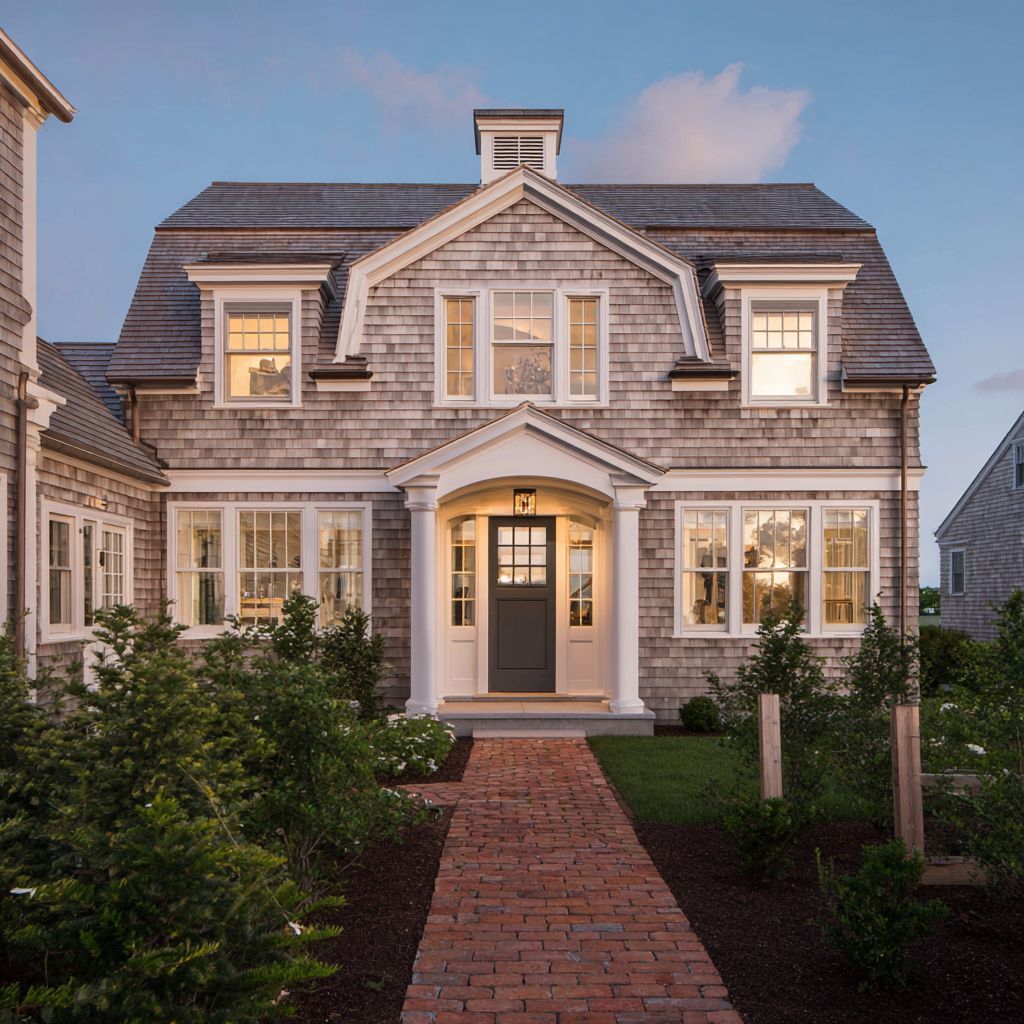
Building an eco-friendly custom home on Cape Cod means more than choosing sustainable materials—it requires a thoughtful approach to design, local regulations, and lasting craftsmanship. An environmentally responsible home blends energy efficiency, sensible use of resources, and respect for the coastal landscape to create a comfortable, durable living space aligned with Cape Cod’s unique character.
Navigating the complexities of green building on Cape Cod involves understanding local codes, conservation rules, and the best practices for minimizing environmental impact while maximizing comfort and style. As you plan your project, working with a builder like Mercatus Builders who balances modern sustainability with traditional craftsmanship ensures your home honors the region’s heritage while embracing today’s ecological standards.
Whether you are building a new coastal retreat or restoring an older property, this approach provides reliable long-term value and peace of mind. Your eco-friendly custom home will not only perform efficiently but also blend seamlessly with Cape Cod’s distinctive setting, reflecting both your values and the area’s timeless beauty. Learn how to integrate these principles in your next build to achieve quality, compliance, and sustainability.
Key Principles of Eco-Friendly Custom Home Building in Cape Cod
Building an eco-friendly custom home in Cape Cod requires a careful balance of design, materials, and energy use. Prioritizing sustainability helps protect the region’s unique coastal environment while ensuring your home performs efficiently throughout its lifespan.
Sustainable Design Strategies
To build sustainably, begin with site-sensitive design that respects Cape Cod’s coastal features and local zoning regulations. Orient your home to maximize natural light and ventilation. This reduces reliance on artificial lighting and mechanical cooling.
Incorporate durable, low-maintenance elements that withstand salt air, wind, and moisture. Consider rainwater harvesting and native landscaping to reduce water consumption and erosion on your lot.
Design flexibility is essential. Spaces should adapt to changing needs while minimizing waste during construction. Ventilation systems paired with high-performance insulation keep interiors comfortable year-round without excessive energy use.
Energy Efficiency Best Practices
Energy efficiency is central to eco-friendly homes. Use ENERGY STAR rated windows and doors to limit heat loss in winter and heat gain in summer. High-quality insulation in walls, roofs, and floors further enhances thermal performance.
Install solar panels or solar-ready infrastructure where local regulations permit. Heat pumps provide reliable, energy-saving heating and cooling suited for Cape Cod’s climate.
Smart home technology can optimize energy use by regulating lighting, temperature, and appliance schedules. This lowers utility bills and reduces your carbon footprint over decades.
Mercatus Builders emphasizes long-term savings by integrating these efficient systems during construction, tailored to the local weather and building codes.
Benefits of Eco-Friendly Materials
Choosing eco-friendly materials impacts both your home’s health and the environment. Prioritize sustainably sourced wood, recycled steel, and low-VOC paints to minimize toxins and reduce resource depletion.
Local materials support Cape Cod’s economy and reduce transportation emissions. For example, using reclaimed timber aligns with preserving the island’s architectural heritage while promoting resource conservation.
Materials with high durability and low maintenance reduce lifecycle costs. By selecting products designed for longevity and resistance to coastal weather, you ensure your home remains sound with fewer repairs.
These thoughtful choices align with the expertise Mercatus Builders brings to each Nantucket and Cape Cod custom home, marrying tradition with responsible construction.
Planning and Designing an Eco-Friendly Custom Home
Effective planning begins by understanding the unique environment, local styles, and modern technologies that can enhance your home’s sustainability. Making informed choices early ensures your home respects Cape Cod’s charm while optimizing energy use and environmental impact.
Choosing the Right Location and Site
Selecting a site on Cape Cod requires careful consideration of local soil, water drainage, and exposure to coastal winds. Position your home to maximize natural sunlight for passive heating and cooling, reducing reliance on artificial systems. Pay close attention to natural vegetation and protect existing trees to preserve the ecosystem and improve insulation.
You should also factor in proximity to essential services and community resources, balancing convenience with environmental sensitivity. Avoid disturbing wetlands or protected areas, as Cape Cod’s strict conservation regulations may limit construction options. Engaging a builder familiar with local zoning and environmental rules, such as Mercatus Builders, can help you navigate these constraints efficiently.
Selecting Cape Cod Architectural Styles
Your home’s design should reflect the region’s historical and coastal heritage, embracing classic elements like pitched roofs, shingle siding, and subdued color palettes. These features are not just aesthetic but functional: steep roofs shed snow and rain effectively, and natural wood materials can improve thermal performance and durability.
Integrate traditional styles with modern eco-friendly materials like reclaimed wood, recycled metal, and low-VOC paints. This blend respects Nantucket’s architectural lineage while enhancing your home’s sustainability. Choose designs that reduce heat loss and support natural airflow, such as deeper eaves and strategically placed windows, to reduce energy consumption year-round.
Incorporating Green Features and Smart Technologies
Incorporate energy-efficient systems such as solar panels, geothermal heating, and advanced insulation to minimize your carbon footprint. Smart home technologies allow you to control lighting, HVAC, and water use remotely, optimizing resource management without sacrificing comfort.
Use eco-friendly materials that have low embodied energy and long lifespans. Consider installing rainwater harvesting systems and native landscaping to reduce irrigation demands. Partnering with a seasoned Nantucket design-build firm can ensure these features integrate seamlessly with the local aesthetic and regulatory demands.
Schedule a consultation to start designing a home that expresses Cape Cod’s beauty, combines modern sustainability, and stands the test of time.
Selecting Builders and Professionals for Sustainable Projects
Choosing the right team for your eco-friendly custom home in Cape Cod demands clear criteria, attention to proven expertise, and effective use of digital resources. Your builder must balance sustainability with regional regulations and craftsmanship to deliver a home fitted to your green lifestyle. Knowing how to vet professionals ensures your project meets environmental goals without compromising on quality.
Criteria for Choosing an Eco-Friendly Builder
When selecting a builder, prioritize those with a demonstrated commitment to sustainable construction. Look for expertise in energy-efficient design, use of eco-friendly materials, and integration of renewable systems like solar panels or geothermal heating.
Key factors include:
- Experience with local building codes and environmental regulations
- Proven success in completing green projects on budget and on schedule
- Transparent communication and a hands-on approach throughout the build
Make sure they offer comprehensive services from design through material selection to energy audits. Builders who understand Cape Cod’s unique climate and coastal challenges will better tailor sustainability features to your home.
Evaluating Certifications and Experience
Certifications like LEED, PHIUS, or BREEAM indicate a builder’s commitment to high environmental standards. Verify credentials and ask for case studies or references to evaluate how their expertise translates into delivering durable, efficient homes.
Experience is equally critical. Builders familiar with Cape Cod’s zoning, historic district demands, and coastal permitting challenges ensure smoother project execution. A history of sustainable custom homes shows their ability to balance energy efficiency with architectural integrity.
Mercatus Builders, for example, combines local knowledge with craftsmanship, ensuring all projects meet stringent environmental and aesthetic standards while respecting Nantucket’s heritage.
Leveraging Online Platforms Like Houzz
Digital platforms such as Houzz offer access to reviews, project portfolios, and ratings for local green builders. Use Houzz to search for specialists in sustainable home design, filtering by location, expertise, and verified customer feedback.
On Houzz, examine photos for energy-efficient features or eco-friendly materials, and read client experiences on communication and project outcomes. This insight helps you shortlist builders who align with your goals and style preferences.
Engage with builders directly through these platforms to discuss your project’s sustainable goals and gauge responsiveness before making a commitment. This step reduces risk and helps identify the right partner for your Cape Cod eco-friendly home.
Navigating Cape Cod’s Regulations, Permits, and Environmental Considerations
Building your eco-friendly custom home on Cape Cod requires careful attention to local codes, permits, and environmental rules that protect the region’s sensitive coastline. You will encounter specific requirements addressing property use, natural resource protection, and energy efficiency that must be met to ensure a smooth construction process.
Understanding Local Building Codes and Permits
Cape Cod enforces building permits for every new construction or renovation, regardless of whether the property is a primary residence, second home, or rental. Your project must comply with zoning laws covering setbacks, building height, and property use.
Permits include:
- Zoning Permits to confirm land use compliance
- Building Permits for construction safety and structure integrity
- Potential historical district approvals if your property is in a preserved area
Rental properties often face additional inspections focused on habitability and safety. Working with builders experienced in Cape Cod’s permitting process helps you anticipate requirements and avoid delays. Mercatus Builders, for example, specializes in navigating these complexities to uphold local standards.
Managing Conservation Land and Flood Zone Requirements
Coastal Cape Cod features zones regulated to protect wetlands, shorelines, and other sensitive lands. If your home is near these areas or within a flood zone, you will need conservation permits addressing environmental impact and resilience to coastal flooding.
Key points include:
- Strict restrictions on construction near wetlands and protected habitats
- Required mitigation plans if you alter natural landscapes
- Adhering to flood zone building codes, such as elevating structures or using flood-resistant materials
These measures maintain the region’s ecological health and reduce risks from storms and sea-level rise. Careful site planning aligned with conservation regulations helps safeguard property value while respecting Cape Cod’s unique environment.
Complying With Energy and Environmental Standards
Cape Cod has rising expectations for energy efficiency and environmental responsibility in new builds. Your project will likely need to meet local or state energy codes focusing on:
- Proper insulation and air sealing
- Efficient heating, ventilation, and cooling systems
- Use of sustainable or low-impact building materials
Environmental considerations also extend to water management and waste reduction during construction. Employing a builder familiar with these standards ensures your custom home minimizes its carbon footprint without compromising comfort or style.
Mercatus Builders bring deep expertise in balancing environmental priorities with historic design integrity, guiding you through every step of environmentally responsible construction on Cape Cod.
Construction Process and Material Choices for a Green Home
Building an eco-friendly custom home requires intentional decisions about materials and construction methods that reduce environmental impact while enhancing durability and energy efficiency. Careful selection of sustainable resources and effective waste management supports both your home’s performance and its contribution to a healthier Cape Cod environment.
Sourcing Sustainable Building Materials
Start with materials that meet rigorous standards of sustainability. Choose locally sourced wood certified by the Forest Stewardship Council (FSC) to ensure responsible forestry practices. Bamboo and reclaimed wood add character while minimizing demand for new resources. For structural elements, recycled steel and low-VOC (volatile organic compound) insulation improve indoor air quality and reduce embodied energy.
In Cape Cod’s coastal climate, prioritize materials resistant to moisture and salt air, such as fiber-cement siding or durable natural stone. Consider insulation options like cellulose or sheep’s wool for enhanced thermal performance without synthetic chemicals.
Work with your builder to evaluate product certifications, supply chain transparency, and long-term durability. Mercatus Builders emphasizes sourcing with an eye toward both environmental impact and the timeless look expected in Nantucket-inspired architecture.
Waste Reduction and Recycling During Construction
Minimizing waste on site protects fragile coastal ecosystems and aligns with sustainable goals. Develop a waste management plan that includes:
- Accurate material ordering to avoid excess.
- Segregating wood, metal, and drywall for recycling.
- Donating leftover usable materials to local charities or reuse centers.
Implementing on-site recycling stations encourages crew participation and tracks reclaimed materials. Ensure that packaging and offcuts are disposed of according to local regulations.
Dry construction techniques and modular components help reduce waste by improving precision. Your contractor should document waste streams and report on recycling rates to maintain accountability throughout the build.
Ensuring Quality Through Inspections
A green home’s performance depends on rigorous inspections at every stage. Engage qualified professionals to verify that materials are installed according to manufacturer guidelines and local building codes designed for coastal resilience.
Key inspection points include:
- Proper sealing and insulation to eliminate thermal bridges.
- Installation of energy-efficient windows and doors compliant with Cape Cod’s climate.
- Verification of moisture barriers and ventilation systems to prevent mold and increase indoor comfort.
Mercatus Builders supports transparent inspection processes, coordinating with energy raters and certification bodies to ensure your home meets high environmental standards and local preservation codes. This safeguards your investment and reinforces the integrity of the final product.
Long-Term Sustainability, Maintenance, and Value
Investing in an eco-friendly custom home means prioritizing systems and features that perform efficiently, require thoughtful upkeep, and enhance the lasting worth of your property. Your choices—from energy management to landscaping—can directly influence comfort, expenses, and environmental impact over the years.
Optimizing Home Performance and Efficiency
Maximize your home’s performance by integrating energy-efficient systems tailored to Cape Cod’s climate. Consider high-quality insulation, airtight windows, and ENERGY STAR-rated appliances to reduce heating demands and electricity use. Solar panels can significantly offset energy costs but should be positioned considering local regulations and sun exposure.
Mechanical systems like heat pumps offer both heating and cooling with less energy than traditional HVAC. Proper ventilation with heat recovery ventilators maintains indoor air quality while conserving heat. Regular maintenance of these systems preserves efficiency and prevents costly repairs.
You should also monitor your home’s energy use with smart meters or home automation systems to identify savings opportunities. These investments reduce your carbon footprint and safeguard your long-term utility expenses.
Eco-Friendly Landscaping Solutions
Designing your landscape with native plants adapted to Cape Cod’s environment lowers water use and supports local biodiversity. Choose drought-tolerant shrubs, grasses, and perennials that thrive without excessive irrigation or chemical inputs.
Implement permeable surfaces such as gravel or brick pavers to reduce runoff and promote groundwater recharge. Rain gardens and bioswales can be effective in managing stormwater naturally, aligning with Nantucket zoning tips that emphasize sustainable site practices.
Composting organic waste and reducing lawn areas further cut maintenance needs. Thoughtful landscaping reduces your ecological impact and complements the heritage character of homes Mercatus Builders create.
Boosting Property Value Through Green Building
Building with sustainable materials and incorporating energy-saving features increases your home’s market appeal and durability. Buyers on Cape Cod increasingly seek eco-conscious homes that offer lower operating costs and healthier living environments.
Consider using reclaimed wood or locally sourced materials to reflect the region’s architectural styles while minimizing environmental impact. High-performance windows and durable roofing contribute to both aesthetics and endurance.
An eco-friendly custom home built by Mercatus Builders will also meet strict Nantucket building codes and preservation standards, ensuring your investment complies with regulations and holds value. Sustainable construction can command a premium in this market where legacy and craftsmanship matter.
Frequently Asked Questions
Building an eco-friendly custom home in Cape Cod involves thoughtful decisions about materials, energy systems, and site integration. You will need to navigate local regulations while balancing sustainability with design that complements the coastal environment.
What are the essential elements to consider in eco-friendly home construction?
Start with energy efficiency by incorporating high-performance insulation, sealed building envelopes, and energy-efficient windows.
Consider renewable energy sources like solar panels or heat pumps to reduce your carbon footprint.
Use sustainably sourced or recycled materials, and plan for water conservation through low-flow fixtures and smart landscaping.
How does building an eco-friendly home in Cape Cod differ from other regions?
Cape Cod’s coastal environment demands attention to salt air corrosion, flood zones, and strict local conservation rules.
You must design to withstand harsh weather and respect historical preservation guidelines, which affect material choice and structural design.
Mercatus Builders understands these constraints deeply and integrates them without compromising lifestyle or energy performance.
What are the long-term benefits of investing in an eco-friendly custom home?
Lower utility bills and reduced maintenance costs come from energy-efficient systems and durable materials.
You enhance your property’s value and resilience against climate impacts while contributing to environmental stewardship.
Quality eco-friendly builds typically provide better indoor air quality and comfort year-round.
Can eco-friendly homes incorporate Cape Cod architectural styles?
Yes, sustainable design can be seamlessly integrated with traditional Cape Cod aesthetics like shingle siding, pitched roofs, and dormer windows.
Using local materials and craftsmanship preserves the region’s heritage while meeting modern energy and environmental standards.
What incentives are available for building eco-friendly homes in Cape Cod?
You may qualify for state and federal tax credits or rebates on solar installations, energy-efficient appliances, and insulation upgrades.
Local programs sometimes offer grants or expedited permitting for green building projects—consult with your builder to identify opportunities.
What are the typical time frames for constructing an eco-friendly custom home in Cape Cod?
Expect the process to take between 9 to 15 months, depending on customization, permitting, and site conditions.
Eco-friendly features may require additional planning and sourcing, but experienced builders like Mercatus Builders manage timelines efficiently from design through completion.