
Designing Outdoor Living Spaces That Thrive on Nantucket Expert Tips for Durable and Stylish Coastal Gardens
August 30th, 2025 | by mercatus_edits | Posted in Uncategorized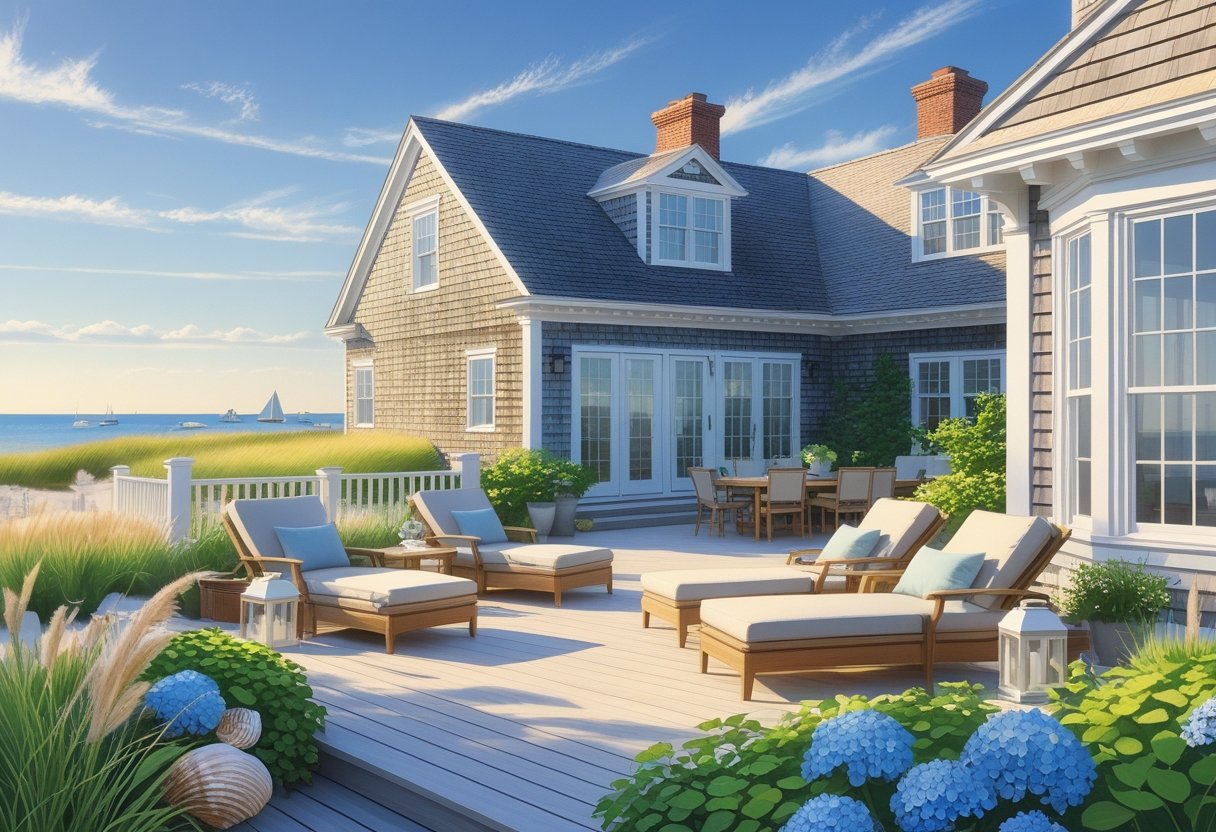
Designing outdoor living spaces on Nantucket requires a careful balance between embracing the island’s natural beauty and respecting its strict building codes and preservation standards. Successful outdoor environments here thrive by combining thoughtful design with materials and layouts that suit Nantucket’s coastal climate and historic context. This approach ensures your space remains both functional and timeless.
When working with Mercatus Builders, you benefit from a deep understanding of Nantucket’s unique zoning tips and architectural styles. Your outdoor living area can flow seamlessly from custom homes or restored historic cottages, capturing the essence of the island while enhancing your modern lifestyle. Knowing local regulations and conservation requirements is essential to avoid delays and preserve the island’s character.
Your outdoor design should incorporate native plants, durable materials, and features that maximize views and privacy while withstanding changing weather. As a Nantucket design-build firm, Mercatus Builders can guide you through this process, offering hands-on project management from permit applications to final touches. This ensures your outdoor living space reflects true craftsmanship and island heritage.
Core Principles of Nantucket Outdoor Living Spaces
Crafting outdoor living spaces on Nantucket demands a blend of practical use, timeless beauty, and respect for the island’s defining features. Your design choices should respond to the coastal climate, heritage aesthetics, and the natural landscape. Every detail—from material selection to spatial flow—matters for achieving balance and harmony.
Balancing Functionality and Aesthetics
Your outdoor space needs to serve multiple purposes without sacrificing visual appeal. Functional elements like seating, lighting, and pathways must support everyday living and entertaining. Listen to how sunlight and shade move throughout the day to position these features for comfort and usability.
Materials like cedar shingles and locally sourced stone offer both durability and connection to Nantucket’s vernacular. Incorporate native plants and simple, clean lines that invite relaxation while standing up to coastal winds and salt air. Thoughtful furniture placement enhances flow and encourages social interaction, turning your outdoor space into an extension of your home.
Respecting Nantucket’s Architectural Heritage
Nantucket’s architectural heritage centers on classic shapes, natural materials, and muted color palettes. Your outdoor design should echo these qualities to preserve the island’s character and comply with historic district guidelines. For example, using cedar shingles on garden structures or fences creates continuity with traditional home exteriors.
Mercatus Builders often emphasizes honoring this heritage by integrating historical restoration techniques with modern outdoor amenities. Avoid flashy, overly modern designs that clash with the subtle, weathered textures typical of Nantucket homes. Instead, focus on craftsmanship, proportion, and details that uphold the island’s legacy while allowing your space to feel current.
Optimizing Layout for Coastal Environments
Nantucket’s coastal environment requires strategic planning to protect your outdoor living space from harsh weather while maximizing its benefits. Windbreaks, such as hedges or trellises clad in cedar shingles, are vital for creating sheltered, comfortable areas. Orientation should prioritize views and natural light, while avoiding exposure to prevailing winds.
Consider layering your landscape design to include hardscapes for durability and softscapes that thrive in salt spray. Drainage and erosion control are also critical, especially near dunes or marshlands. Working with a Nantucket design-build firm like Mercatus Builders ensures you navigate local zoning and environmental restrictions efficiently, resulting in a layout tailored for longevity and enjoyment.
Landscape Design Essentials for Nantucket Homes
Designing an outdoor space on Nantucket demands careful thought about the environment, plant life, and structural elements that define the island’s charm. You’ll need to focus on durable materials, native vegetation, and clear garden organization to create a landscape that both looks authentic and stands up to coastal weather.
Planning for Climate and Coastal Conditions
Nantucket’s coastal environment exposes your property to salt spray, strong winds, and sandy soils. When planning your landscape, prioritize hardy, salt-tolerant plants and durable materials that resist weathering.
Use natural barriers like low stone walls or white picket fences to shelter sensitive areas from wind. These elements also provide classic New England character. Proper drainage is essential to prevent saltwater accumulation and soil erosion.
Materials should be chosen for longevity — cedar, teak, or composite decking works well. Mercatus Builders emphasizes incorporating local codes and conservation standards, ensuring your outdoor living space thrives while respecting the island’s delicate ecosystem.
Incorporating Local Vegetation and Plantings
Choose native and adapted plants that flourish in Nantucket’s sandy, nutrient-poor soil without excessive irrigation. Hydrangeas, beach grass, and bayberry are signature species that combine beauty and resilience.
Grouping plants with similar water and sunlight needs reduces maintenance and improves survival. Use layered plantings: taller shrubs provide wind protection while groundcovers reduce erosion.
Consider seasonal interest: flowering perennials in summer, evergreens for winter structure. Your landscape should blend with Nantucket’s natural surroundings, enhancing curb appeal and property value while requiring less intervention.
Creating Focal Points and Garden Structure
Structure anchors your outdoor space. Distinct focal points like arbors, garden gates, or sculptural trees draw the eye and encourage exploration. White picket fences are iconic, offering clear boundaries and a sense of order.
Strong geometry helps define garden rooms or pathways while reflecting Nantucket’s restrained aesthetic. Use materials that age gracefully, contributing to timeless appeal.
Incorporate seating areas or stone patios strategically to invite conviviality without disrupting flow. Thoughtful structure balances functionality with refined simplicity—key to landscapes that respect both the environment and Nantucket’s heritage.
Schedule a consultation to start your Nantucket build and bring these principles seamlessly together.
Defining Spaces With Hardscape and Iconic Details
Creating distinct outdoor areas on Nantucket means carefully choosing elements that balance historic charm and functional use. Hardscape features and traditional materials work together to carve out purposeful spaces that complement the island’s architectural legacy and coastal environment.
Picket Fences as Classic Boundaries
Picket fences remain a quintessential boundary choice on Nantucket, offering clear separation without overwhelming your garden or outdoor living area. Their modest height and evenly spaced slats maintain openness, allowing sightlines across the yard while subtly marking property lines.
White picket fences, often crafted from durable cedar or painted wood, evoke the island’s maritime history. They are easy to repair and maintain, fitting Nantucket’s conservation requirements and historical district guidelines.
Using picket fences around garden beds, patios, or pathways not only preserves the classic Nantucket aesthetic but also provides practical benefits like delineating outdoor rooms and controlling foot traffic without feeling enclosed.
Integrating Cedar Shingles and Stonework
Cedar shingles and native stone are iconic materials that define Nantucket’s architectural vocabulary, especially in exterior finishes and landscaping.
Cedar shingles, weathered to a soft silver-gray, protect structures and complement the natural surroundings. Extending this material into hardscape details like siding on garden sheds or outdoor cabinets adds cohesion to your outdoor spaces. Their natural texture contrasts elegantly with hard surfaces.
Stonework, such as granite or fieldstone, grounds your design with permanence. Walls, fire pits, and low retaining borders constructed from local stone blend craftsmanship with island tradition. These elements support soil retention on sloped land and create inviting focal points while enduring Nantucket’s coastal climate.
Designing Paths and Outdoor Rooms
Thoughtful path design connects the various parts of your outdoor space both visually and functionally. Using materials like bluestone, gravel with stone edging, or brick complements Nantucket’s rustic charm and outdoor lifestyle.
Paths should guide guests naturally between outdoor rooms—such as dining areas, lounges, or garden nooks—creating a sense of flow in your yard. Consider curves and gentle transitions rather than rigid lines to reflect the island’s relaxed coastal character.
Outdoor rooms defined by hardscape elements—patios, pergolas, or fire pits—invite multiple uses throughout the year. Work with a Nantucket design-build firm like Mercatus Builders to ensure these spaces meet local zoning rules and balance modern comfort with historical sensitivity.
Schedule a consultation to start your Nantucket build and let your outdoor living evolve with craftsmanship and respect for island tradition.
Enhancing Outdoor Living With Features and Amenities
To create an outdoor space that suits Nantucket’s climate and lifestyle, careful attention to durable, functional features is essential. Thoughtful selection of amenities adds comfort and extends usability throughout the year while respecting local style and regulations. Each element should blend practicality with the island’s characteristic charm.
Fire Pits for Year-Round Enjoyment
A fire pit is a versatile addition that provides warmth, light, and a focal point for gatherings. Choosing materials like natural stone or weather-resistant brick ensures durability against Nantucket’s coastal weather. Consider a design with a protective cover to keep it safe from dampness.
Strategically placing the fire pit within seating arrangements encourages social interaction while offering shelter from prevailing winds. Features like built-in benches or integrated lighting enhance safety and convenience. Because Nantucket zoning often regulates outdoor flames, consult with Mercatus Builders to ensure compliance and proper permitting.
Designing Outdoor Kitchens
An outdoor kitchen elevates your Nantucket home by expanding living space for dining and entertaining. Plan for weatherproof appliances and durable surfaces such as stainless steel and stone. Include essential elements like a grill, sink, prep areas, and storage, designed to withstand the island’s salty air.
Efficiency and flow are key. Position cooking zones near covered dining areas to protect guests from sun or sudden rain showers. Adequate ventilation and plumbing should meet local building codes. Your custom home builder Nantucket will tailor these features to marry modern convenience with coastal aesthetics.
Outdoor Furnishings and Gathering Areas
Selecting furniture that balances comfort with resilience is critical. Choose materials like teak, aluminum, or weather-treated wicker that resist moisture and fading. Cushions should be made from quick-dry, UV-resistant fabrics to endure seasonal exposure.
Create zones for different activities—lounging, dining, and quiet reading. Use rugs and pillows in muted, natural tones to reflect Nantucket’s understated elegance. Arrange seating to maximize views and foster connection without overcrowding.
Strategic Landscape Lighting
Proper lighting enhances safety, ambiance, and usability as daylight fades. Use low-voltage LED fixtures for energy efficiency and durability in salt air. Illuminate pathways and stairs to prevent accidents while highlighting key landscape features such as specimen plants or architectural details.
Incorporate dimmers and timers to control intensity and reduce light pollution, respecting Nantucket’s commitment to preserving night skies. Layered lighting techniques—ambient, task, and accent—ensure your outdoor space remains inviting and functional after dark.
For expert guidance on integrating these amenities in line with Nantucket zoning tips and historic district standards, consider consulting Mercatus Builders, a Nantucket design-build firm known for meticulous craftsmanship.
Sustaining Outdoor Spaces for Longevity and Comfort
Creating an outdoor living area on Nantucket means balancing beauty with resilience against coastal weather. Your choices in materials and maintenance directly affect how well your space endures salt air, wind, and moisture while providing comfortable usability year-round.
Material Selection for Durability
Selecting materials suited for Nantucket’s harsh coastal environment is critical. Cedar shingles remain a favored choice for outdoor structures due to their natural resistance to rot and insect damage. Their ability to weather gracefully while maintaining structural integrity makes them ideal for decks, pergolas, and siding.
Beyond wood, opt for stainless steel fasteners and marine-grade finishes to prevent corrosion. Use dense, close-grain woods or thermally modified lumber that withstand moisture and warping. For hardscape, natural stone from local quarries offers durability without sacrificing Nantucket’s traditional aesthetic.
Consider these materials and treatments to:
- Resist salt air and humidity
- Avoid premature wear and discoloration
- Maintain safety and comfort underfoot
Working with a Nantucket design-build firm like Mercatus Builders ensures sourcing materials compliant with local codes and suitable for your site’s specific conditions.
Maintenance Strategies for Coastal Properties
Regular maintenance is essential on Nantucket’s coastline, where salt spray and shifting weather challenge outdoor surfaces. Establish a maintenance schedule based on the seasons and material type to preserve longevity and comfort.
Key practices include:
- Rinsing surfaces with fresh water monthly to remove salt deposits
- Applying protective stains or sealants annually to wood shingles and decking
- Inspecting hardware and fasteners for rust or loosening every 6 months
- Clearing debris and checking drainage to prevent moisture buildup under decks and patios
Given the island’s zoning and conservation rules, repair or replacement must follow guidelines to protect the historic and natural environment. Partnering with experienced coastal home builders in MA means maintenance plans tailored specifically for Nantucket’s unique conditions and your property’s distinct needs.
Keeping your outdoor space well-maintained ensures it remains both a comfortable retreat and a lasting asset for your home.
Frequently Asked Questions
Creating an outdoor living space on Nantucket involves balancing beauty, functionality, and resilience. You must consider architectural harmony, coastal weather, local plants, and legal regulations to design a space that endures and complements the island’s character.
What are the essential elements to include in a Nantucket outdoor living space?
Focus on functional zones such as dining, relaxing, and gardening. Durable materials like cedar, natural stone, and weather-resistant finishes withstand coastal conditions. Incorporate wind screens and strategically placed furniture for comfort.
Lighting and integrated landscaping should enhance both aesthetics and usability after sunset. Adding an outdoor kitchen or firepit can extend the space’s usability year-round.
How can one create a wind-resistant garden design suitable for Nantucket’s climate?
Use layered plantings with sturdy, salt-tolerant species to break wind flow gradually. Incorporate hedges or lattice screens to protect intimate areas without blocking views or air circulation.
Placement is critical; position taller plants and structures on the windward side to shield more delicate plants. Hardscaping features like stone walls also act as wind buffers.
What native plants are recommended for landscaping in Nantucket?
Choose beach rose, bayberry, beach plum, and American holly for natural resilience and historic appropriateness. These natives tolerate salt spray and sandy soil while supporting local ecology.
Incorporate ornamental grasses like switchgrass or little bluestem for texture and movement. Native plants reduce maintenance and fit Nantucket’s visual and environmental context.
How do you design a landscape that complements Nantucket’s architectural style?
Match plant choices and hardscape elements to the island’s shingle-style and Colonial influences. Use simple, classic lines and restrained color palettes in garden beds and pathways.
Integrate historically appropriate materials such as cobblestones or brick pavers. Mercatus Builders can guide you in marrying craftsmanship with Nantucket’s timeless architectural details.
What are the best practices for maintaining an outdoor living space in a coastal environment like Nantucket?
Regularly rinse surfaces to remove salt buildup and prevent corrosion. Prune to maintain plant health and manage wind exposure.
Use appropriate sealants on wood and metal elements. Seasonal checks are essential to repair any damage from storms, ensuring lasting function and beauty.
What are the legal considerations to keep in mind when designing an outdoor space in Nantucket?
You must adhere to strict Nantucket building codes and preservation laws, especially within the historic district. Permits are often required for structures like decks, fences, and major landscaping features.
Consult local zoning rules regarding setbacks, height restrictions, and materials. Working with a Nantucket design-build firm experienced in these regulations simplifies compliance and protects your investment.