Custom Residential Home Plans: Designing Your Dream Living Space
June 18th, 2025 | by mercatus_edits | Posted in Uncategorized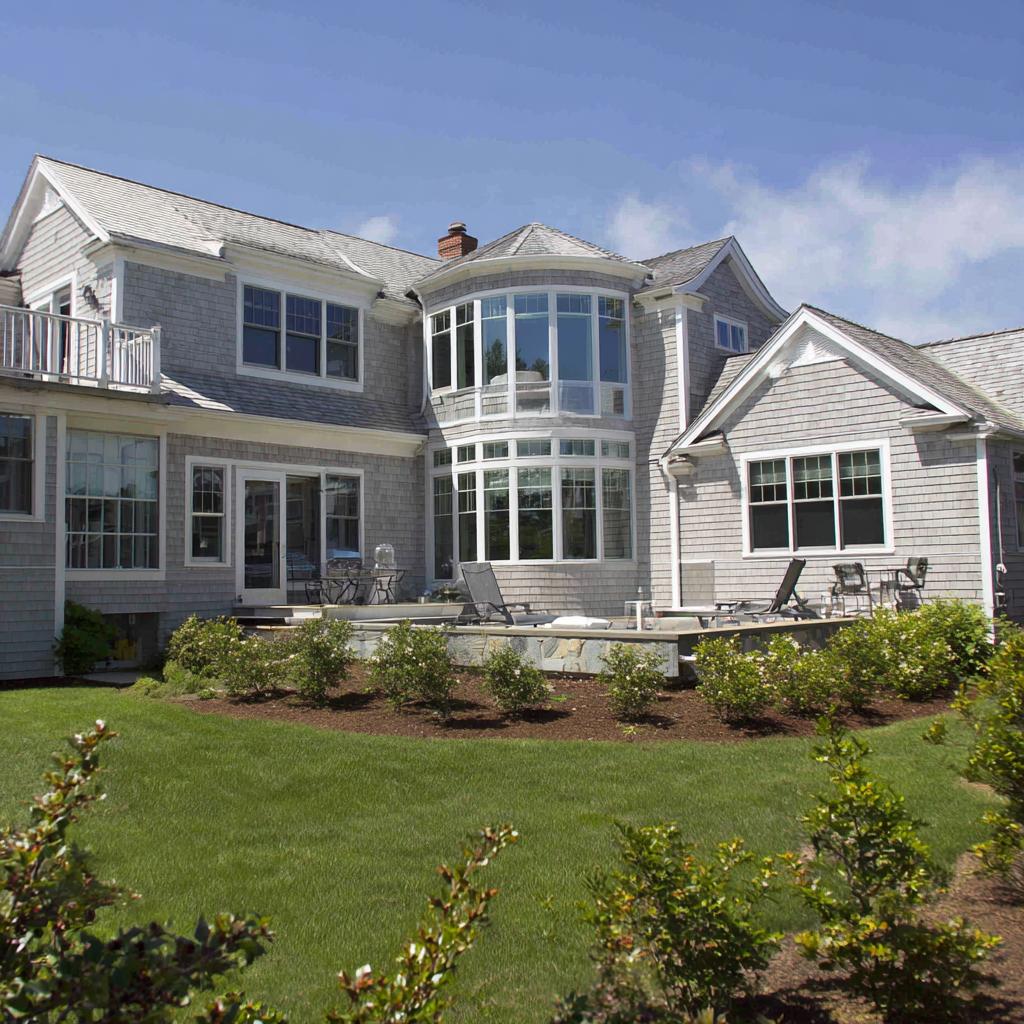
Custom residential home plans offer a unique opportunity to reflect your personal style while addressing your specific needs. By engaging with a skilled builder like Mercatus Builders, you can create a home that not only resonates with your vision but also adheres to Nantucket’s zoning and architectural standards. Building a custom home allows you to design every detail, from the layout to the finishes, ensuring your space embodies both functionality and aesthetic appeal.
Navigating the complexities of construction on Nantucket can be daunting, especially with stringent building codes and preservation requirements. Working with a local expert ensures that your project aligns with the island’s rich architectural heritage while meeting modern demands. Mercatus Builders provides hands-on project management, guiding you through every phase from concept to completion, making the process seamless and enjoyable.
Investing in custom home plans means you may also increase the value of your property. Homes that honor local traditions and craftsmanship not only enhance your living experience but also contribute to the island’s legacy. This careful attention to design and detail will ultimately reflect the timeless character that makes Nantucket special.
Understanding Custom Residential Home Plans
Custom residential home plans offer unique opportunities to create a living space that reflects your personal style and caters to your specific needs. These plans focus on customization, allowing homeowners to design their dream home while considering local zoning and building requirements.
What Sets Custom Homes Apart
Custom homes distinguish themselves from traditional or pre-designed options by prioritizing individuality. You have the flexibility to choose layouts, materials, and finishes that resonate with your vision. This means including features like:
- Unique architectural styles that reflect personal preferences.
- Customized floor plans that accommodate your lifestyle.
- High-quality materials that enhance durability and aesthetics.
Working with a reputable builder, such as Mercatus Builders, ensures that every detail aligns with Nantucket’s rich architectural heritage and local code requirements. This attention to detail guarantees that your home is not just a dwelling, but a true personal expression.
Types of Residential Home Plans
When considering residential home plans, you’ll encounter various types:
- Custom home plans: Tailored specifically to your specifications.
- Semi-custom plans: Slightly adjusted versions of existing designs.
- Stock house plans: Pre-determined designs available through various sources.
Each option presents its own advantages and challenges. For an experience steeped in craftsmanship and care, a fully custom plan enables the most freedom. This ensures your home harmonizes with Nantucket’s architectural ethos while addressing your specific needs and preferences.
Advantages of Designing a Custom Home
Designing a custom home brings numerous advantages:
- Personalization: Every detail aligns with your lifestyle and preferences.
- Adaptability: You can incorporate sustainable features and modern technologies.
- Long-term satisfaction: A home built to your specifications minimizes the need for future renovations.
Hiring a skilled builder like Mercatus Builders can streamline this process. They guide you through each phase, ensuring your vision is realized with the highest standards of craftsmanship. Custom homes not only enhance your living experience but also contribute to the lasting character of the Nantucket community.
Key Elements of Floor Plans
When designing a custom residential home, paying attention to the key elements of floor plans is essential. These components affect everyday living and influence the overall ambiance of your home. Here, we outline the critical factors to consider, from optimizing spaces to thoughtful design choices.
Optimizing Bedrooms and Living Spaces
In floor plan design, optimizing bedrooms and living spaces is crucial for functionality. Bedrooms should provide tranquility and privacy, ideally situated away from high-traffic areas.
Consider the following features when planning:
- Natural light: Position windows to maximize daylight.
- Access: Ensure ease of movement between rooms.
- Storage solutions: Built-in closets and shelving can enhance room efficiency.
Living spaces benefit from an open layout to foster social interaction. Define areas using furniture arrangements and consider flow between the kitchen, dining, and living rooms for seamless transitions.
Importance of Room Flow and Sound Design
Room flow directly impacts your daily living experience. Rooms should connect logically, encouraging ease of navigation. For instance, an open-concept layout can enhance the livability of social spaces, minimizing barriers.
Incorporating sound design might be less obvious but is equally important. Use materials like carpets and wall treatments to absorb sound. This will enhance comfort levels, particularly in busy households.
Consider traffic patterns, and aim to keep quiet areas away from noisy zones. A well-thought-out flow minimizes disruptions, allowing you to fully enjoy each space in your home.
Master Suite Considerations
The master suite is often a sanctuary within your home and must reflect personal comfort. Position the master bedroom to take advantage of scenic views or morning sunlight can enhance tranquility.
Key considerations include:
- Private entrance: Enables seamless access from main living areas.
- Bathroom layout: Include features like a double vanity or a separate shower and tub for convenience.
- Walk-in closets: Ample storage keeps the space tidy and functional.
Tailoring master suite details to your lifestyle ensures that this space caters to your needs for relaxation and ease.
Square Footage Planning
Understanding square footage is vital in creating an effective floor plan. You need to balance available space with desired rooms and features.
Begin by defining what each room’s purpose will be. Create a list of must-have rooms and their respective sizes.
Here are some common room dimensions to consider:
- Living Room: 200-300 sq ft
- Master Bedroom: 200-400 sq ft
- Kitchen: 100-250 sq ft
It’s wise to work with a reputable builder like Mercatus Builders for accurate assessments and clever space utilization. Strategically planning square footage not only optimizes space but also enhances overall functionality and flow in your custom home design.
The Design and Planning Process
In crafting custom residential home plans, a thorough design and planning process is key. Key steps include collaborating with builders, customizing blueprints, and exploring various home designs, such as two-story and multi-level options. Each aspect is crucial in ensuring your vision is realized efficiently and effectively.
Collaborating With Builders and Developers
Working closely with builders and developers is essential in the planning phase. You should select a builder who understands local zoning regulations and construction standards. A quality builder, like Mercatus Builders, will guide you through the permitting process and provide insights into design options that meet your needs.
Communication is vital. Regular meetings can help clarify expectations, timelines, and any potential challenges. Your builder will also connect you with trusted developers, ensuring you have a reliable team to support your vision.
Customizing Blueprints
Blueprints are more than just plans; they are the roadmap to your dream home. Engaging with an architect early in the design process allows you to translate your ideas into detailed specifications. You can customize layouts, choose materials, and incorporate features that reflect your lifestyle.
It’s important to prioritize functionality alongside aesthetics. Consider how you will use each space. Whether you need expansive living areas or private nooks, ensuring that the blueprints align with your requirements is crucial for long-term satisfaction.
Two Story and Multi-Level Home Options
Two-story and multi-level homes offer unique advantages for maximizing space and enhancing views. By opting for a multi-level design, you can create distinct areas within your home, like private bedrooms separated from common spaces.
Two-story designs can elevate your living experience, providing stunning vistas of Nantucket’s landscape. They can also accommodate larger families or guests, allowing for privacy when needed. A trusted builder can help you explore structural implications, ensuring compliance with local building codes while maximizing your design’s potential.
Choosing the right layout goes beyond aesthetics; it also defines how your family will interact within the space. Think critically about traffic flow and accessibility in your design.
Selecting the Right Home Plan
Choosing the right home plan is crucial in creating a space that suits your lifestyle while respecting Nantucket’s architectural heritage. Careful evaluation of your needs and awareness of current design trends can guide this significant decision.
Evaluating Lifestyle and Needs
Start by assessing your daily life. Think about how you use space. Do you often entertain guests? A spacious open floor plan may be beneficial for social gatherings.
Consider your family size. A growing family might need additional bedrooms or flexible spaces that can serve multiple functions.
Key factors to evaluate:
- Size Requirements: Number of bedrooms and bathrooms.
- Future Plans: Consider potential changes, like expanding your family.
- Accessibility Needs: Think about mobility for all family members.
Merely focusing on aesthetics overlooks practicality. Discuss these aspects with a builder like Mercatus Builders to ensure your custom home aligns with both your needs and Nantucket’s regulations.
Current Trends in Custom Residential Design
Staying updated with design trends can significantly enhance your custom home. Currently, eco-friendly materials and energy-efficient systems are highly valued. They reflect a commitment to sustainability while lowering long-term costs.
Popular design trends include:
- Open Spaces: Blending living, dining, and kitchen areas.
- Natural Light: Large windows and skylights for a bright environment.
- Outdoor Living: Decks and patios that extend your living space outdoors.
Consulting with a local expert is essential. Builders familiar with Nantucket’s zoning can integrate these trends while ensuring compliance with historical preservation efforts. Engage with Mercatus Builders to explore how modern aesthetics can harmonize with timeless design elements, creating a home that respects the island’s legacy.
Bringing Your Custom Home Vision to Life
Transforming your dream home into reality involves careful planning and attention to detail. With insights into the construction phase and the finalization of your house plan, you can ensure a seamless building experience with Mercatus Builders.
Navigating the Construction Phase
Embarking on the construction phase requires a structured approach. First, you will want to establish a timeline that outlines key milestones. This includes the permitting process, which is crucial to comply with Nantucket’s building codes and preservation standards.
Another aspect to consider is selecting quality materials that align with your vision. Collaborating closely with your builders, you can determine which materials best suit the climate and aesthetic of Nantucket.
Key tasks during construction:
- Ongoing communication: Regular updates from Mercatus Builders keep you informed.
- Site inspections: Scheduled checks ensure adherence to your house plan.
- Adjustments: Be prepared for minor changes to enhance your design.
Staying engaged throughout the construction will help uphold your vision and enhance the outcomes.
Finalizing and Reviewing Your House Plan
Before construction begins, a thorough review of your house plan is essential. This stage ensures that every detail aligns with your expectations and local regulations. You’ll work closely with your builders to refine the layout and features of your new home.
Review aspects like room dimensions, window placements, and exterior finishes. Important categories to consider include:
- Sustainability features: Integrate energy-efficient systems.
- Historical accuracy: Ensure that your design respects Nantucket’s architectural heritage.
After finalizing the plan with Mercatus Builders, double-check all approvals to avoid delays. This meticulous attention to detail will help you achieve a home that not only meets modern needs but also reflects the timeless character of Nantucket.
Frequently Asked Questions
When considering custom residential home plans, several common inquiries arise. Understanding costs, design steps, and available resources is essential for a smooth building experience. Below are some frequently asked questions that will help guide you in your custom home journey.
How can one estimate the cost of a custom home plan?
Estimating the cost begins with assessing your specific design needs and goals. Factors like size, materials, and location play significant roles. You can also consult builders or use online calculators to get preliminary estimates.
What steps are involved in creating a custom residential home plan?
Creating a custom home plan involves several key steps:
- Define your needs and budget.
- Choose a suitable plot of land.
- Consult with an architect or designer.
- Finalize the design and prepare for permits.
- Select a custom home builder and start construction.
Working with a builder like Mercatus Builders can simplify this process with expertise in Nantucket’s unique requirements.
Are there options to view custom home plans with photographs?
Yes, many builders and design websites offer galleries of custom home plans with photographs. These resources can provide inspiration and a clear idea of what styles may suit your vision.
How much typically does it cost to build a custom house per square foot?
The cost to build a custom home often varies based on design complexity, material choices, and location. On average, in Nantucket, prices can range from $200 to over $500 per square foot, depending on the luxury finishes and architectural details.
Can I obtain custom residential home plans for free?
While some websites provide free or low-cost plans, custom designs are typically developed with personalized requirements in mind and may incur fees. Investing in a detailed plan ensures that the design meets your vision and complies with local regulations.
What resources are available for designing your own house floor plans?
There are various resources you can use for designing your own floor plans, including online design tools, architecture software, and professional services from builders. Consulting with experts like Mercatus Builders can provide insights into adhering to Nantucket’s building codes while achieving your desired layout.