Custom Home Interior Design Cape Cod: Elevate Your Coastal Living Experience
June 29th, 2025 | by mercatus_edits | Posted in Uncategorized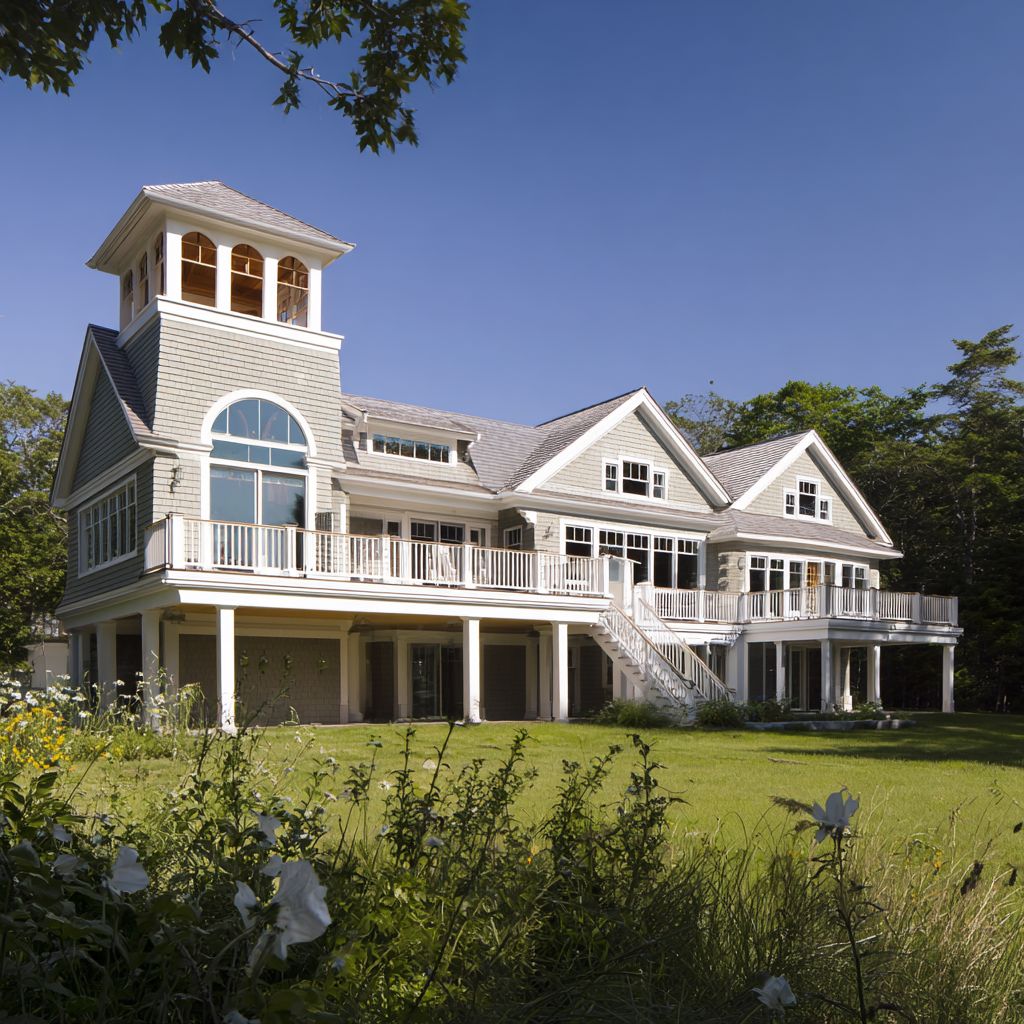
Custom home interior design in Cape Cod offers a unique opportunity to blend modern convenience with the area’s rich architectural heritage. A custom-designed home not only enhances your living space but also reflects your personal style while respecting the coastal aesthetic of Cape Cod. By engaging with skilled professionals, such as Mercatus Builders, you can ensure that every detail of your home embodies quality craftsmanship and timeless design.
As you embark on this journey, it’s essential to consider the local building codes and conservation requirements that may affect your project. Understanding these regulations can make the process smoother and help you achieve your vision without compromising on compliance. With the right approach and expertise, you can transform your dream home into a stunning reality that harmonizes with the scenic beauty of the Cape.
Whether you envision a cozy retreat or an expansive coastal residence, engaging a knowledgeable builder like Mercatus Builders can make all the difference. With their commitment to excellence and deep understanding of local architecture, you can create a space that not only meets your needs but also resonates with the character of Cape Cod.
Essentials of Custom Home Interior Design in Cape Cod
Custom home interior design in Cape Cod emphasizes a blend of local aesthetics, functionality, and personalized touches. Understanding the regional style and employing skilled design services are essential for creating spaces that resonate with the coastal environment and adhere to local building codes.
Defining Cape Cod Style
Cape Cod style is characterized by its simplicity and function, often inspired by the natural surroundings. Key elements include:
- Colors: Soft, muted hues like blues, grays, and whites reflect the ocean and sky.
- Materials: Use of natural materials such as wood, stone, and shingle siding promotes a harmonious connection with nature.
- Architecture: Cape Cod homes feature symmetrical designs and steep roofs, enhancing their charm.
Incorporating these features into your interior design ensures your home speaks to the essence of the region. Adding local art or decor can further enhance this vibe, making the space feel unique and personal.
Key Principles of Custom Interior Design
When embarking on a custom interior design project, several principles should guide your decisions:
- Functionality: Design spaces that cater to your lifestyle and activities, ensuring ease of flow throughout the home.
- Personalization: Tailor every aspect to your tastes, from color schemes to furniture choices, creating a space that reflects your personality.
- Sustainability: Select eco-friendly materials and energy-efficient appliances to align with modern sustainability trends while also considering local conservation requirements.
By adhering to these principles, you will create an inviting space that balances aesthetics with practicality. Engaging a professional firm like Mercatus Builders can ensure these principles are expertly executed.
Importance of Local Expertise
Working with a local interior design studio or builder is vital when planning a custom home in Cape Cod. Local expertise brings:
- Knowledge of Regulations: Understanding zone laws and historical guidelines can prevent costly mistakes and ensure compliance.
- Familiarity with Styles: Local designers can recommend features that resonate with the area’s traditional architecture while also integrating modern elements.
- Resource Access: A local builder often has established relationships with suppliers and craftsmen, ensuring high-quality materials and workmanship.
Mercatus Builders specializes in this integrated approach, marrying craftsmanship with a deep understanding of Nantucket’s design heritage, ensuring your home is both beautiful and compliant with local standards.
Design Process for Cape Cod Homes
Designing a custom home in Cape Cod involves a detailed process that includes consulting with design studios, collaborating with contractors, and making informed choices between renovations and remodeling. Each aspect requires your engagement to ensure the result aligns with your vision and the unique character of the area.
Consulting With Design Studios
Engaging with a design studio is the first step in creating your Cape Cod home. You’ll work closely with designers who understand local architectural styles and can integrate them into your project.
- Initial Consultation: This typically includes discussing your style preferences, budget, and any special requests related to function or aesthetics.
- Concept Development: Designers will create initial sketches to illustrate layout options, key features, and materials, ensuring they align with local zoning and preservation codes.
- 3D Renderings: Expect to review digital models that provide a more immersive glimpse into how your home will look in its natural setting.
This partnership establishes a solid foundation for your project. Companies like Mercatus Builders are well-versed in this process, blending craftsmanship with respect for Nantucket’s unique heritage.
Collaborating With Contractors
Once design choices are established, you will collaborate with contractors to bring your vision to life. Effective communication is crucial.
- Selection of a Builder: Choose a contractor experienced with Cape Cod regulations and coastal construction. This helps ensure compliance with building codes and preservation practices.
- Project Timeline: Discuss timelines and milestones. Your contractor should provide a clear schedule, from permitting to completion.
- Ongoing Communication: Regular updates and site visits will keep you informed of progress and allow for adjustments as needed.
Working with skilled contractors, such as those from Mercatus Builders, ensures that the craftsmanship matches the design intent, honoring both modern needs and historical context.
Renovations Versus Remodeling Choices
When enhancing a Cape Cod home, you’ll have to decide between renovations and remodeling.
- Renovations: These typically involve updating existing spaces without altering the overall structure. For instance, refreshing a kitchen with new cabinetry and appliances maintains the character while improving functionality.
- Remodeling: This process often entails significant structural changes, like expanding rooms or altering floor plans. Remodeling can dramatically transform your home, but it often requires careful attention to local regulations and preservation guidelines.
Understanding the differences will help you make informed choices that respect your home’s essence while catering to your lifestyle.
Selecting Custom Furniture and Home Furnishings
When designing your custom home in Cape Cod, selecting the right furnishings and textiles can elevate your space. Considerations for fabric choices, accessory integration, and finding the perfect dining table all play a crucial role in achieving a cohesive design.
Choosing Fabrics and Textiles
Selecting fabrics and textiles is essential for blending comfort with style. Start by identifying the color palette and overall theme of your home. You may want to choose durable materials for high-traffic areas, such as outdoor fabrics or performance textiles that resist stains.
Popular options include:
- Cotton: Versatile and easy to clean.
- Linen: Offers a light, airy feel ideal for coastal homes.
- Leather: Adds luxury and durability.
Consider layering different textures to create depth in your design. Mixing smooth surfaces with textured fabrics will enhance visual interest. Work with a custom furniture provider like Mercatus Builders to ensure that your selected textiles align with your desired aesthetic.
Incorporating Accessories
Accessories bring personality and character to your home. Start by choosing items that reflect your unique style—art pieces, vases, or area rugs can anchor a room’s design. Pay close attention to scale and proportion; oversized accessories can dominate a space, while smaller items might get lost.
Useful tips include:
- Choose a focal point: Highlight one statement piece that draws the eye.
- Create balance: Distribute items evenly throughout the room.
- Vary heights: Use accessories at different heights for visual appeal.
Think about how accessories will interact with your furnishings. Collaborating with Mercatus Builders can provide insights into selections that harmonize with your custom furniture.
Signature Pieces: Dining Table Selection
Your dining table is more than just functional; it serves as a gathering spot and a statement piece. When selecting a dining table, consider the following factors:
- Size: Ensure it fits your space comfortably without overwhelming it.
- Material: Wood offers warmth, while glass can create a more open feel.
- Style: Match the table’s design to the overall theme of your home.
Custom options allow you to choose unique finishes and features, aligning with your aesthetic. Investing in a high-quality table can enhance both the utility and beauty of your dining area, making it a centerpiece for family gatherings. Working with skilled builders like Mercatus Builders can help guide your decision, ensuring a harmonious integration into your custom-designed space.
Lifestyle-Driven Design in Cape Cod
Designing spaces in Cape Cod requires a focus on lifestyle. This approach emphasizes creating homes that resonate with the coastal environment and the needs of families. By harmonizing aesthetics with functionality, you can ensure that your home feels welcoming and representative of your way of life.
Reflecting Coastal Living
Coastal living in Cape Cod is characterized by light colors, natural materials, and open spaces. In your home, you might opt for weather-resistant materials and lightweight fabrics that enhance the airy feel of your space. Large windows can maximize views of the ocean while inviting plenty of natural light.
Consider incorporating design elements like shiplap walls or wide-plank hardwood floors to embody the region’s charm. Breezy, open floor plans allow for easy flow and social interaction, crucial for gatherings with friends and family. By focusing on these coastal aesthetics, you create a peaceful retreat that reflects the beauty of your surroundings.
Tailoring Spaces for Families
When designing your Cape Cod home, prioritizing family needs is essential. Consider the purpose of each room—will it be a children’s play area, a cozy reading nook, or a multifunctional space? Versatile furnishings that adapt to different activities can enhance functionality throughout the day.
Thoughtful storage solutions, like built-in shelving and hidden compartments, can help keep spaces organized while maintaining a clean look. Mercatus Builders ensures that every detail incorporates the needs of modern family life, blending style with practicality. With careful planning, you can create a home where every family member feels comfortable and included.
Notable Locations and Regional Influences
Cape Cod’s interior design reflects its unique local culture and history. Influences from nearby Boston and the distinctive styles found in Falmouth showcase how regional characteristics shape design choices. This section examines these elements in detail, highlighting what makes Cape Cod interiors truly special.
Influence of Boston on Cape Cod Interiors
Boston’s rich history and architectural styles significantly impact Cape Cod interiors. The city offers a mix of Colonial, Georgian, and Victorian designs, which inspire many homes in the Cape. These influences often manifest in the use of elegant moldings, traditional layouts, and refined materials.
You may notice Boston’s affinity for craftsmanship in the detailing of windows and doors. A focus on symmetry and proportion is common, echoing the urban designs found in the city. Whether you’re restoring a historic cottage or building anew, consider how Boston’s legacy can inform your choices. Mercatus Builders understands these nuances, ensuring that your custom home embraces both Cape Cod charm and Boston elegance.
Falmouth’s Distinctive Touches
Falmouth adds its own flavor to Cape Cod’s overall aesthetic. Its coastal location creates a unique blend of nautical themes and natural elements. This area is known for using a palette of soft blues, whites, and sandy tones that resonate with the surrounding beaches.
Architecturally, Falmouth showcases a combination of Victorian and shingle-style homes, which are prevalent in many neighborhoods. Features like wide porches, light-filled spaces, and open floor plans enhance the coastal living experience. Materials such as cedar shingles and weathered wood reflect local traditions. This emphasis on nature helps create a serene environment, ideal for vacation homes or year-round residences. Collaborate with experts who appreciate these regional nuances, like Mercatus Builders, to achieve a truly authentic Falmouth-inspired design.
Frequently Asked Questions
Navigating the world of custom home interior design on Cape Cod can prompt several inquiries. This section addresses essential questions about costs, design elements, trends, and how to select the right professionals for your needs.
How much does it typically cost to hire an interior designer in Cape Cod?
The cost to hire an interior designer in Cape Cod can vary significantly. On average, you might expect to pay between $100 and $250 per hour, depending on the designer’s experience and the scope of your project. Flat fee structures are also common, particularly for larger projects like custom home designs.
What are the defining characteristics of Cape Cod custom home interior design?
Cape Cod custom home interior design often features clean lines, natural materials, and a color palette inspired by the coastal landscape. You’ll see elements like shiplap walls, open floor plans, and ample natural light. Emphasis is placed on creating a welcoming and functional space that mirrors the simplicity of the local environment.
How do I choose the best interior designer for my custom home in Cape Cod?
Start by researching designers who specialize in Cape Cod styles. Look for portfolios showcasing previous work that resonates with your vision. It’s also important to verify credentials, client testimonials, and whether they understand local zoning rules, which can greatly impact your project.
What are the latest trends in modern Cape Cod home interior design?
Current trends include blending traditional Cape Cod elements with contemporary touches. Popular features are eco-friendly materials, smart home technology, and open spaces that promote a casual lifestyle. Additionally, integrating outdoor living areas with indoor spaces is becoming increasingly favored.
Are there specific interior designers in Cape Cod who specialize in custom home designs?
Yes, several interior designers focus on custom home designs specific to the Cape Cod style. They often combine local materials with unique design elements that reflect the region’s character. A thorough search can yield professionals well-versed in both current trends and traditional aesthetics.
How can I find reviews for the best custom home interior design services in Cape Cod?
To find reliable reviews, consider checking local directories like Yelp or Google Reviews. These platforms often provide insights from past clients about their experiences. Engaging with social media groups or forums related to Cape Cod home design can also lead to valuable recommendations.
Mercatus Builders can assist in your journey toward creating a custom home that reflects the rich architecture of Nantucket while meeting modern needs.