Custom Home Exterior Design in Nantucket: Expert Tips for Timeless Coastal Appeal
July 18th, 2025 | by mercatus_edits | Posted in Uncategorized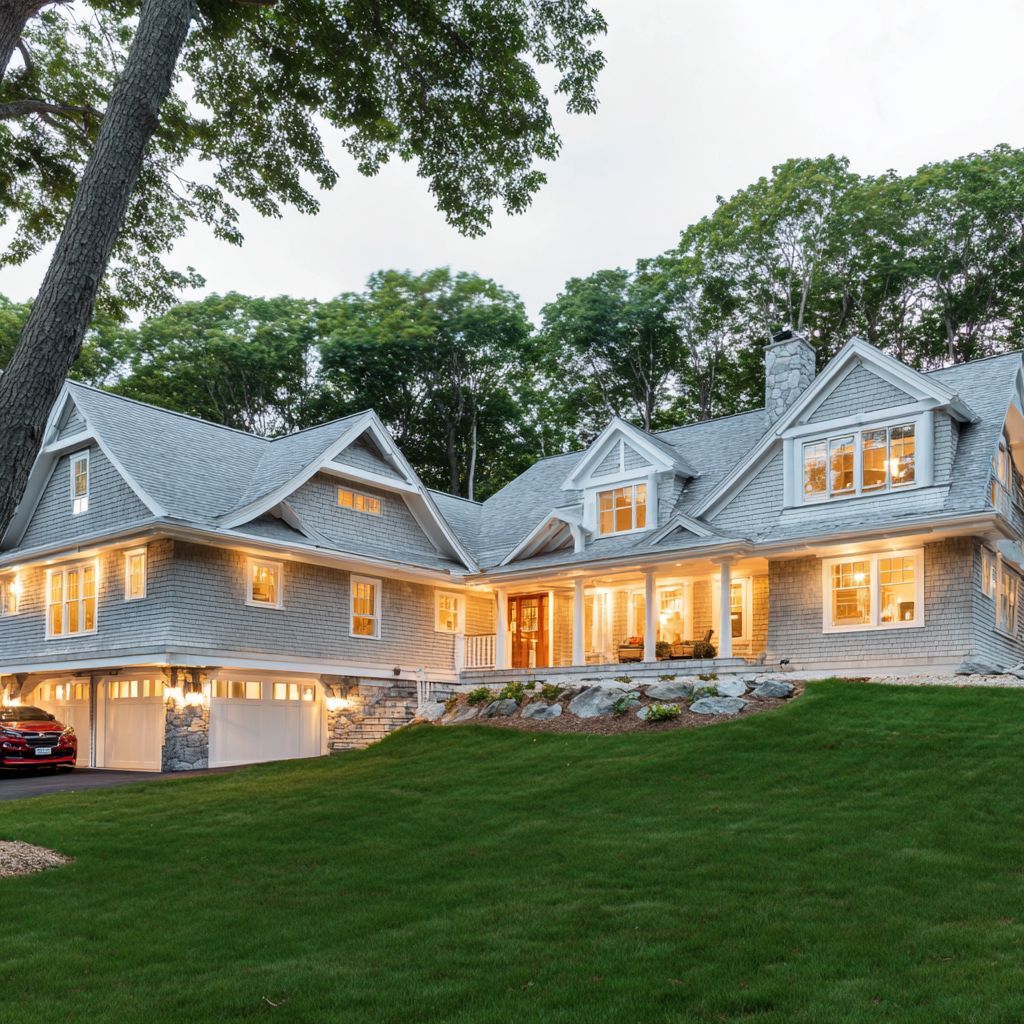
When considering custom home exterior design in Nantucket, your focus must balance aesthetic beauty with strict local regulations. The key to a successful design lies in respecting Nantucket’s unique architectural heritage while incorporating features that suit your modern lifestyle. Every detail, from materials to rooflines, should harmonize with the island’s historic character and comply with zoning rules to ensure a seamless approval process.
Working with a Nantucket design-build firm like Mercatus Builders gives you the advantage of local expertise and craftsmanship rooted in the island’s traditions. Whether your project involves restoring a historic cottage or building a new coastal retreat, attention to detail and a deep understanding of Nantucket building codes are crucial. This approach guarantees a home exterior design that is both timeless and functional, reflecting the natural beauty and culture of the island.
Your custom home exterior will benefit from thoughtful design decisions that consider climate, conservation, and island context. As you navigate Nantucket zoning tips and historic district renovations, partnering with an experienced coastal home builder ensures your home honors the past while looking toward the future. Reach out to Mercatus Builders to begin a project that truly embodies the spirit of Nantucket craftsmanship.
Defining Custom Home Exterior Design in Nantucket
Your custom home exterior on Nantucket must balance timeless style with practical considerations like durability and local code compliance. This means attention to traditional details, materials that weather coastal conditions, and design elements that respect Nantucket’s historic character while allowing for modern living.
Key Features of Nantucket Exteriors
Nantucket exteriors are defined by simplicity and texture, creating homes that feel both elegant and rooted in the island’s environment. Look for shingle siding in natural or weathered tones to protect against wind and salt air. Steeply pitched roofs with cedar shingles help shed rain and snow efficiently.
Windows often feature divided lights and white trim, enhancing both ventilation and symmetry. You’ll find classic details like dormers, cupolas, and sizable chimneys that enhance form and function. Porches or screened-in verandas provide outdoor living spaces while softening the building’s scale.
Materials must withstand coastal conditions, so durability is critical. Mercatus Builders emphasizes finishes that hold up over time without sacrificing Nantucket’s signature aesthetic. This ensures your home blends seamlessly into the island landscape while standing firm against elements.
Historical and Coastal Influences
Nantucket’s coastal environment and rich maritime history deeply shape home exteriors here. You’ll notice influences from whaling-era cottages with their modest proportions and natural colors, evoking the island’s working-class roots and connection to the sea.
Many homes reflect the informal elegance of shingle style architecture, distinguished by asymmetry and organic forms that fit naturally with the dunes and beachscape. This heritage guides preservation and new builds alike, with strict Nantucket historic district regulations protecting design authenticity.
You must factor in coastal weather challenges—moisture, salt spray, and strong winds—when planning your exterior. Materials, paint, and hardware selections all need to be resilient and low maintenance, ensuring your home endures while honoring traditional aesthetics.
Blending Traditional and Modern Styles
A successful custom home exterior on Nantucket skillfully merges historic details with modern comforts. You can incorporate energy-efficient windows or subtle mechanical systems without disturbing the classic façade. Thoughtful site planning leverages natural light and views while maintaining privacy and scale.
Modern design elements, such as clean lines or contemporary materials, can complement traditional shingle and trim if executed with balance. Avoid overly bold contrasts; instead prioritize cohesion with surrounding homes and the natural landscape.
Working with a Nantucket design-build firm like Mercatus Builders will help you navigate this blend. Their expertise ensures your home respects Nantucket zoning tips and historic district standards while giving you the modern lifestyle your family needs. The result reflects lasting craftsmanship built for today, anchored in the island’s legacy.
Craftsmanship and Architectural Collaboration
Every custom home in Nantucket reflects a careful blend of skilled craftsmanship and thoughtful design collaboration. This approach ensures your home not only fits seamlessly within the island’s architectural heritage but also meets modern standards for quality and durability.
Role of Local Builders and Architects
Local builders and architects are vital partners when designing your custom home exterior in Nantucket. They bring an intimate knowledge of the island’s unique zoning rules, historical guidelines, and environmental factors. This expertise allows them to navigate complex permitting processes efficiently while preserving the authenticity of Nantucket’s architectural styles.
With Mercatus Builders, you gain access to teams experienced in handling Nantucket building codes and historic district renovations. They understand the importance of balancing the island’s iconic aesthetics with your personal vision. Working closely with architects, builders ensure your home’s exterior honors traditional lines and proportions while incorporating modern functionality.
Attention to Detail in Exterior Elements
The strength of your custom home lies in the details. From window trims and rooflines to custom millwork and porch designs, every exterior element requires precision. Nantucket’s coastal climate demands attention to materials that withstand weathering without compromising the home’s timeless look.
Focusing on fine craftsmanship ensures your home’s exterior exudes quality. Elements like custom shutters, detailed woodwork, and carefully selected paint colors combine to create a cohesive design. Skilled builders prioritize these details to maintain structural integrity and complement the island’s historic character, offering you a home that ages gracefully.
Material Selection and Durability
Choosing the right materials is critical to the longevity and appearance of your Nantucket home. Local builders favor materials that handle salt air, wind, and humidity while aligning with conservation standards. Classic shingles, cedar clapboards, and painted wood remain preferred for their durability and traditional appeal.
Materials must also comply with Nantucket’s strict preservation guidelines. You can expect thorough consultation on options that balance ruggedness with elegance. By selecting appropriate, long-lasting materials, your home will continue to evoke Nantucket’s heritage and withstand the demands of coastal living for decades. Mercatus Builders guides you through these choices with expertise rooted in island-specific knowledge.
Preserving Nantucket’s Heritage in Home Exteriors
Maintaining the distinct look of Nantucket homes requires careful attention to both aesthetic details and local regulations. Your exterior design must balance modern needs with the island’s architectural traditions and preservation standards.
Working with Historical Preservation Guidelines
When restoring or building in Nantucket’s historic districts, you are required to follow strict preservation guidelines set by local authorities. These regulations control materials, colors, and design elements to protect the island’s unique character.
Key considerations include:
- Using authentic materials like cedar shingles and traditional window styles
- Avoiding synthetic substitutes that disrupt the historic appearance
- Staying within height and footprint limitations established by zoning and preservation boards
Engaging experienced builders like Mercatus Builders ensures your project meets these requirements from permitting through completion. Their expertise can streamline approvals and prevent costly redesigns, providing peace of mind as you restore or design your coastal home.
Respecting the Island’s Architectural Integrity
Nantucket’s charm lies in its carefully preserved architectural identity — weathered shingles, widow’s walks, and simple, symmetrical forms. Your home’s exterior should reflect these signature elements to fit naturally within the neighborhood fabric.
Consider these design priorities:
- Emphasize classic rooflines and understated detailing
- Preserve or restore original features whenever possible
- Harmonize your material palette with surrounding homes, favoring natural textures and muted tones
By honoring local traditions, you protect your property’s value and contribute to the island’s timeless appeal. With knowledgeable craftsmanship and respect for Nantucket architecture styles, your custom home will embody both heritage and comfort. For more about working with these principles, explore Nantucket historic home restoration guidance.
Modern Innovations and Energy Efficiency
Integrating advanced building techniques with energy-conscious design is essential for Nantucket homes. These improvements help reduce environmental impact while enhancing comfort and functionality. You should expect a focus on materials, technology, and energy systems tailored to the island’s climate and regulations.
Sustainable Building Practices
Using sustainable materials is central to creating custom homes that respect Nantucket’s environment. Options like bamboo flooring and low-VOC paints minimize pollutants, improving indoor air quality. Additionally, sourcing local or recycled materials reduces transportation emissions and supports regional businesses.
Consider features such as high-performance insulation and moisture barriers. These safeguards defend against coastal weather while lowering heating and cooling demands. Sustainable design also involves integrating solar panels discreetly, maintaining Nantucket’s historic aesthetic while providing renewable energy.
Mercatus Builders prioritize sustainability without compromising the island’s architectural heritage. This balance ensures your home is both eco-friendly and compliant with Nantucket building codes and preservation guidelines.
Smart Technology Integration
Incorporating smart home systems allows efficient control over lighting, temperature, and security. Automated thermostats adjust indoor climates based on occupancy and weather patterns, optimizing energy use without sacrificing comfort.
Advanced lighting solutions include LED fixtures that reduce power consumption and offer customizable settings. Smart windows and shades can regulate sunlight to prevent overheating, reducing reliance on air conditioning.
Security features connected to your phone provide real-time monitoring of your property, which is particularly valuable for seasonal homes. Integrating these technologies seamlessly within your Nantucket home enhances convenience and energy efficiency simultaneously.
Enhancing Energy Performance
Improving your home’s energy performance involves selecting high-efficiency HVAC units that meet or exceed ENERGY STAR standards. These systems provide precise climate control with lower operational costs.
Proper air sealing throughout the building envelope limits drafts, cold spots, and moisture intrusion, critical in Nantucket’s maritime climate. Ventilation with heat recovery systems ensures fresh air circulation while conserving heat in winter and cool air in summer.
Working with a skilled custom home builder Nantucket residents trust, like Mercatus Builders, ensures these systems are installed to meet strict local codes. Addressing energy performance early in the design stage avoids costly retrofits and ensures lasting savings.
Selecting the Right Nantucket Custom Builder
Choosing the right custom builder is essential to achieving a home that respects Nantucket’s unique architectural heritage and complies with strict local regulations. The process involves carefully assessing experience, communication style, and quality standards to ensure your vision is realized without compromise.
Evaluating Experience and Past Projects
Look for a builder with extensive experience on Nantucket, especially in custom home construction and historical home restoration. Proven familiarity with Nantucket building codes and preservation requirements is critical. Review completed projects to see how well the builder balances traditional island styles with modern functionality.
Ask for references and portfolio examples that demonstrate a range of coastal home designs. A strong history of hands-on work in the island’s historic district reflects a builder’s ability to navigate zoning complexities while maintaining aesthetic integrity.
Mercatus Builders, for instance, combines decades of expertise with deep local knowledge, a key advantage when building or restoring a Nantucket home.
Communication and Project Management
Effective, transparent communication is vital when undertaking a Nantucket custom home project. You want a builder who is proactive in updating you on permitting timelines, design approvals, and construction phases.
Hands-on project management ensures every step—from zoning approval to final finishes—is carefully coordinated. A builder who understands the permitting process for Nantucket homes will help you avoid delays and unexpected costs.
Keep in mind that your builder should act as a trusted advisor, guiding you through challenges with clear solutions and keeping your project aligned with island standards.
Ensuring Quality and Craftsmanship
Quality craftsmanship is what sets a Nantucket custom home apart. Look for builders who emphasize durability and fine finishes that honor the island’s architectural styles.
Ask about the materials and building techniques used, especially in relation to coastal weather resilience and energy-efficient systems. A builder with a reputation for meticulous detail and respect for historic elements will deliver a home that stands the test of time.
Mercatus Builders exemplifies this approach, blending timeless craftsmanship with thoughtful design that suits Nantucket’s landscape and lifestyle.
| Key Qualities to Confirm | Why They Matter |
|---|---|
| Local building code expertise | Ensures compliance and smoother permitting |
| Proven craftsmanship | Guarantees long-lasting, elegant finishes |
| Responsive communication | Keeps project on schedule and budget |
| Experience with historic homes | Preserves Nantucket’s architectural heritage |
Frequently Asked Questions
Nantucket’s coastal environment and historic character shape every decision about your home’s exterior—from architectural style to material choice, permitting, and landscaping. Understanding local climate effects, regulatory requirements, and design traditions is essential to creating a durable, elegant home that fits the island’s unique setting.
What architectural styles are best suited for coastal environments in New England?
Traditional Nantucket architecture often includes shingle-style cottages and Colonial Revival homes, which balance charm with durability. These styles feature steep roofs, wide eaves, and natural materials that withstand coastal winds and salty air.
Simple, symmetrical designs with deep porches and shutters are popular for both aesthetics and protection. Selecting styles that reflect Nantucket architecture styles honors the island’s heritage and respects local zoning.
Can you describe the permitting process for new home construction in a historic district?
The permitting process on Nantucket requires detailed review by the Historic District Commission (HDC), which ensures new builds or alterations maintain the island’s architectural integrity. You’ll need to submit detailed plans illustrating exterior materials, colors, and site placement.
Expect public hearings and coordination with local officials. Working with a Nantucket design-build firm familiar with historic district regulations helps navigate this process smoothly and expedites approval.
What are the most durable exterior materials for homes exposed to saltwater climates?
Materials like cedar shingles, fiber cement siding, and stainless steel fasteners resist salt corrosion and moisture damage effectively. Cedar naturally weathers to a soft gray that complements the coastal landscape.
Avoid metals prone to rust and paints that degrade quickly. Properly selected, these materials reduce maintenance while sustaining your home’s coastal character for decades.
How do wind and weather patterns in Nantucket influence exterior design choices?
Strong ocean winds and frequent storms necessitate reinforced framing, impact-resistant windows, and roof designs that minimize wind load. Roof pitch angles and overhangs are carefully planned to prevent water intrusion.
Strategic orientation reduces wind pressure on facades. A coastal construction expert ensures your design balances aesthetics with resilience against Nantucket’s harsh weather.
What landscape design elements complement a custom home in Nantucket?
Native grasses, beach roses, and salt-tolerant shrubs create naturalistic, low-maintenance landscapes that blend with the island environment. Gravel paths and stone retaining walls fit Nantucket’s rustic charm while providing practical erosion control.
Plant choices and layouts should respect local conservation rules, preserving dunes and drainage patterns while enhancing privacy.
How does local zoning regulation affect home exteriors and property boundaries in Nantucket?
Nantucket zoning imposes strict limits on building height, setback distances, and lot coverage to protect neighborhood character. Exterior features like fences, porches, and accessory structures often require permits.
Understanding Nantucket zoning tips early in your project avoids costly redesigns. Your custom home builder Nantucket will guide you to comply fully with property lines and conservation overlays.
Schedule a consultation with Mercatus Builders to ensure your exterior design meets Nantucket building codes and preservation standards from the start.