Custom Home Building Timeline Nantucket Explained: What to Expect from Start to Finish
August 6th, 2025 | by mercatus_edits | Posted in Uncategorized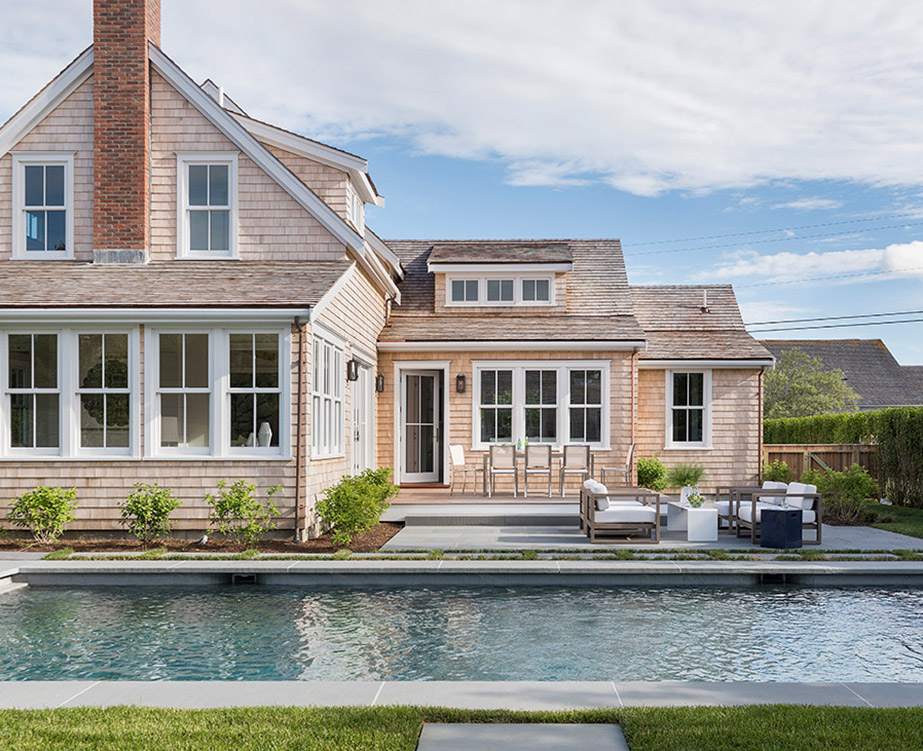
Building a custom home on Nantucket involves a timeline shaped by the island’s unique regulations and environmental considerations. You can generally expect the process to take between six and eighteen months from initial design through final construction, depending on your project’s complexity and scope. Understanding the key milestones in this timeline helps you plan realistically and avoid common delays.
With Mercatus Builders, your journey will reflect not just technical expertise but a deep respect for Nantucket’s architectural heritage and zoning culture. From securing permits in the historic district to finalizing design details that honor island traditions, you’ll work closely with a team that manages every step with care and clarity. This balanced approach ensures your home blends seamlessly into Nantucket’s distinct landscape while meeting modern standards.
Navigating the permitting process, design phases, and construction on Nantucket requires experience and patience. Knowing what to expect at each stage will give you confidence as you build your coastal retreat. Whether restoring a historic cottage or crafting a luxury new build, this timeline overview equips you to move forward with assurance and a clear understanding of your next steps. Learn more about the custom home building timeline Nantucket homeowners trust.
Understanding the Custom Home Building Timeline in Nantucket
Building a custom home on Nantucket requires a clear grasp of each construction phase, typical project durations, and factors that may affect timing. You’ll navigate a process shaped by local codes, permitting, and the unique demands of island construction.
Key Phases of Construction
The timeline begins with design and permitting, essential in Nantucket due to historic district regulations and zoning requirements. You will work closely with your architect and builder to ensure plans respect local aesthetic and conservation standards.
Next is site preparation, including clearing and foundation work, which can be influenced by soil conditions and weather. Following that, framing defines the home’s structure and shape, typically completed in weeks.
After framing, systems installation (plumbing, electrical, HVAC) occurs, integrated carefully to meet Nantucket’s building codes. Lastly, interior and exterior finishes bring craftsmanship to the forefront with detailed millwork, siding, and landscaping, ensuring your home matches the island’s character.
Typical Duration by Project Size
The duration of your custom home build depends largely on the project’s scope. Smaller, simpler homes often take 6 to 9 months from design to completion. Larger estates or homes with intricate architectural details may require 12 to 18 months or more.
A clear example:
| Project Type | Approximate Timeline |
|---|---|
| Modest new build | 6 – 9 months |
| Custom coastal retreat | 9 – 12 months |
| Large high-end estate | 12 – 18+ months |
Timeframes consider permitting delays unique to Nantucket’s preservation efforts. Engaging an experienced team, such as Mercatus Builders, can help keep your timeline realistic and efficient.
Factors That Influence Your Timeline
Several local factors can extend or shorten your build. Weather on Nantucket can be unpredictable, with the harsh winter season often slowing outdoor work.
The permitting process for Nantucket homes is rigorous, involving historic commission reviews and potentially lengthy approval times. Delays can also arise if design changes are needed to comply with zoning rules or neighborhood character.
Material availability, subcontractor scheduling, and unexpected site conditions impact your timeline. Working with a Nantucket design-build firm experienced in local challenges ensures these factors are managed proactively to minimize delays.
Planning Your Nantucket Custom Home
Successfully building a custom home on Nantucket requires a clear understanding of local regulations, site conditions, and financial planning. Your project must balance Nantucket’s unique architectural heritage with modern functionality, making early decisions critical to a smooth process.
Zoning and Permit Requirements
Nantucket enforces strict zoning laws and preservation standards, especially within Historic Districts. Before starting, you must obtain approval from the Historic District Commission (HDC) if your property lies within these boundaries. This process can take about two months and involves review of site plans, exterior materials, and design to maintain the island’s character.
Be aware of setbacks, lot coverage limits, height restrictions, and flood zone regulations. Your builder or architect should ensure all plans meet the Nantucket building codes and preservation guidelines. Starting this process early helps avoid costly delays or redesigns.
Mercatus Builders emphasizes compliance with these zoning rules, guiding you through permitting from concept to final approval.
Selecting the Ideal Location
Choosing where to build defines many elements of your home’s design and logistics. Nantucket offers diverse settings—from more developed neighborhoods to secluded coastal lots—each with distinct considerations.
Consider proximity to essential services, road access, and potential environmental constraints like wetlands or dune protection zones. The local soil composition and drainage requirements may affect foundation choices. Also, orientation impacts natural light and energy efficiency, which are key for your comfort.
If you prioritize privacy or coastal views, site selection might require additional permitting steps or environmental review. Engage with local experts who understand the subtleties of Nantucket’s terrain and community.
Setting a Realistic Budget and Schedule
Your budget should reflect not only construction costs but also architectural design, permits, site work, and contingencies. Nantucket’s remote location can increase material and labor expenses, so plan accordingly.
Expect construction timelines for new builds to range from 9 to 12 months under normal conditions. Delays due to weather, supply chain issues, or permitting can affect your schedule. Early and clear communication with your builder ensures realistic expectations.
Mercatus Builders provides detailed project timelines and cost estimates upfront. Transparent budgeting and scheduling allow you to make informed decisions and avoid surprises as your Nantucket custom home takes shape.
Design Considerations Unique to Nantucket
Designing a custom home on Nantucket requires careful attention to architectural details and materials that honor the island’s distinct charm and coastal environment. The choices you make help create a residence that blends seamlessly into its surroundings while meeting local standards.
Aligning with Nantucket Architectural Styles
Nantucket’s architecture is defined by simplicity, symmetry, and a timeless coastal aesthetic. Your home should reflect classic features such as steeply pitched roofs, wood shingles, and shuttered windows. These elements are not just stylistic but often mandated by the Nantucket Historic District Commission to maintain the island’s cohesive look.
Pay special attention to scale and proportion. Homes are generally modest in height, avoiding overpowering neighboring buildings. Window styles typically include double-hung sash or casement types, arranged symmetrically. Porches and dormers add character without compromising historical integrity.
Working with a custom home builder Nantucket who understands these nuances guides you through blending period details with contemporary functionality, preserving the home’s authenticity and complying with zoning codes.
Choosing Materials and Features for Coastal Living
Materials must withstand Nantucket’s harsh maritime climate. Cedar or white pine shingles, left to weather naturally to a silvery gray, are standard for siding and roofing. These materials resist salt spray and wind while enhancing visual harmony with the landscape.
Windows and doors should be both durable and energy efficient, given the island’s exposure to strong coastal storms. Metal flashing, storm shutters, and reinforced glass are practical choices. Using natural, untreated wood trim maintains character but requires regular upkeep.
Consider site orientation for maximizing natural light and framing water or meadow views. Elevated foundations protect against occasional flooding. Your builder will ensure all materials meet local regulations and contribute to a sustainable, long-lasting home suited to Nantucket’s environment.
Schedule a consultation to start your Nantucket build with expertise rooted in place and tradition.
Navigating Construction Challenges on Nantucket Island
Building on Nantucket requires a firm grasp of its distinctive historical context and the value of local expertise. You will face specific regulations tied closely to the island’s heritage and zoning rules, alongside the need to collaborate with professionals deeply familiar with these nuances.
Building in a Historic District
If your property falls within one of Nantucket’s historic districts, expect rigorous oversight from local authorities. The Nantucket Historic District Commission enforces strict guidelines to maintain the island’s architectural integrity. This means your design must respect traditional forms, materials, and colors.
Before construction can begin, detailed plans must be submitted and approved, emphasizing preservation of character. Special attention is required for elements like roof pitches, window styles, and exterior cladding. Errors or omissions can cause costly delays.
Working within these historic districts also involves managing the permitting process carefully. Understanding Nantucket building codes and preservation standards helps you avoid surprises and ensures your project advances smoothly while honoring the island’s legacy.
Working with Local Professionals
Selecting seasoned local partners is critical for managing Nantucket’s specific construction demands. You want a builder knowledgeable in the permitting process for Nantucket homes and conversant with the island’s zoning tips and environmental protections.
Mercatus Builders exemplify this approach, combining expertise in both new coastal home construction and Nantucket historical home restoration. Their hands-on project management and deep understanding of local codes streamline your build and align it with the island’s aesthetic norms.
Local architects and contractors bring insight into factors like seasonal weather impacts, material sourcing, and conservation requirements unique to Nantucket. This collaboration minimizes risk, keeps your timeline on track, and ensures the final home fits harmoniously within its setting.
Managing the Build: From Groundbreaking to Completion
Your custom home’s journey on Nantucket is shaped by precise sequencing and attention to detail. Each phase demands careful oversight—from preparing the site to finishing the interior—ensuring the build respects local codes and reflects the island’s character.
Site Preparation and Foundation
Site preparation begins with clearing, grading, and addressing any environmental concerns specific to Nantucket’s coastal terrain. You’ll see excavation crews carefully remove topsoil and level the ground while preserving nearby vegetation where possible.
Foundation work follows closely, often using concrete slab or pier-and-beam systems suited to Nantucket’s sandy soils and salt air exposure. Proper drainage installation is essential to avoid moisture issues, a frequent challenge in coastal construction. During this phase, you or your builder will coordinate with local authorities to confirm foundational compliance with Nantucket building codes and zoning regulations.
Clear communication of soil stability reports and adherence to site-specific engineering plans are vital to prevent delays. This stage typically lasts 4 to 8 weeks but may extend based on site complexity or permitting timelines.
Interior and Exterior Milestones
Once the foundation is set, framing marks the visible start of your home. Expect the erection of walls, floors, and roof systems, often designed to complement Nantucket’s traditional architectural styles, such as shingle-style exteriors or classic gambrel roofs.
Next is the installation of windows, siding, and roofing materials, which are chosen not only for aesthetics but also for durability against salt air and seasonal weather. Interior work includes rough plumbing, electrical, and HVAC, followed by insulation and drywall. These milestones define the home’s form and functionality.
Your involvement in decisions such as custom millwork, flooring selection, and cabinetry ensures the interiors align with your lifestyle and heritage aesthetics. Throughout, Mercatus Builders emphasizes coordination with local suppliers and craftsmen to maintain quality and timely delivery.
Inspections and Quality Control
Inspections are critical checkpoints you’ll encounter regularly during your Nantucket build. The town’s inspectors will verify every stage adheres to strict codes, especially for electrical, plumbing, and structural elements.
Your builder will also conduct internal walkthroughs to catch details early, ensuring finishes meet high standards. This includes verifying moisture barriers, window seals, and finish carpentry for quality and precision.
Maintaining a detailed inspection schedule helps avoid costly rework and facilitates smoother final approval. Expect multiple site visits over the course of construction, each contributing to the assurance that your custom home embodies craftsmanship, safety, and compliance. Mercatus Builders prides itself on transparent communication during this process, keeping you informed and confident every step of the way.
Final Steps and Moving Into Your New Nantucket Home
When your custom home nears completion, several critical actions solidify the transition from construction to living. You will verify all details, secure necessary documentation, and establish ongoing support to protect your investment. Each stage ensures your new Nantucket home meets your expectations and complies fully with local standards.
Final Walk-Through and Punch List
Your final walk-through is an opportunity to closely inspect your home alongside your builder. Pay attention to craftsmanship, finishes, and functionality of systems like plumbing, electrical, and HVAC.
During this visit, a punch list is created to document any imperfections or incomplete work. Common items include paint touch-ups, hardware adjustments, or landscaping details.
Ensure every item is clearly noted with deadlines for completion. This step guarantees that Mercatus Builders addresses all concerns before you move in. It is your last chance to confirm quality and compliance with Nantucket building codes and design standards.
Obtaining Certificates and Documentation
Before occupancy, you must secure essential approvals such as the Certificate of Occupancy. This document certifies that your home meets all safety, zoning, and building code requirements specific to Nantucket.
Additionally, you will receive warranties, manuals for installed appliances and systems, and any permits used during construction. Keep these documents organized for future reference and resale value.
Your custom home builder Nantucket team will coordinate with local authorities to ensure all paperwork is in order. Prompt acquisition of these certificates allows a smooth transition into your new residence without regulatory interruptions.
Post-Construction Services and Warranties
After moving in, reliable post-construction support is vital. Mercatus Builders typically provides warranties on structural elements, workmanship, and mechanical systems. Familiarize yourself with coverage terms and response times to protect your home against unexpected defects.
Routine maintenance recommendations tailored for Nantucket’s coastal environment will help preserve your home’s integrity and aesthetic.
Schedule periodic inspections if offered, as these can catch issues early and maintain compliance with local conservation requirements. This ongoing care reflects true craftsmanship, ensuring your home remains a lasting retreat grounded in the island’s heritage.
Frequently Asked Questions
Building a custom home on Nantucket requires careful planning and a detailed understanding of local regulations and conditions. Timelines are shaped by multiple factors that demand precision and adaptability to ensure your project proceeds smoothly without compromising the island’s architectural heritage.
What factors influence the construction timeline of a custom home in Nantucket?
Several factors influence how long your project will take. These include the complexity of your home’s design, availability of skilled labor, weather conditions unique to Nantucket, and timely delivery of materials.
Local zoning rules and conservation requirements often add to the timeline, as they require compliance reviews and may necessitate adjustments to the original plans. Working with a Nantucket design-build firm familiar with these constraints helps navigate this efficiently.
What are the typical phases of building a custom home and their durations?
Custom home construction generally follows these key phases: design and permitting, site preparation, foundation work, framing, exterior and interior finishes, and final inspections.
Design development and permitting can take 3 to 6 months on Nantucket. Construction itself usually requires 8 to 12 months, depending on the scope and weather. Allowances for historical district approvals can extend these phases slightly.
How do seasonal weather patterns in Nantucket affect home construction scheduling?
Nantucket’s coastal climate means winters can be harsh, wet, and cold, limiting exterior work from late fall through early spring. Summer and early fall are prime building seasons due to more stable temperatures and reduced rainfall.
You should plan site excavation, framing, and exterior finishes during warmer months to avoid delays related to weather.
What are common delays encountered during custom home construction and how can they be mitigated?
Delays often stem from permit processing, unexpected weather events, and supply chain disruptions. Changes requested after construction begins can also add time and cost.
Mitigate these by engaging experienced project managers early, adhering to a strict permitting schedule, and ordering materials well in advance. Partnering with Nantucket coastal construction experts ensures realistic scheduling that accounts for the island’s distinctive challenges.
What pre-construction steps are essential for staying on schedule with a custom home build in Nantucket?
Before breaking ground, securing all necessary permits and approvals is critical. Comprehensive site evaluations to uncover any hidden site constraints help avoid surprises.
Clear communication of your design vision from the start and prompt decision-making accelerate the process. Mercatus Builders emphasizes thorough pre-construction planning to maintain your timeline while respecting Nantucket’s historic integrity.
How does obtaining permits and approvals impact the custom home building process timeline in Nantucket?
Permitting requires submission to multiple local boards, including historic district commissions and conservation authorities. These reviews safeguard Nantucket’s unique architectural and environmental character but can take several months.
Early engagement with permitting authorities and submitting complete, code-compliant applications help reduce delays. Understanding the permitting process for Nantucket homes is paramount to keeping your project on track.