Cape Cod New Construction Home Process Explained: A Step-by-Step Guide
August 13th, 2025 | by mercatus_edits | Posted in Uncategorized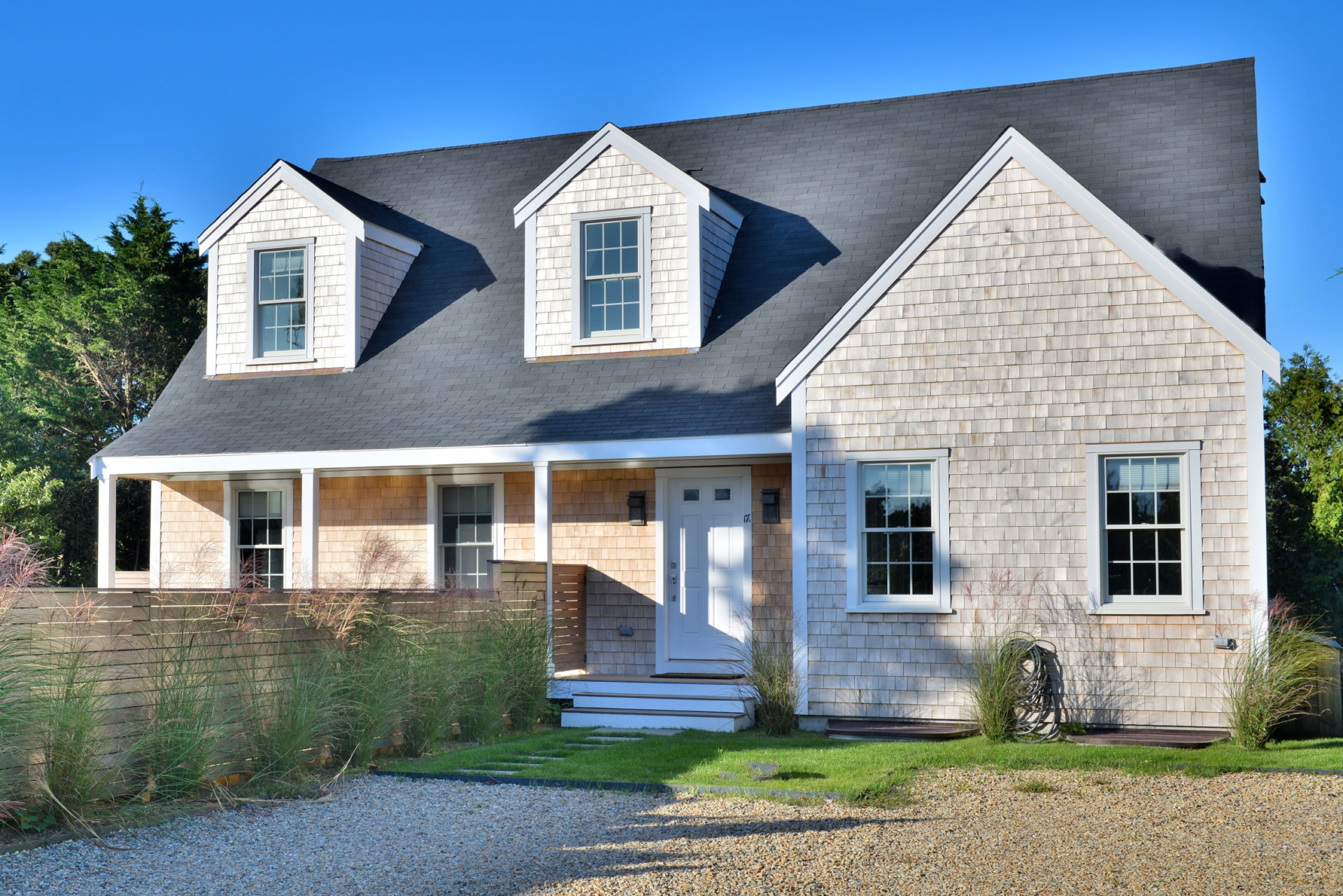
Building a new home on Nantucket involves more than just construction; it requires a deep understanding of the island’s unique architectural heritage, zoning regulations, and conservation standards. The Cape Cod new construction home process is a careful balance of honoring local history while incorporating modern design and building practices to create a home that fits seamlessly into its coastal setting. Navigating this process confidently means partnering with a builder who respects the island’s character and guides you through every step.
When you work with Mercatus Builders, you gain a team experienced in managing the complexities of Nantucket’s permitting and building codes, ensuring your project moves forward without unexpected delays. From site assessment and permit applications to detailed craftsmanship and final inspections, each phase is handled with precision and care. Your new home will reflect both the timeless grace of Nantucket’s architecture and the functionality you require for contemporary living.
Understanding what to expect helps you make informed decisions and manage your investment wisely. This process covers everything from initial designs respectful of Nantucket’s historic districts to integrating energy-efficient materials suited for the coastal environment. If you’re ready to embark on building a custom home that honors Nantucket’s legacy, learning these essential steps will prepare you for a successful, well-managed project. Schedule a consultation with Mercatus Builders to start your journey with confidence.
Overview of the Cape Cod New Construction Home Process
Building a new home on Cape Cod involves several carefully coordinated steps, designed to balance your vision with local regulations and environmental considerations. Each stage, from initial design through final build, requires attention to detail and expert guidance to ensure quality craftsmanship and compliance.
The process provides clear benefits including customization, efficiency, and cost control. Understanding how construction timelines unfold will help you manage expectations and prepare financially for your project.
Understanding the Home Building Journey
Your journey begins with site selection and design, both influenced heavily by Cape Cod’s unique coastal environment and zoning regulations. Early collaboration with your builder helps tailor your architectural plans to meet these standards while fulfilling your lifestyle needs.
Following design approval, the permitting process can take weeks or months, as local boards review environmental impact, historic preservation requirements, and coastal construction norms. Patience and proactive communication are essential here.
Construction phases then move from foundation laying to framing, roofing, and interior finishes. Each phase demands close oversight to ensure materials meet durability standards for coastal exposure and that scheduling aligns with weather conditions.
Mercatus Builders offers expertise in navigating this process, blending modern construction techniques with the craftsmanship needed for Cape Cod’s climate and aesthetic.
Key Advantages of New Construction
Starting from the ground up gives you complete control over layout, materials, and finishes, avoiding compromises often necessary in older homes. This means you can incorporate energy-efficient systems and resilient coastal materials from the outset.
You will also benefit from warranties on new home components, which translate to fewer unexpected repair costs in the first years of occupancy. New construction homes often feature improved insulation, modern systems, and design elements that accommodate contemporary living with minimal maintenance.
Custom builders like Mercatus Builders bring an intimate knowledge of Nantucket’s architectural heritage while addressing today’s sustainability standards, ensuring your home respects local character and offers lasting comfort.
Time Savings and Efficiency
Efficient project management reduces costly delays often seen in renovation or retrofit projects. By following a structured timeline—starting with permitting, then sequencing construction activities—you save time and avoid common pitfalls.
Modern construction methods combined with expert scheduling help keep your build on track, even accounting for Cape Cod’s coastal weather challenges. Clear milestones allow you to plan your move-in and related logistics confidently.
Expect the entire process to take roughly 12 to 18 months depending on site complexity and custom features. Staying engaged with your builder throughout ensures transparent communication and timely problem resolution that protect your investment.
For detailed insights into the full timeline and step-by-step planning, consider consulting resources on the new home construction timeline on Cape Cod.
Planning and Site Preparation
Understanding the nuances of your property and establishing clear expectations early are essential steps. These foundational decisions shape how your home will sit on the land, how the building process unfolds, and how costs and timelines are managed. You must balance practical site conditions with your vision and budget.
Initial Consultation and Goal Setting
Your first meeting should clarify your priorities, desired style, and functional needs. A builder experienced in Nantucket’s unique zoning and architectural traditions, like Mercatus Builders, will help translate your ideas into a realistic plan. Discussing energy efficiency, materials, and any historic influences will guide design choices.
This phase sets the direction for every subsequent decision. Prepare to share thoughts on room layouts, outdoor spaces, and any special features. Clear communication here avoids costly changes later and ensures your home respects Nantucket’s architectural heritage.
Evaluating Site Conditions
Before construction begins, a thorough assessment of your land reveals topography, soil quality, drainage, and exposure to coastal weather. These factors influence foundation type, site orientation, and landscaping plans. For Nantucket homes, attention to erosion controls and environmental protection is critical.
You should expect soil tests, surveys, and possibly environmental reviews. Any restrictions due to wetlands or historical district zoning must be identified early to avoid delays. Working with experts who understand Nantucket building codes and preservation requirements ensures your build complies with all regulations and sustains the island’s natural character.
Budget Development and Timeline Setting
Establishing a detailed budget aligned with your goals and site realities prevents surprises. Costs typically include permits, site prep, foundation work, materials, labor, and contingency for unforeseen issues. Mercatus Builders recommends breaking the budget into phases to track expenses effectively.
Setting a realistic timeline is equally crucial. Site preparation can take several weeks, depending on complexity. Factor in permitting periods, inspections, and weather delays common to coastal locations. A clear schedule helps coordinate subcontractors and ensures timely project milestones, keeping your Nantucket build on track.
Home Design and Engineering
Designing and engineering a home on Cape Cod requires a careful balance of aesthetic appeal, structural integrity, and environmental responsiveness. Your choices in style, materials, and engineering techniques will directly impact how well your home performs and endures the region’s coastal climate.
Custom Home Design Options
Your home design should reflect both your lifestyle and Cape Cod’s architectural traditions. You can choose from classic Cape styles like saltbox, shingle, or gambrel roofs, each adapted for coastal living. Custom features like wide porches, dormer windows, and natural wood siding contribute to authentic character while enhancing functionality.
A skilled custom home builder Nantucket or Cape Cod will integrate these design elements while ensuring compliance with local zoning and historic district guidelines. Detailed planning of room layouts, natural light, and connection to outdoor spaces is essential for comfort and resale value.
Engineering for Cape Cod’s Environment
Engineering your home for Cape Cod means addressing coastal weather, salt air, and potential flooding. Foundations often require elevated designs or flood-resistant materials to withstand storms and rising sea levels. Structural components must be durable and corrosion-resistant to endure salt exposure.
Mercatus Builders employs engineering solutions that blend modern technology with traditional craftsmanship. They ensure HVAC systems support energy efficiency and indoor air quality while meeting Nantucket building codes and preservation requirements. Thoughtful site orientation and wind-resistant framing are also critical to long-term stability.
Selecting Materials and Features
Material choice directly affects your home’s lifespan and maintenance needs. For Cape Cod, select materials like cedar shingles, composite decking, and stainless steel fasteners that resist moisture and decay. Sustainable and locally sourced options align with environmental goals and conservation rules.
Features such as energy-efficient windows, advanced insulation, and passive solar design can reduce energy consumption while enhancing comfort. Your Nantucket design-build firm should help you prioritize these elements to harmonize modern living standards with the region’s historic aesthetic. Schedule a consultation to start your Nantucket build with Mercatus Builders.
Permitting and Regulatory Considerations
Navigating Cape Cod’s permitting and regulatory landscape requires precise attention to zoning, environmental rules, and building approvals. Securing the right permits early avoids delays and ensures your project meets local standards without unnecessary complications.
Zoning and Local Regulations
Your property’s zoning classification dictates allowable uses, setbacks, building height, and lot coverage. Cape Cod’s towns enforce specific rules designed to preserve neighborhood character and environmental integrity.
Expect strict limitations if your lot is near wetlands, conservation districts, or historic neighborhoods. These rules govern not only the size and placement of your home but also architectural style and exterior materials in some areas.
You should review local zoning maps and ordinances at the town hall or online before planning. Consider setbacks, height restrictions, and usage limitations that affect your home’s footprint and design. Consulting a Nantucket design-build firm like Mercatus Builders early can clarify what zoning bounds you must respect.
Obtaining Building and Environmental Permits
After confirming zoning compliance, you must obtain permits covering construction, utilities, and environmental protections. Cape Cod’s permitting process can involve multiple agencies including local building departments, conservation commissions, and health boards.
Common permits include:
- Building permit for structural work
- Septic or sewer permits
- Conservation permits for projects near protected land or wetlands
You will need detailed plans, engineering reports, and often an application fee. Expect on-site inspections throughout construction. Proper preparation and documentation can streamline approvals, saving time.
Mercatus Builders can help guide you through these requirements, ensuring your plans meet all conditions before submission.
Overcoming Common Permitting Challenges
Delays and appeals often arise from incomplete applications, unclear environmental impacts, or neighborhood opposition. Wetlands protection is a frequent challenge on Cape Cod, requiring clear evidence your project won’t harm sensitive habitats.
To avoid setbacks:
- Submit comprehensive documentation
- Maintain open communication with permitting officials
- Engage neighbors early if your project affects shared spaces or views
When encountering objections, professional mediation and expert testimony may resolve disputes.
Proactive planning and working with a coastal construction expert reduce risks. Understanding and anticipating these hurdles helps secure timely approval and a smoother build process. Schedule a consultation to start your Cape Cod permitting with confidence.
Construction Phases and Project Management
Your new home’s construction requires precise coordination through clearly defined stages. Each phase builds upon the previous one, ensuring structural integrity, compliance with Nantucket building codes, and attention to timeless design details. Effective project management keeps the process on schedule and within your budget.
Site Work and Foundation
The construction begins with preparing your lot according to the approved plans and local zoning regulations. Site clearing, grading, and excavation are performed to create a stable base without disturbing protected areas or vegetation critical to Nantucket’s ecosystem.
Next, your foundation is laid with materials suited to withstand coastal conditions and soil types common on Nantucket. This phase includes footings, concrete pouring, and waterproofing measures essential for protecting your home from moisture intrusion. Proper foundation work is crucial to the long-term durability and performance of your custom home.
Framing and System Installation
Once the foundation cures, framing shapes the home’s skeleton. This includes exterior walls, floors, and roof trusses installed to precise measurements reflecting your design.
Following framing, major mechanical systems are integrated. Plumbing, electrical wiring, HVAC ducting, and insulation are strategically placed. You’ll want these installations done by specialists familiar with Nantucket’s energy and safety codes to avoid costly delays. A well-executed framing and systems phase results in a solid, energy-efficient structure ready for finishing.
Interior and Exterior Finishing
After framing and systems are inspected and approved, exterior cladding and roofing begin. This step protects your home from harsh coastal weather while achieving the refined aesthetic expected from a Nantucket home.
Inside, walls are insulated and drywalled, then cabinetry, flooring, and fixtures are installed. Millwork and trim must honor Nantucket’s architectural heritage through appropriate molds and materials. Quality finishes and craftsmanship reflect Mercatus Builders’ commitment to blending tradition with modern functionality.
Final Walk-Through and Delivery
Before handing over your home, a detailed final inspection confirms everything meets design specifications and local regulations. This includes testing mechanical systems, checking finishes for quality, and ensuring exterior landscaping complements your property.
Your home is officially delivered once you approve the walk-through. At this stage, any minor punch list items are addressed promptly. This careful closeout guarantees your new Nantucket residence is ready for occupancy and built to the highest standards you expect.
Schedule a consultation to start crafting your Nantucket home with knowledgeable oversight through each construction phase.
Expanding Your New Cape Cod Home
Planning for additional space in your Cape Cod home requires thoughtful integration with the original architecture and local regulations. Expansion should balance functionality, style, and long-term adaptability to fit your lifestyle on Nantucket.
Incorporating Home Additions
When adding to your Cape Cod home, focus on preserving the architectural integrity while enhancing usability. Common home additions include expanding kitchens, adding primary bedrooms, or building garages that blend seamlessly with the classic Cape silhouette.
Key considerations for a successful addition:
- Match exterior materials and rooflines to maintain a cohesive appearance.
- Adhere strictly to Nantucket building codes and historic district regulations.
- Work with a builder experienced in coastal home construction to ensure durability against local weather.
Mercatus Builders specializes in such additions, combining skilled craftsmanship with precise compliance to zoning and preservation standards. Thoughtful design choices, like dormer extensions or tasteful bump-outs, can increase your living space without compromising historical charm.
Future Flexibility and Expansion Planning
Planning your home’s expansion now can save time and expense later. Design your new build with potential additions in mind, using structural reinforcements or pre-planned utility access points.
Focus on:
- Creating adaptable layouts that allow for rooms to serve multiple functions.
- Reserving space on your lot while respecting Nantucket setbacks and conservation areas.
- Considering vertical expansions, like second-story rooms or attic conversions, which preserve your home’s footprint.
Early coordination with your builder, such as Mercatus Builders, during the permitting process can anticipate future needs. This foresight ensures your Cape Cod home evolves gracefully with your lifestyle without disrupting its timeless appeal.
Frequently Asked Questions
Building a new home on Cape Cod requires careful planning, budgeting, and coordination with experienced builders. Understanding the timeline, costs, and regulatory environment will help you make informed decisions throughout the process.
What are the steps involved in purchasing a new construction home on Cape Cod?
You start by selecting a suitable lot or land for your home. Then work with architects and builders to design plans that comply with local codes.
Next, secure the necessary permits, finalize contracts with your builder, and begin construction. Regular site visits and communication ensure progress aligns with your expectations.
How much does it typically cost to build a new home in Cape Cod?
Costs vary widely depending on size, materials, design complexity, and site conditions. Expect to budget for land acquisition, construction, permits, and landscaping.
High-end custom homes on Cape Cod often run above standard market rates due to the coastal environment and regulatory requirements. Getting a detailed estimate from a trusted builder like Mercatus Builders will clarify costs.
What are the common timeframes for building a new home in Cape Cod from start to finish?
The full process generally takes 9 to 18 months, depending on project scale and permitting timelines.
Initial design and permitting alone can take several months, especially with local zoning and conservation rules. Construction is typically 6 to 12 months once permits are approved and materials sourced.
What should I look for in a builder or contractor for a new home in Cape Cod?
Choose a builder with proven expertise in coastal construction and local building codes. Look for strong project management skills and a portfolio of completed custom homes that respect the regional architectural style.
Transparent communication, timely scheduling, and craftsmanship detail are key qualities. Mercatus Builders emphasizes hands-on management and adherence to Nantucket’s unique standards, setting a high bar for clients.
Are there any specific building codes or regulations to consider when constructing a new home on Cape Cod?
Yes, Cape Cod has strict zoning, coastal conservation, and floodplain regulations.
You will need to follow local stormwater management protocols, historical district overlays (if applicable), and state environmental protections. Permitting processes can be complex and require compliance documentation.
How can I ensure the quality and craftsmanship of my new Cape Cod home during construction?
Maintain regular site visits and detailed communication with your builder throughout construction.
Insist on using quality materials suited for coastal climates and demand adherence to agreed specifications. Engaging a builder with deep local experience like Mercatus Builders helps guarantee these standards are met from foundation to finish.