Can You Build a House in the Nantucket Winter? Exploring Feasibility and Challenges
June 26th, 2025 | by mercatus_edits | Posted in Uncategorized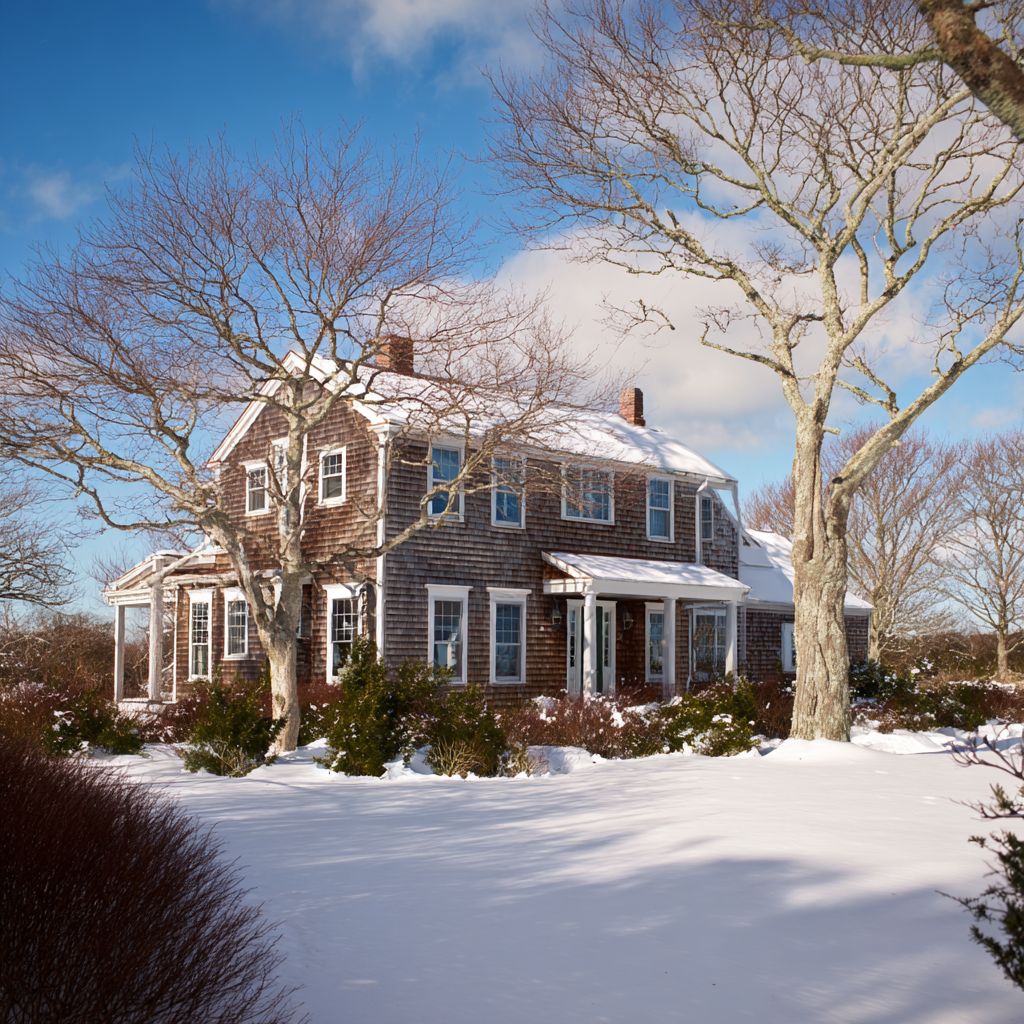
Building a house in Nantucket during the winter can present unique challenges, but it is entirely possible. While the cold temperatures and potential for snow may slow down some processes, with the right planning and expertise, winter construction can proceed successfully.
As a Nantucket-based construction company, Mercatus Builders understands the intricacies of local building codes and seasonal weather conditions. Proper winterization techniques and a solid understanding of the permitting process can keep your project on track.
If you’re considering a winter build, it’s essential to work with a team that respects Nantucket’s architectural heritage while adeptly managing the logistics of cold-weather construction. Mercatus Builders is equipped to turn your vision into reality, even in the colder months.
Understanding Nantucket’s Winter Building Environment
Building during Nantucket’s winter season requires an awareness of specific weather conditions and unique challenges. Understanding these factors will help you navigate the complexities and make informed decisions for your project.
Typical Nantucket Weather Conditions During Winter
Nantucket winters are characterized by cold temperatures, frequent snow, and strong winds. Average temperatures can range from the low 30s to mid-40s Fahrenheit. Snowfall can be significant, creating potential delays in construction timelines.
The island’s coastal location exacerbates wind chill, often making it feel colder than the actual temperature. This not only affects worker comfort but also materials’ performance and handling. Rain is common, impacting ground conditions and construction site safety.
When planning your project, be prepared for inconsistent weather patterns. This unpredictability can influence scheduling and necessitate contingency plans to ensure progress throughout the winter months.
Challenges Unique to Nantucket Construction Sites
Construction on Nantucket presents specific challenges due to local regulations and environmental factors. The island’s zoning laws often require careful adherence to preservation guidelines, especially for projects in historic districts.
Additionally, the remote location can complicate logistics. Heavy equipment and materials delivery may be hindered by winter weather or limited access. This necessitates close coordination with suppliers and sub-contractors to maintain your timeline.
At Mercatus Builders, we understand these nuances. Our team is experienced in navigating the permitting process for Nantucket homes, ensuring compliance with local building codes and regulations. This depth of knowledge is essential for preserving the integrity of construction while meeting your design aspirations.
Permitting and Regulatory Considerations
Building a house in Nantucket during winter requires careful attention to permitting and regulatory considerations. The process can be complex but understanding the requirements will keep your project on track. Key factors include securing the necessary building permits and complying with local regulations, especially those set forth by the Historic District Commission.
Securing a Building Permit in the Off-Season
To build on Nantucket, you’ll first need to obtain a building permit. Applications can be submitted to the building department located at 2 Fairgrounds Road.
Important steps include:
- Prepare Documentation: Detailed project plans are essential for your application. Include aspects such as environmental impacts and construction plans.
- Consult Local Guidelines: Familiarize yourself with Nantucket building codes and zoning requirements.
- Engage with Key Boards: Your application may need approvals from various boards, including the Conservation Commission and Planning Board.
Working during the off-season can be beneficial, as it may lead to shorter wait times for approval. Mercatus Builders excels in navigating this intricate process to help ensure compliance.
Complying with the Historic District Commission
If your project is within a historic district, compliance with the Historic District Commission (HDC) is crucial. This review safeguards Nantucket’s architectural heritage.
Key considerations include:
- Design Aesthetics: Your proposed design must reflect historical styles that fit the neighborhood.
- Consultation Process: You’ll likely need to attend a public hearing where your plans will be reviewed.
- Approval Timeline: HDC approval can take time; plan your schedule accordingly.
Engaging with a knowledgeable partner like Mercatus Builders can enhance your chances of a smooth approval process while ensuring your construction honors the island’s heritage.
Designing and Planning for Winter Construction
Successfully building a home on Nantucket during the winter requires careful planning and design considerations. Collaborating with local experts will ensure that your project adheres to both aesthetic and regulatory standards, while adaptive home designs will address the unique challenges presented by the island’s winter climate.
Collaborating With a Local Architect
Engaging a local architect is critical for your Nantucket home project. Their expertise in the region’s architectural styles and local building codes ensures that your design respects the island’s heritage while meeting contemporary needs.
A local architect can also provide invaluable insights into seasonal construction challenges. They will help you select materials suitable for winter durability and energy efficiency. Look for architects familiar with the zoning nuances of Nantucket. Their experience will streamline the permitting process for Nantucket homes, making your building journey smoother.
With a solid design plan in place, you can align your vision with local regulations, ensuring compliance throughout the construction phase. Teaming up with a skilled professional ensures that your dream home is functional, elegant, and integral to the Nantucket landscape.
Adapting Home Design for Seasonal Demands
When designing for winter construction, specific adaptations are essential. Emphasize energy-efficient features such as high-quality insulation and storm-resistant windows. These elements not only enhance comfort during the winter but also contribute to lower energy costs.
Consider roof designs that facilitate snow shedding to prevent excessive accumulation. Limitations imposed by winter weather may necessitate tailored materials; for instance, opting for durable siding that withstands harsh conditions can be beneficial.
Incorporate heated outdoor spaces or entryways to keep pathways clear and safe. Effective planning of drainage systems can mitigate potential water issues after snowmelt, ensuring proper water management around your home.
Mercatus Builders specializes in creating custom homes that are resilient to Nantucket’s unique climate. Our approach centers on blending practical concerns with sophisticated design, ensuring that your new build stands the test of time and seasonal transitions.
Hiring and Managing Contractors in Winter
Building a home in Nantucket during the winter requires strategic hiring and management of contractors to ensure your project stays on track. The unique challenges of the season necessitate careful planning to balance schedules, resources, and contractor expertise.
Selecting Experienced Nantucket Contractors
When hiring contractors, prioritize those with extensive experience in Nantucket’s winter conditions. Look for a contractor who understands the specific challenges posed by cold weather, such as delayed material deliveries and potential safety hazards.
Key criteria for selection include:
- Local Knowledge: Familiarity with Nantucket’s building codes and unique environmental considerations.
- Winter Experience: Proven history of successful projects completed in winter months.
- References: Verify past client experiences to ensure reliability and craftsmanship.
Mercatus Builders specializes in overseeing winter projects, ensuring that every aspect of construction aligns with the island’s architectural heritage while adhering to current regulations.
Project Scheduling and Workforce Considerations
Effective project scheduling is crucial in winter months. With decreased daylight hours and unpredictable weather, you need to plan timelines carefully.
Important considerations include:
- Flexible Timelines: Build contingencies for weather-related delays.
- Resource Allocation: Schedule work based on contractor availability to maximize productivity during peak weather windows.
- Workforce Management: Ensure your contractor has a reliable team accustomed to winter work, as site safety is paramount.
Maintaining clear communication with your team will enhance collaboration and responsiveness. Partnering with a well-prepared contractor like Mercatus Builders can streamline this process, ensuring your winter project is both efficient and successful.
Site Preparation and Environmental Factors
Building on Nantucket during winter requires careful planning regarding site preparation and environmental considerations. Addressing these elements early on will help ensure compliance with local regulations and protect the island’s unique ecosystem.
Protecting and Managing Ground Cover
When preparing your site, it’s essential to protect existing ground cover. Preserving native vegetation minimizes soil erosion and supports local wildlife. This can be achieved through methods such as:
- Using barriers: Provide physical protection to green areas from construction activities.
- Silt fences: These help to control sediment runoff during the building process.
- Root zone protection: Ensure that trees and plants remain undisturbed by marking their areas clearly.
Working with experienced professionals like Mercatus Builders is crucial, as they can offer insights into best practices tailored to Nantucket’s environment. They understand the significance of maintaining a healthy ecosystem while ensuring your construction project progresses smoothly.
Working With the Conservation Commission
Navigating the regulations set by the Conservation Commission is critical. Nantucket emphasizes conservation, and securing approvals often involves several steps, such as:
- Submitting site plans: Clearly outline your project and its potential environmental impact.
- Conducting site assessments: Evaluate the natural features that may be affected, including wetlands, dunes, and wildlife habitats.
- Implementing protective measures: Show how you intend to safeguard sensitive areas during construction.
Engaging with the Conservation Commission can be complex. Having a knowledgeable partner like Mercatus Builders can simplify this process. Their experience with local building codes and preservation efforts will facilitate compliance while respecting the island’s natural beauty.
Frequently Asked Questions
Building a house in Nantucket during the winter months brings unique challenges and considerations. Understanding local regulations, the impact of the winter climate, and the practicalities for construction teams can help you navigate the process effectively.
What are the challenges of constructing a home on Nantucket during winter months?
Winter construction on Nantucket can be difficult due to inclement weather conditions, including snow and freezing temperatures. These factors can delay construction timelines and may necessitate additional precautions to protect materials and workers.
Are there any building regulations specific to winter construction in Nantucket?
The Town of Nantucket enforces specific building codes and regulations that may affect winter construction. Certain permits must be obtained, and it is crucial to follow regulations that apply to safety, materials, and site work during colder months.
How does the winter climate on Nantucket affect the home building process?
The winter climate can hinder daily operations, leading to schedule adjustments. Cold temperatures can affect material handling and curing times for concrete and other materials. Contractors must plan for these changes to ensure project continuity.
What accommodations are available for construction workers in Nantucket throughout the winter?
Accommodations for construction workers can vary during winter. Some companies may provide temporary housing while others may coordinate with local vendors for lodging to ensure teams have a comfortable place to stay while working.
What is the typical timeline for building a home in Nantucket, considering winter conditions?
Timelines for building a home can extend in winter due to weather delays. Depending on the scope of your project, initial phases like site preparation might proceed, while framing and finishing could be pushed to warmer months. Working with a local expert like Mercatus Builders can provide clarity on your specific timeline.
How do the fluctuating population levels in Nantucket impact house building in the off-season?
Nantucket’s winter population is significantly lower than in summer, which can affect the availability of labor and materials. Many construction firms scale back operations, but using a local builder, such as Mercatus Builders, ensures you have access to skilled tradespeople and resources even in the off-season.