Building a House on Nantucket: Essential Considerations and Expert Tips
June 23rd, 2025 | by mercatus_edits | Posted in Uncategorized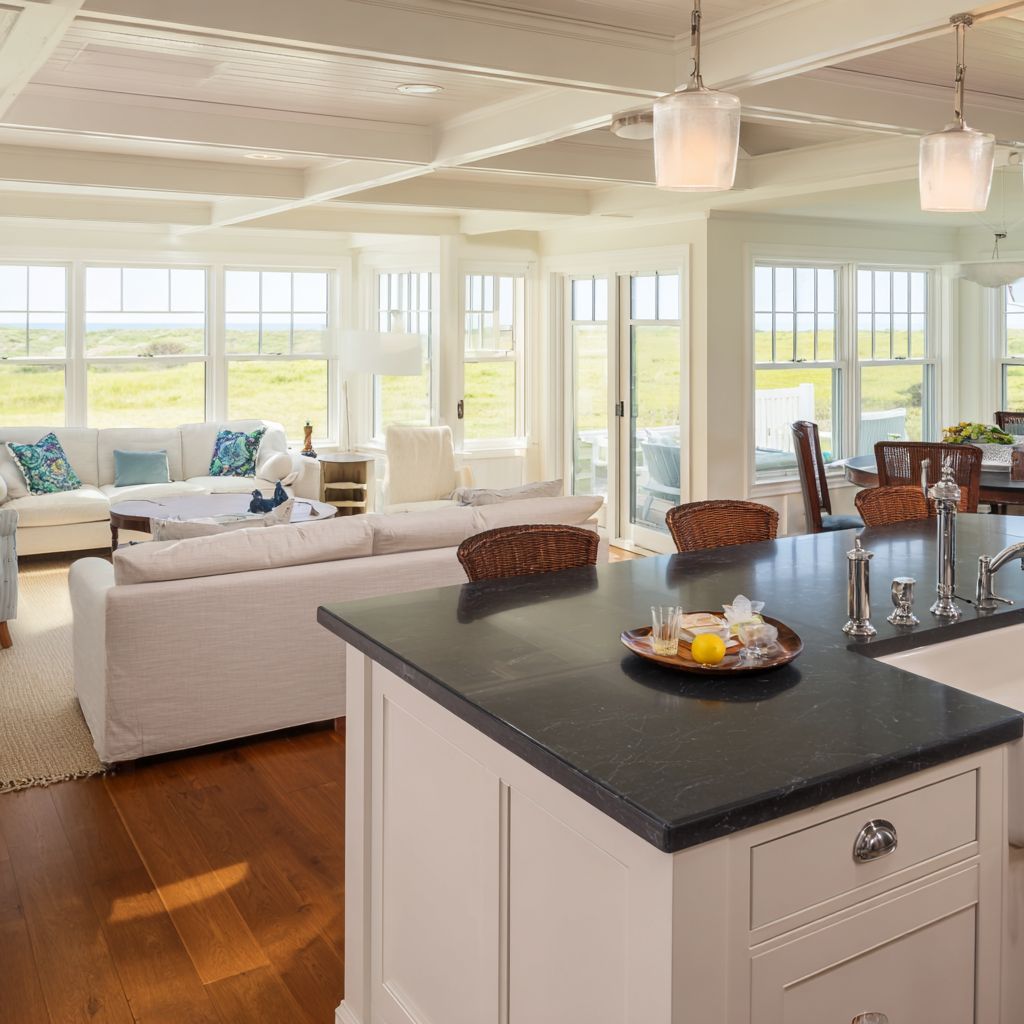
Building a house on Nantucket involves navigating unique regulations and a rich architectural landscape. Understanding local building codes and conservation requirements is essential to ensure your vision aligns with the island’s character. Working with an experienced builder like Mercatus Builders can help you seamlessly integrate modern living with Nantucket’s historical charm.
As you embark on this journey, consider the benefits of collaborating with a local firm that respects the island’s heritage. At Mercatus Builders, we specialize in crafting custom homes and restoring historical properties, ensuring that each project honors the craftsmanship and character that define Nantucket. Whether you’re looking to create a new coastal retreat or restore a historic cottage, quality and attention to detail will be at the forefront.
The permitting process for Nantucket homes can be complex, but it doesn’t have to be overwhelming. By partnering with experts familiar with the local landscape, you can navigate zoning tips and regulations with confidence, making your dream home a reality on this beautiful island.
Planning Your Nantucket Home
Effective planning is essential when building your home on Nantucket. It involves understanding local regulations, choosing the right location, and preparing a realistic budget and timeline. Each of these areas plays a crucial role in ensuring your project runs smoothly and meets local standards.
Researching Zoning & Permitting
Before you begin your build, familiarize yourself with Nantucket’s zoning laws and permit requirements. Building codes here emphasize the preservation of the island’s historic character and ecological integrity.
Key steps include:
- Identifying zoning districts: Your property will fall within specific zoning regulations that dictate what can be built and where.
- Understanding building codes: These outline construction standards and must be adhered to throughout your project.
- Applying for permits: Depending on your project’s scope, you may need several permits from the Nantucket Historical Commission and other local bodies.
Consulting with Mercatus Builders can streamline this process, as they specialize in navigating these complexities to ensure compliance and successful approvals.
Selecting the Best Location
Choosing the right location is critical for your Nantucket home. Consider factors such as proximity to amenities, natural surroundings, and local community.
Here are some important aspects to evaluate:
- Neighborhood context: Investigate the characteristics of various neighborhoods to find one that aligns with your lifestyle.
- Access to services: Proximity to schools, shops, and recreational facilities can enhance your living experience.
- Environmental considerations: Pay attention to coastal regulations and sustainability practices, especially in areas vulnerable to erosion.
Mercatus Builders can assist you in assessing potential sites, ensuring you make informed decisions that respect both the land and community ethos.
Setting Your Budget and Timeline
Establishing a clear budget and realistic timeline is essential for a successful build. Start by defining your financial limits based on your needs and long-term plans.
Consider the following:
- Cost estimates: Work with builders to identify costs associated with materials, labor, and permits.
- Contingency funds: Set aside at least 10-15% of your budget for unforeseen expenses.
- Realistic timelines: Projects can face delays; allow for flexibility in your schedule.
By having Mercatus Builders on board, you’ll benefit from experienced project management that helps keep your build within budget and on track.
Design Considerations for Nantucket Houses
When building a house on Nantucket, several essential design considerations will enhance both the aesthetic and functional aspects of your home. From aligning with architectural styles unique to the island to employing sustainable building practices, understanding these factors is key to creating a harmonious residence that respects the local environment.
Incorporating Nantucket Architectural Styles
Nantucket boasts a distinctive architectural heritage characterized by simple, functional designs. You should consider styles such as the iconic Whaling cottage or the more modern coastal designs that feature clean lines and natural materials. Using weathered cedar shingles and traditional siding can reflect the local character.
Ensure your design honors the Historic District Commission (HDC) guidelines as they greatly influence new builds. Collaborating with skilled designers and builders, like Mercatus Builders, can provide insight into these historical nuances, ensuring your home respects Nantucket’s architectural legacy.
Sustainable Building Practices
Sustainability is paramount in Nantucket’s coastal environment. You should focus on using eco-friendly materials and energy-efficient systems in your design. Options like solar panels, high-efficiency insulation, and low-VOC paints can significantly reduce your home’s environmental impact.
Incorporate water-conserving fixtures and native landscaping to enhance your home’s efficiency while blending with the natural landscape. Working with a builder who appreciates these sustainable practices, such as Mercatus Builders, can facilitate compliance with local building codes and preservation needs.
Maximizing Coastal Views
Coastal views are one of Nantucket’s greatest charms. Positioning windows and outdoor spaces to capture these vistas will enhance your daily living experience. Utilize expansive glass doors and balconies that open to the ocean to create a seamless transition between indoor and outdoor spaces.
Planning your home’s layout to increase natural light while preserving privacy is vital. Choose locations that allow for ideal sightlines without compromising on the neighborhood’s character. By focusing on this aspect, you can create a serene retreat that fully embraces Nantucket’s stunning landscapes.
Navigating Construction on Nantucket
Constructing a home on Nantucket involves a unique set of challenges that require careful planning and local expertise. Key considerations include hiring the right contractors and addressing supply chain issues that could affect your project’s timeline and budget.
Hiring Local Contractors
When you embark on building a home in Nantucket, selecting local contractors is essential. They possess a deep understanding of the island’s specific building codes and conservation requirements. Hiring local firms ensures compliance with regulations, especially in historical districts.
Consider the following when choosing a contractor:
- Experience with Nantucket regulations: Look for a contractor familiar with the permitting process for Nantucket homes.
- Portfolio of local projects: Their past work should reflect a commitment to preserving Nantucket’s architectural heritage.
- Reputation in the community: Ask for references or check reviews to gauge reliability.
Mercatus Builders is a trusted name in Nantucket for both custom homes and historical restorations, ensuring that your vision aligns with the island’s character.
Addressing Supply & Logistics Challenges
Supply chain issues can impact construction timelines and costs. Occasionally, materials may need to be imported, leading to longer wait times. You can mitigate this by:
- Planning ahead: Order materials early and factor in potential delays.
- Choosing locally sourced options: Where possible, select materials sourced from Nantucket or nearby regions to reduce the risk of shipping delays.
- Maintaining open communication: Regular updates from your contractor will help you stay informed about project progress and any emerging issues.
Collaboration with a local expert like Mercatus Builders can streamline these logistics, ensuring that your construction is efficiently managed while adhering to Nantucket’s standards.
Integrating with the Nantucket Community
Building a home on Nantucket means immersing yourself in the island’s unique culture and environment. It’s essential to understand the local traditions and work towards sustaining the natural beauty that defines Nantucket.
Understanding Local Traditions
Nantucket’s rich heritage is centered around its fishing community and maritime history. Engage with local traditions by participating in events like the annual Nantucket Seafood Festival. This fosters connections with residents and shows your commitment to the island’s lifestyle.
Many homes reflect traditional Nantucket architecture, characterized by cedar shingle facades and Nantucket-style roofs. As a builder, partnering with local artisans can enhance your project, ensuring that your home blends seamlessly with its surroundings.
Mercatus Builders emphasizes honoring these traditions. Their approach to constructing homes involves integrating features that resonate with Nantucket’s past while accommodating modern comforts. Respecting local craftsmanship will not only enrich your home but also re-establish your ties within the community.
Sustaining the Island’s Environment
Sustainability is vital to preserving Nantucket’s delicate ecosystem. Adopting environmentally friendly practices during construction can significantly lower your home’s ecological footprint. Consider using reclaimed materials, installing energy-efficient systems, and implementing water-saving technologies.
Focusing on energy-efficient designs, such as passive solar orientation, contributes to reducing energy consumption. Additionally, working with native landscaping helps maintain the island’s natural beauty while supporting local wildlife.
Mercatus Builders prioritizes environmentally-conscious practices and adheres to Nantucket building codes and preservation regulations. By doing so, you can ensure your home is not only beautiful but also aligns with the community’s values, helping protect the island for future generations.
Life After Construction
Transitioning into your new home on Nantucket marks an exciting phase. Your focus will shift from building to maintaining your property and enjoying the unique lifestyle that the island offers.
Home Maintenance on the Island
Maintaining your Nantucket home is essential for preserving its charm and value. The island’s coastal climate can be demanding, so focus on specific maintenance tasks.
- Inspect Exterior: Check for signs of wear on siding and paint, especially in areas exposed to salt and moisture.
- Roof Care: Regularly inspect your roof for damage from storms or harsh weather.
- Protecting Wood: Apply sealants and treatments to wooden elements to prevent warping and rot.
- Landscaping: Consider native plants that require less water and maintenance.
Stay organized with a seasonal maintenance calendar. Document repairs and regularly evaluate the condition of your home. Companies like Mercatus Builders can provide expert advice on preservation, ensuring your home continues to reflect Nantucket’s heritage.
Enjoying Nantucket Recreation
Nantucket offers a wealth of recreational activities to embrace. From pristine beaches to world-class fishing spots, there’s something for everyone.
- Beaches: Spend your days at locations like Surfside Beach or Madaket, ideal for sunbathing and swimming.
- Fishing: Explore both inshore and offshore fishing opportunities. Join local fishing charters for the best experience.
- Biking: You can cycle along scenic paths, enjoying breathtaking views of landscapes and coastal vistas.
- Cultural Events: Check out local festivals that celebrate Nantucket’s rich history and community spirit.
Your new home is not just about shelter; it’s about enhancing your lifestyle. Engage with the community and indulge in recreational pursuits that make living on Nantucket truly special.
Frequently Asked Questions
When building a house on Nantucket, you’ll encounter various considerations specific to the area. The following points address common queries regarding costs, regulations, and the architectural styles prevalent on the island.
What are the estimated costs for constructing a new home on Nantucket?
Construction costs on Nantucket can vary widely. Factors influencing these costs include site preparation, materials, and labor. Generally, prices can range from $300 to over $500 per square foot, depending on your choices.
What factors contribute to the high expenses of Nantucket real estate?
Several elements drive up real estate costs on the island. Limited land availability, high demand, and local regulations all contribute. Additionally, the island’s unique building materials and methods add to overall expenses.
How does investing in Nantucket property typically perform as a financial investment?
Real estate on Nantucket has historically shown strong appreciation rates. This trend attracts both buyers and investors. Property values can increase significantly, particularly in areas with desirable views or proximity to the beach.
What are the key steps involved in the home building process on Nantucket?
The home building process starts with securing the appropriate permits. Following that, you’ll select a design and hire a builder, such as Mercatus Builders, who understands local codes. Construction proceeds through several phases, including framing, inspections, and final touches.
What regulations and zoning laws should be considered when building a home on Nantucket?
Nantucket’s zoning laws enforce strict guidelines to protect its historical and environmental character. You’ll need to consider local zoning classifications, setback requirements, and building height restrictions. Awareness of these regulations is crucial for a smooth construction process.
What are the common architectural styles for homes built on Nantucket?
Architectural styles on Nantucket often reflect its rich history. You will find a blend of Federal, Greek Revival, and contemporary coastal designs. Many homes emphasize shingle style, which blends seamlessly with the island’s natural surroundings while maintaining a sense of heritage.