Building a Coastal Home on Nantucket: Essential Tips for Durable and Stylish Design
July 30th, 2025 | by mercatus_edits | Posted in Uncategorized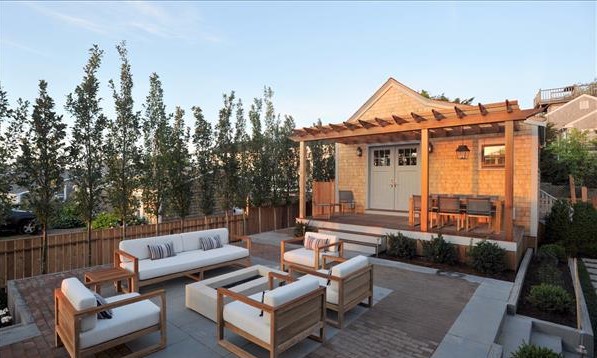
Building a coastal home on Nantucket requires more than just good design; it demands a deep understanding of the island’s unique architectural heritage and strict local regulations. You need a builder who knows how to balance modern living with Nantucket’s preservation guidelines to create a home that fits seamlessly into its coastal surroundings. Navigating the permitting process and adhering to zoning rules are essential steps that can significantly affect your timeline and budget.
Mercatus Builders specializes in custom home construction and historical restoration on Nantucket, ensuring every project honors the island’s character while offering contemporary comfort. Whether you’re planning a new coastal retreat or restoring a classic Nantucket cottage, expert craftsmanship and precise project management are crucial to meet the high demand for quality homes on the island and to protect your investment. Understanding the nuances of Nantucket’s building codes and preservation standards helps you avoid setbacks and build a home that stands the test of time.
Essential Planning for Building a Coastal Home on Nantucket
Building on Nantucket demands careful attention to local rules, site conditions, and realistic resource management. Understanding the island’s unique zoning laws, selecting a site that balances charm with practicality, and setting a budget aligned with Nantucket’s construction market are critical to success.
Navigating Zoning and Permits
Nantucket’s zoning landscape is strict and complex due to historical preservation and environmental concerns. Your first step is to review the Nantucket zoning bylaws applicable to your chosen parcel, especially if it lies within a historic district or conservation zone.
Key permit requirements include:
- Obtaining a Certificate of Appropriateness if your property is in a historic district
- Compliance with height, setback, and footprint restrictions
- Review by the Nantucket Historic District Commission
- Environmental permits if your build affects wetlands or coastal buffers
Working with a local expert, like Mercatus Builders, ensures your project aligns with Nantucket building codes and eases navigating the permitting process. Early engagement with town planning departments reduces unexpected delays.
Selecting the Perfect Location
Land on Nantucket is scarce and in high demand, so picking the right site is crucial. Consider these factors when evaluating properties:
| Factor | Details |
|---|---|
| Proximity to water | Balances coastal views with storm exposure |
| Topography | Slopes affect drainage and foundation needs |
| Access to utilities | Not all parcels have easy access on Nantucket |
| Historic district status | Impacts design restrictions and approvals |
Because building lots fill quickly, prioritize your needs early. A site that offers natural protection against coastal elements while allowing for classic Nantucket architecture supports long-term value. Mercatus Builders can assist in assessing parcels with these criteria in mind.
Establishing Budget and Timelines
Cost and timing on Nantucket differ significantly from mainland builds. Higher demand for materials, labor shortages, and regulatory steps all impact your budget and schedule.
To set effective plans:
- Account for premium pricing on locally sourced materials and skilled craftsmen
- Include contingency for permit delays or design modifications
- Plan for a longer timeline; coastal weather can affect construction calendars
- Factor in costs for meeting conservation regulations and historic compliance
Working with a Nantucket-focused builder helps manage expectations and keep your project on track. Clear, detailed budgets and timelines guide your decisions and avoid surprises during construction.
Schedule a consultation with Mercatus Builders to begin navigating these essential steps for your coastal home.
Nantucket Architectural Styles and Coastal Home Design
Building on Nantucket means embracing design elements that honor the island’s coastal environment and rich heritage. You will focus on authentic materials, distinctive exterior features, and integrating traditional charm with modern conveniences to create a home that respects local character and lifestyle.
Incorporating Nantucket Architecture
Nantucket architecture is defined by its simplicity and timeless appeal, rooted in New England’s colonial past. To incorporate this style, prioritize weathered cedar shingles—they age naturally to a silvery gray, blending seamlessly with Nantucket’s natural surroundings. Symmetry and clean lines are essential, often paired with white trim to frame windows and doors.
You should also consider classic elements like gambrel or gabled roofs, dormers, and covered porches. These features support both aesthetic and functional goals, offering shelter from coastal weather while maintaining visual balance. Work with a builder familiar with Nantucket zoning and historic guidelines to maintain compliance.
Key Exterior Features
Exterior details are crucial to any coastal home on Nantucket. Aside from cedar shingles, your choices should emphasize durability and island style:
- Shuttered windows: Traditionally functional, now mainly decorative, they add charm and depth.
- Cupolas or widow’s walks: Offer ventilation and a nautical accent.
- Stone or brick chimneys: Anchor the design with historic authenticity.
- White-painted trim and railings: Provide contrast against the muted shingle tones.
Landscaping should complement the architecture, using native plants to enhance the natural, wind-swept setting. Mercatus Builders can guide you through these selections while ensuring your home fits the island’s historic district standards.
Blending Tradition with Modern Functionality
While Nantucket homes emphasize historical style, your new build or restoration should not compromise on modern needs. Integrate energy-efficient windows and insulation discreetly to preserve exterior aesthetics. Inside, open floor plans and contemporary amenities create comfort without undermining coastal tradition.
Consider smart technologies and sustainable materials adapted to the local climate. Your design should anticipate both the island’s seasonal changes and lifestyle demands, such as easy indoor-outdoor flow for summer living.
Mercatus Builders specializes in weaving these elements into your project with deep respect for Nantucket’s architectural legacy and local building codes. They help you balance authentic design with today’s performance standards for lasting value.
Material Choices and Durability in Nantucket’s Coastal Climate
Building on Nantucket demands materials that endure salty air, high humidity, and shifting weather. Your choices must balance aesthetics with long-term performance, particularly when it comes to exterior cladding that fits the island’s historic character.
Choosing Cedar Shingles
Cedar shingles are the hallmark of Nantucket architecture for good reason. They provide natural resistance to moisture and pests, which is essential along the coast where salt and humidity accelerate decay. Initially, cedar shingles have a warm, reddish tone that gradually weathers to a soft silver-gray, blending seamlessly with the island’s natural palette.
When selecting shingles, prioritize premium grades of Western Red or Alaskan Yellow cedar due to their density and durability. Proper installation includes allowing shingles to breathe and proper ventilation behind the cladding to avoid trapped moisture. This care extends the lifespan and preserves the timeless look of your home.
Weathering and Maintenance Considerations
Weathered cedar shingles develop a signature silvery patina that not only honors Nantucket’s traditional aesthetic but also adds a protective layer to the wood. However, this natural aging process requires regular monitoring.
Inspect for signs of mildew, warping, or loose shingles annually, especially after winter storms. Maintenance often includes gentle cleaning with mild detergents and ensuring good drainage around the foundation. Avoid heavy paints or sealants that can trap moisture and lead to rot.
Mercatus Builders emphasizes using weather-resistant fasteners and maintaining proper roof overhangs to shield siding from the harshest elements. These steps help maintain durability while respecting Nantucket’s strict building codes and conservation principles.
Building Process and Working with Nantucket Professionals
Building on Nantucket requires careful coordination with local experts who understand the island’s unique environmental context and regulatory framework. You will engage with skilled builders, knowledgeable architects, and preservation authorities to navigate approvals and protect the historical character of your home.
Selecting Builders and Architects
Choosing a builder and architect experienced with Nantucket’s coastal environment is essential. Look for professionals familiar with the island’s zoning rules, storm resilience standards, and traditional Nantucket architecture styles.
Your builder should offer hands-on project management and quality craftsmanship, ensuring every detail harmonizes with local aesthetics. Mercatus Builders specializes in this blend, balancing historic preservation with modern comfort. Their team guides you from initial design through final construction, managing complexities like site constraints and resource access.
When selecting architects, prioritize those who integrate conservation principles with functional layouts. Collaborating closely with these professionals will help you achieve a home that respects Nantucket’s heritage while meeting your personal needs.
Managing Project Approvals
The permitting process on Nantucket involves multiple layers of review. You must submit detailed plans to the Nantucket Historic District Commission (HDC) early, as their guidelines cover materials, colors, and architectural elements.
Approval timelines can extend several months. To streamline this, prepare thorough documentation aligned with local design codes and zoning tips which address setbacks, height restrictions, and coastal setback requirements. Your construction team should maintain ongoing communication with HDC representatives to avoid delays.
Engaging a builder like Mercatus Builders, who has deep familiarity with Nantucket’s permitting process, can be a significant advantage. They help anticipate challenges and ensure compliance, so your build stays on schedule and within regulations.
Collaboration for Historical Preservation
Nantucket’s charm stems from its rich architectural history, making historical preservation a priority. You will work closely with preservation professionals to maintain this legacy while integrating modern systems.
Start by consulting local guidelines and consider using traditional materials and techniques that blend seamlessly with the island’s character. Sensitive renovations or new builds in historic areas often require custom solutions to respect existing streetscapes and vistas.
Effective collaboration means respecting the island’s built environment and working with experts committed to conservation. This process preserves Nantucket’s unique identity and adds enduring value to your coastal home.
Maintaining Your Nantucket Coastal Home
Your Nantucket coastal home requires consistent attention to withstand the island’s unique climate and weather. Taking proactive measures ensures your property retains its charm and structural integrity over time.
Seasonal and Long-Term Upkeep
Regular maintenance is essential due to Nantucket’s salty air, humidity, and temperature fluctuations. Inspect your roof, gutters, and exterior siding at least twice a year, ideally in spring and fall, to spot wear or damage.
Focus on maintaining historically appropriate materials, particularly if your home lies within Nantucket’s historic districts. Wood shingles and trim need treatment with protective coatings designed for coastal conditions. Check for signs of mold or rot near foundations and decks.
Plan long-term maintenance tasks like repainting every 5-7 years and replacing weathered wood elements before they compromise the structure. Engaging a Nantucket coastal construction expert familiar with local climate challenges will help preserve your home’s lasting value.
Storm Preparedness
Nantucket’s exposure to storms and high winds requires a clear storm readiness plan. Reinforce windows and doors with impact-resistant materials or shutters designed for coastal storms. Roof attachments and fasteners should meet or exceed Nantucket building codes for wind resistance.
Create a checklist including clearing debris from gutters, securing outdoor furniture, and storing loose items ahead of storm season. Have emergency supplies accessible and a reliable evacuation route planned.
Consult with Mercatus Builders to evaluate your home’s current storm resilience and schedule upgrades if necessary. Proper preparation can prevent costly damage during hurricane season or nor’easters.
Property Care Services
Ongoing property care involves routine inspections and timely repairs. Professional services that specialize in Nantucket homes can address unique coastal wear such as salt corrosion on metal fixtures and gradual wood degradation.
Establish relationships with contractors experienced in Nantucket zoning tips and historic district regulations to ensure all work complies fully. For large-scale restoration or custom home upkeep, you want a team with hands-on project management to coordinate permits and conservation requirements.
Mercatus Builders offers comprehensive maintenance plans tailored to Nantucket properties, balancing preservation with modern comfort. Their expertise helps protect your investment and maintain your home’s authentic coastal character.
Frequently Asked Questions
Building on Nantucket requires careful attention to local requirements and the island’s unique environment. Your coastal home must balance design integrity, durability against weather, and adherence to preservation guidelines.
What are the building regulations for constructing a coastal home on Nantucket?
You must comply with Nantucket’s strict zoning rules and historic district regulations. Permits are required for nearly every stage, involving thorough review by town planners and preservation bodies.
Building codes mandate setbacks from dunes and wetlands to protect natural resources. Working with a local expert like Mercatus Builders ensures your project meets both environmental standards and aesthetic guidelines.
How does Nantucket’s climate influence coastal home design and materials?
Nantucket’s harsh salt air, strong winds, and humid summers demand resilient materials. Cedar shingles and painted wood trim are traditional choices that resist salt corrosion and allow the home to breathe.
Your design should prioritize storm-ready construction techniques, such as reinforced framing and elevated foundations, to withstand seasonal storms and potential flooding.
What are the typical features of a Nantucket-style house interior and exterior?
Outside, expect wood shingles weathered naturally to a soft gray, multi-paned windows, and simple, clean lines. Exterior colors often include whites, creams, and muted blues in harmony with the coastal landscape.
Inside, you’ll find open, airy rooms with natural light, wide plank floors, classic trim, built-in storage, and a fireplace as a central feature. The style emphasizes comfort, function, and understated elegance.
How can one integrate Nantucket’s traditional design elements into modern coastal home decor?
Incorporate natural textures like linen and sisal and colors drawn from sea and sand to create a seamless blend. Use reclaimed wood or vintage furnishings alongside contemporary pieces for balance.
Maintain simplicity in ornamentation but add modern amenities unobtrusively. This approach respects the island’s architectural heritage while meeting your lifestyle needs.
What steps should be taken to ensure a new coastal home on Nantucket is environmentally sustainable?
Select locally sourced materials and energy-efficient systems to reduce your home’s footprint. Design for passive solar gain and use high-performance windows to improve insulation.
Work with builders experienced in green practices — Mercatus Builders, for example, incorporate sustainable strategies without compromising Nantucket’s historic character.
What are the challenges and considerations when selecting a property for a coastal home on Nantucket?
You must evaluate flood zones, dune preservation, and proximity to shorelines that may limit building footprints. Accessibility to utilities and roadways is often constrained on the island.
Expect extended permitting timelines due to the scrutiny on environmental impact and historic context. Choosing a site with thoughtful guidance ensures your investment aligns with both regulations and your vision.