Best Window Options for Nantucket Coastal Houses: Durable Styles for Harsh Marine Environments
September 7th, 2025 | by mercatus_edits | Posted in Uncategorized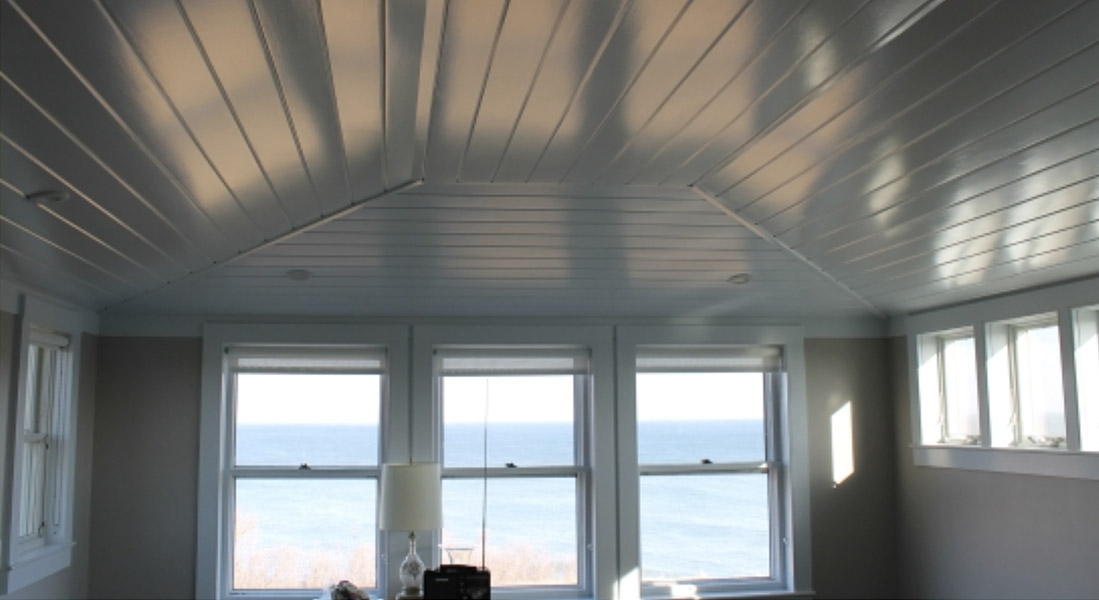
When selecting windows for your Nantucket coastal home, durability and style must work hand-in-hand to withstand the island’s unique weather conditions while honoring its architectural heritage. The best window options combine materials and designs that resist salt air, high winds, and moisture without compromising the timeless aesthetic that defines Nantucket’s historic charm. Thoughtful choices ensure your windows enhance both the comfort and value of your home.
Your windows should align with Nantucket building codes and historic district regulations, which prioritize preservation alongside modern performance. As a Nantucket design-build firm, Mercatus Builders understands these complexities and can guide you toward options that respect local zoning while fulfilling your vision for a coastal retreat that balances tradition and innovation.
Choosing the right style—from classic double-hung to casement or picture windows—can impact ventilation, natural light, and the panoramic views unique to your location. With careful consideration of materials such as fiberglass or vinyl clad wood, you protect your investment without sacrificing elegance. Your windows should serve as a seamless connection between the interior comfort and Nantucket’s captivating seaside environment.
Essential Criteria for Nantucket Coastal Window Selection
Selecting windows for a Nantucket coastal home requires careful attention to factors that ensure lasting performance and comfort. Your choices must address environmental challenges unique to the island while maintaining energy efficiency and protection. The following key criteria guide you in making informed decisions.
Weather Resistance and Durability
Nantucket’s coastal environment exposes your windows to salt spray, high humidity, and frequent storms. You need materials that resist corrosion and deterioration over time. Fiberglass and vinyl frames are preferred due to their resistance to warping and rust compared to traditional wood or aluminum.
Glass options should offer protective coatings to reduce salt damage and minimize wear from UV rays. Proper sealing and quality installation are vital to prevent moisture intrusion, which can cause drafts or structural damage. Prioritizing weather-resistant windows also helps you comply with Nantucket building codes and historic district guidelines, safeguarding both your investment and the island’s character.
Protection Against Strong Winds and Impact
The island often faces intense wind events, making impact resistance non-negotiable. You should look for windows with laminated impact-resistant glass, designed to withstand flying debris from storms without shattering. Frames must be reinforced to meet local wind-load requirements.
Impact windows also improve safety and reduce insurance premiums. Pay attention to certification standards such as ASTM or Miami-Dade approval when choosing your products. Working with a Nantucket coastal construction expert ensures your window system meets both structural demands and aesthetic expectations, balancing security with the island’s traditional style.
Energy Efficiency and Insulation
Energy-efficient windows help maintain comfortable indoor temperatures year-round while reducing heating and cooling costs. Look for multi-pane glass with inert gas fills like argon, combined with Low-E coatings, which reflect infrared heat and limit solar gain.
Proper insulation around frames and precision installation prevent air leaks, which are common weak points in coastal homes. Selecting the right energy-efficient windows can also align with Nantucket’s strict energy codes and community standards. Your windows should contribute meaningfully to your home’s sustainability without compromising on the charm and historical integrity Mercatus Builders upholds in every project.
Schedule a consultation to start designing windows that protect, perform, and preserve the unique Nantucket coastal lifestyle.
Optimal Window Materials for Coastal Environments
Selecting window materials for Nantucket’s coastal climate demands careful attention to durability, resistance to corrosion, and maintenance needs. You need options that withstand salty air, high humidity, and temperature fluctuations without compromising style or energy efficiency.
Advantages of Vinyl Window Frames
Vinyl window frames are highly resistant to moisture and salty air, making them well-suited for Nantucket’s coastal conditions. They resist warping, cracking, and corrosion, requiring minimal upkeep over time. This durability paired with relatively low cost makes vinyl a practical choice for many coastal homes.
Vinyl frames offer good thermal insulation, helping to improve energy efficiency year-round. Their smooth surface also simplifies cleaning and reduces the risk of mold—a common concern in humid environments. If you want windows that combine low maintenance with solid performance, vinyl frames are an excellent option.
Mercatus Builders often recommends vinyl for coastal projects where preserving historic charm aligns with modern resilience.
Comparing Fiberglass and Aluminum Windows
Fiberglass windows provide superior strength and thermal performance. Because they expand and contract very little with temperature changes, fiberglass frames maintain tight seals longer, reducing drafts and energy loss. Their non-porous surface resists salt corrosion far better than aluminum.
Aluminum windows, while lighter and more affordable initially, are prone to corrosion over time when exposed to salt air unless treated with special coatings. Modern aluminum frames with thermal breaks improve energy efficiency but still require more maintenance than fiberglass.
For Nantucket homes balancing longevity and historic aesthetic, fiberglass windows offer a robust, low-maintenance solution that aligns well with the strict preservation guidelines you must follow.
Challenges of Wood Windows in High Humidity
Wood windows have a classic appeal fitting Nantucket’s architectural heritage but face significant challenges in coastal environments. High humidity and salt exposure accelerate wood deterioration, causing swelling, rot, and paint failure. This demands regular upkeep including sanding, sealing, and repainting.
If you prefer the warmth and authenticity of wood, consider clad wood options where aluminum or vinyl protects the exterior while maintaining wood interiors. This hybrid approach preserves the traditional look while mitigating coastal weather damage.
For historic restorations, Mercatus Builders emphasizes wood’s value but advises rigorous maintenance plans to protect these windows from Nantucket’s demanding coastal atmosphere.
Best Window Styles for Nantucket Homes
Choosing the right windows for your Nantucket coastal home means balancing ventilation, weather resistance, and architectural authenticity. Your window style should enhance natural airflow and block harsh coastal elements while respecting the island’s historic character.
Casement Windows for Ventilation
Casement windows are a preferred choice for Nantucket homes due to their excellent ventilation capabilities. Hinged on one side, they open fully outward, allowing maximum airflow that helps cool your home naturally in humid coastal conditions.
Their tight seal when closed enhances energy efficiency by reducing drafts and moisture infiltration—essential for island living. Casement windows also offer unobstructed views, letting you capture Nantucket’s scenic marshes or oceanfront.
When selecting casement windows, consider durable materials like fiberglass or marine-grade wood, which withstand salt air. This style aligns with traditional Nantucket architecture, complementing both historic cottages and modern coastal retreats.
Awning Windows and Weather Protection
Awning windows hinge at the top and open outward, creating a shield-like effect that protects against rain while still allowing ventilation. This makes them ideal for the variable coastal weather you experience year-round.
Their design maintains airflow even during light rain, a key benefit for preserving indoor comfort on Nantucket. They also fit well beneath larger fixed picture windows, which are popular for framing coastal views without compromising protection.
For your build or restoration, awning windows provide functional benefits and aesthetic consistency. At Mercatus Builders, we emphasize using styles that blend durability with the island’s zoning and preservation requirements, ensuring your windows perform well without sacrificing character.
Upgrading Glass Technologies for Coastal Performance
Selecting windows for Nantucket’s coastal environment demands materials that enhance energy efficiency and withstand severe weather. Modern glass options improve insulation, reduce UV damage, and protect your home from storm impacts.
Benefits of Low-E Glass
Low-E glass is coated to reflect infrared light while allowing natural light inside. This reduces heat transfer, keeping your home cooler in summer and warmer in winter. On Nantucket, where temperature swings can be significant, this improves indoor comfort and lowers energy costs.
The coating also blocks a large portion of harmful UV rays, protecting your interiors from fading. This is especially important for historic homes where preserving rich wood tones, fabrics, and finishes is a priority.
Low-E glass integrates well with multi-pane window systems, adding another layer of insulation. For homeowners working with a Nantucket design-build firm like Mercatus Builders, this technology can complement traditional aesthetics without compromise.
Choosing Impact-Resistant Glass
Impact-resistant glass is essential in coastal areas due to high winds and flying debris from storms. It typically consists of two panes of tempered glass bonded by a strong polymer interlayer. This construction prevents shattering, providing safety and security.
Beyond durability, impact glass enhances sound insulation and adds energy efficiency, often meeting local building codes that require increased structural performance. Choosing the right impact glass will help your home meet Nantucket zoning tips and withstand the island’s coastal storms.
When considering replacements or custom windows for Nantucket historical home restoration, select glass types meeting or exceeding coast-specific certifications. Your coastal construction expert should ensure the windows contribute both to protection and the refined character of your home.
Ensuring Longevity With Proper Replacement and Maintenance
Replacing windows in a coastal environment requires careful attention to materials, installation, and ongoing care to combat salt air, moisture, and harsh weather. Choosing the right window frames and adopting consistent maintenance practices will preserve both function and aesthetic over time.
Tips for Successful Replacement Windows
Opt for materials specifically resistant to coastal conditions, such as vinyl or aluminum frames, which stand up well to salt corrosion and moisture. Wood windows are elegant but demand more upkeep and protection against rot and warping.
Precision in installation is critical to prevent water infiltration and air leaks. Proper flashing, sealing, and alignment ensure durability and maintain energy efficiency. Engaging a Nantucket design-build firm like Mercatus Builders guarantees compliance with local building codes and historical district guidelines.
Prioritize double- or triple-pane glass with low-E coatings to reduce heat transfer. This improves comfort and lowers energy costs year-round. Confirm your replacement windows have warranties covering coastal-specific deterioration.
Maintenance Practices for Coastal Windows
Regular cleaning removes salt deposits and prevents mineral buildup that can degrade seals and hardware. Use gentle, non-abrasive cleaners and rinse thoroughly.
Inspect window seals, weatherstripping, and frames seasonally to catch early signs of damage or deterioration. Replace worn components to maintain airtightness and structural integrity.
For wood frames, maintain protective finishes by sanding and repainting or staining every few years. Aluminum and vinyl frames require less frequent but still consistent inspection to avoid corrosion spots.
Routine lubrication of hinges and locks ensures smooth operation despite the salty environment. Knowing when to call a professional can preserve window function and appearance without costly repairs.
Schedule a consultation with Mercatus Builders for replacement windows and maintenance advice tailored to Nantucket’s unique coastal challenges.
Frequently Asked Questions
Choosing windows and doors for Nantucket’s coastal environment involves careful material selection, design, and maintenance to ensure durability against salt air, wind, and humidity. Understanding specific benefits like impact resistance and the compatibility of materials with local climate and building codes is essential.
What materials are best suited for windows in coastal environments?
Aluminum, fiberglass, and vinyl are commonly recommended for coastal windows due to their resistance to corrosion and low maintenance needs. Fiberglass is especially durable, handling temperature fluctuations without warping or cracking. Aluminum with proper coatings can also withstand salt air when maintained correctly.
How do impact-resistant windows benefit homes in hurricane-prone areas?
Impact-resistant windows protect your home from flying debris and high winds during storms, reducing the risk of damage. They help maintain structural integrity and can improve energy efficiency by sealing tightly against air and water infiltration. This added security is crucial on Nantucket given its exposure to nor’easters and hurricanes.
What are the advantages of fiberglass windows in a beachfront property?
Fiberglass windows offer superior strength and dimensional stability in humid, salty conditions. They do not swell or shrink like wood and support larger glass panes for expansive ocean views. Their long lifespan and minimal upkeep make them a smart choice for homes aiming for both aesthetics and performance.
Are there specific window designs that are recommended for houses in Nantucket?
Casement and bay windows are popular for maximizing ventilation and capturing coastal views, aligning with Nantucket’s architectural traditions. Large, unobstructed panes enhance natural light and a seamless connection to the outdoors while respecting the island’s historic style. Choosing designs that balance openness with functionality supports both comfort and curb appeal.
What maintenance considerations should be taken into account for coastal windows and doors?
Regular washing to remove salt deposits is necessary to prevent corrosion and staining. Lubricate hardware and inspect seals annually to maintain airtightness and smooth operation. Fiberglass and aluminum require less frequent upkeep than wood, which needs protective coatings to resist decay in coastal conditions.
How do exterior door materials perform in Nantucket’s coastal climate?
Fiberglass and aluminum doors resist moisture and salt damage better than traditional wood, which may require ongoing treatments to prevent warping. Properly finished doors with durable hardware ensure longevity and security. Choosing materials aligned with Nantucket’s climate supports the preservation of your home’s exterior and overall energy efficiency.
Schedule a consultation to start your Nantucket build with expertise in custom home solutions and historic preservation. Mercatus Builders specializes in coastal construction, blending craftsmanship with the island’s unique architectural heritage.